Whistler is the Sea to Sky destination most visitors and Vancouver locals think of first. It sits about 125 kilometres north of downtown Vancouver, and the trip can be a daylong sightseeing loop, a winter ski weekend, or a summer base for hiking and lakes. The choice is rarely about whether Whistler is worth it. It is about how to get there, when to go, what to do, and whether to stay overnight or come back the same day.
This guide is written for readers planning that trip from Vancouver, whether you have just landed at YVR with a rental booked, you are based in a downtown hotel without a car, or you live in Metro Vancouver. The aim is to make the practical decisions easier, name the official sources to check before you go, and flag the mistakes that turn an easy mountain trip into a long, expensive day.
Quick answer: how to plan a Vancouver to Whistler trip
Vancouver to Whistler is about 125 km (78 miles) along the Sea to Sky Highway, roughly a two-hour drive in good conditions. Driving is the most flexible option if you are comfortable on a coastal mountain highway. A scheduled shuttle or coach is the easiest option without a car, with several operators running year-round. A day trip works for sightseeing, the gondola, or a village walk, but overnight is better for skiing, a relaxed summer day on the lakes, or anything needing an early start. First-time visitors should base in Whistler Village, which concentrates lodging, food, transit, and lifts within walking distance.
Where Whistler is and why the trip takes the time it does
Whistler sits in the Coast Mountains, in the Resort Municipality of Whistler, north of Squamish and well past Howe Sound. From downtown Vancouver, the road distance is roughly 125 kilometres along Highway 99, the Sea to Sky Highway. The drive is signposted as about two hours in good conditions, but in practice it takes longer almost every weekend, longer on a sunny Saturday morning or a snow day, and much longer after a corridor incident. The highway is two lanes for most of its length, with passing lanes that cannot absorb a closure.
Squamish sits roughly halfway and works as a midway stop, a cheaper base, or a destination of its own. The road north of Squamish climbs steadily, with weather points where conditions shift quickly. Treat any search-result drive time as a baseline, then add buffer for the day and season.
The main ways to get from Vancouver to Whistler
Five practical options, plus one that exists in theory. The right choice depends on whether you have a car, your timing flexibility, the season, and how much luggage or ski gear you carry.
- Drive yourself. Most flexible. Best if you want to stop along the way, you are travelling with a family or a lot of gear, or you plan to leave the village during your stay. Requires winter-driving comfort in season.
- Scheduled shuttle or coach from downtown Vancouver. Easiest without a car. Several operators run daily, year-round, between downtown pickup points and Whistler Village.
- Shuttle from YVR Airport. Direct from the airport for travellers who do not want to transfer through downtown first. Worth it if you are heading straight to the resort on arrival.
- Private transfer or chartered van. Useful for groups, late arrivals, or door-to-door service with luggage and gear.
- Rideshare or carpool. Sometimes available informally. Treat it as a fallback, not a primary plan.
- Train. No regular passenger rail between Vancouver and Whistler. Past tourist rail trips are not a substitute for transport on a typical itinerary.
Driving from Vancouver to Whistler on the Sea to Sky
Highway 99 was rebuilt and widened in the years before the 2010 Olympics and is a much better road than it was. It is still a coastal mountain highway, with curves, ocean views past Horseshoe Bay, climbs into the Coast Mountains, occasional rockfall closures, and winter weather shifts between Squamish and Whistler. Weekend morning northbound traffic builds noticeably from the West Vancouver entrance, and Sunday afternoon southbound traffic can sit for an hour or more after an incident.
In winter, BC law requires winter tires or chains on most highways in the province from October 1 to April 30, and the Sea to Sky is one of the designated routes. That means M+S rated tires at minimum and three-peak mountain snowflake tires in many situations, even on cars that handle dry pavement easily. The provincial guidance is published on the BC government winter driving page and the Shift Into Winter safety campaign. Before any winter drive, check live road conditions on DriveBC and search for Highway 99 events. If you are not comfortable with winter mountain driving, take a shuttle instead. The corridor is not the place to learn.
Parking in Whistler Village is mostly in paid day lots, with some free overnight options at outlying lots that fill quickly during peak weekends. Hotels charge separate parking rates on top of room rates, often not included in the base price. Confirm parking with your hotel before you arrive, and budget for day-lot rates if you are visiting without a booking.
Shuttle and bus options between Vancouver and Whistler
Several private operators run scheduled coach and shuttle service between Vancouver, YVR, and Whistler. The two with the broadest year-round coverage are Epic Rides, which runs scheduled coach trips between downtown Vancouver, YVR, and Whistler, and Whistler Shuttle, which focuses on YVR-to-Whistler shared and private transfers. Seasonal operators and weekend ski shuttles also run in winter. Most shuttle and coach services meet passengers at the Whistler Gateway Loop, next to the Whistler Visitor Centre. A few operators also stop at Creekside Village, further down the highway. Pickup points on the Vancouver side vary by operator: Epic Rides departs from near Burrard Station downtown, and some services pick up directly from YVR. Schedules, prices, and pickup points change, so confirm the current schedule, pickup point, and luggage or ski gear rules with the operator before you book.
A scheduled coach is the easiest option if you do not have a car and can work within fixed departure times. It removes winter driving from the equation, and on a Sunday afternoon when the highway is slow, sitting in a coach is much less stressful than driving it. A private transfer is the better choice for late arrivals, larger groups, or anyone carrying ski gear that does not fit a typical luggage allowance. The Tourism Whistler visitor site maintains a current list of operators if you want to compare beyond the two named above.
Getting to Whistler from YVR Airport
Two patterns work if you are flying in and heading straight to Whistler. The cleanest is a shared or private shuttle that picks up at YVR and drives directly to Whistler, which avoids a downtown transfer and suits late afternoon arrivals. The alternative is YVR to a downtown hotel first, then a scheduled morning coach the next day. That option is often cheaper and lets you start the drive rested.
Renting a car at YVR is the third option, and the right pick if you want full flexibility or plan to drive elsewhere in BC during the same trip. The on-airport rental facility is connected to the main terminal. Confirm winter tires are fitted in season before leaving the lot, because not every rental comes equipped by default; see our winter tire requirements guide for the exact dates, fines, and what counts as compliant. For airport-to-downtown logistics, our YVR to downtown Vancouver guide covers the Canada Line, taxi, rideshare, and rental options.
Day trip versus overnight: which one fits the trip
A day trip works for specific plans: the drive itself, a Village walk, a meal, the Valley Trail, the Peak 2 Peak Gondola in summer, or a short hike around Lost Lake. Sightseeing trips that include Shannon Falls or the Sea to Sky Gondola in Squamish also fit a day if you keep moving. For a closer look at when a day trip makes sense versus when it does not, see our full breakdown of whether Whistler is worth a day trip from Vancouver.
Overnight is better for almost everything else. A ski day is short. If you drive up in the morning, rent gear, buy a lift ticket, and drive back the same evening, you will be exhausted and pay full freight for a partial mountain day. Spas, longer summer hikes, relaxed dinners, and any early-start activity all argue for a night. Two nights is the sweet spot for a first visit because it gives one full activity day with arrival and departure days as buffers.
What to do in Whistler
Whistler is built around skiing and snowboarding, but the year-round resort has more durable depth than the winter brochure suggests. The list below covers what most visitors actually use.
- Whistler Village. Pedestrian-only core, walkable end to end, with lodging, restaurants, gear rentals, transit stops, and most ski-lift access. The right base for first-time visitors.
- Lost Lake. Short walk or transit ride from the Village. Swimming dock in summer, cross-country skiing and snowshoeing in winter, and quiet forest trails year-round.
- Valley Trail. Paved multi-use trail that connects much of the resort. Good for walking, cycling, or running between the Village and the surrounding neighbourhoods without dealing with traffic.
- Lakes in summer. Alta Lake, Green Lake, and Lost Lake are the most accessible. Bring a towel and water shoes. Lake access points and parking change in shoulder season, so confirm before you go.
- Spa time. Several outdoor and indoor spa options exist in the resort area. Confirm hours, age limits, and booking requirements in advance, especially on weekends.
- Village food and casual time. Lunch in the Village is the most reliable meal of the day for most visitors. Dinner books up on weekends and during peak winter. Reserve ahead.
Whistler Blackcomb: what it is and what to do there
Whistler Blackcomb is the resort that runs the lifts, the bike park, and the sightseeing operations on Whistler Mountain and Blackcomb Mountain. The two mountains are connected by the Peak 2 Peak Gondola and operated as a single resort under Vail Resorts, covering the largest skiable terrain in North America. Lift base areas are at Whistler Village, Creekside (both on Whistler Mountain), and the Upper Village (on Blackcomb). Most first-time visitors use the Village base.
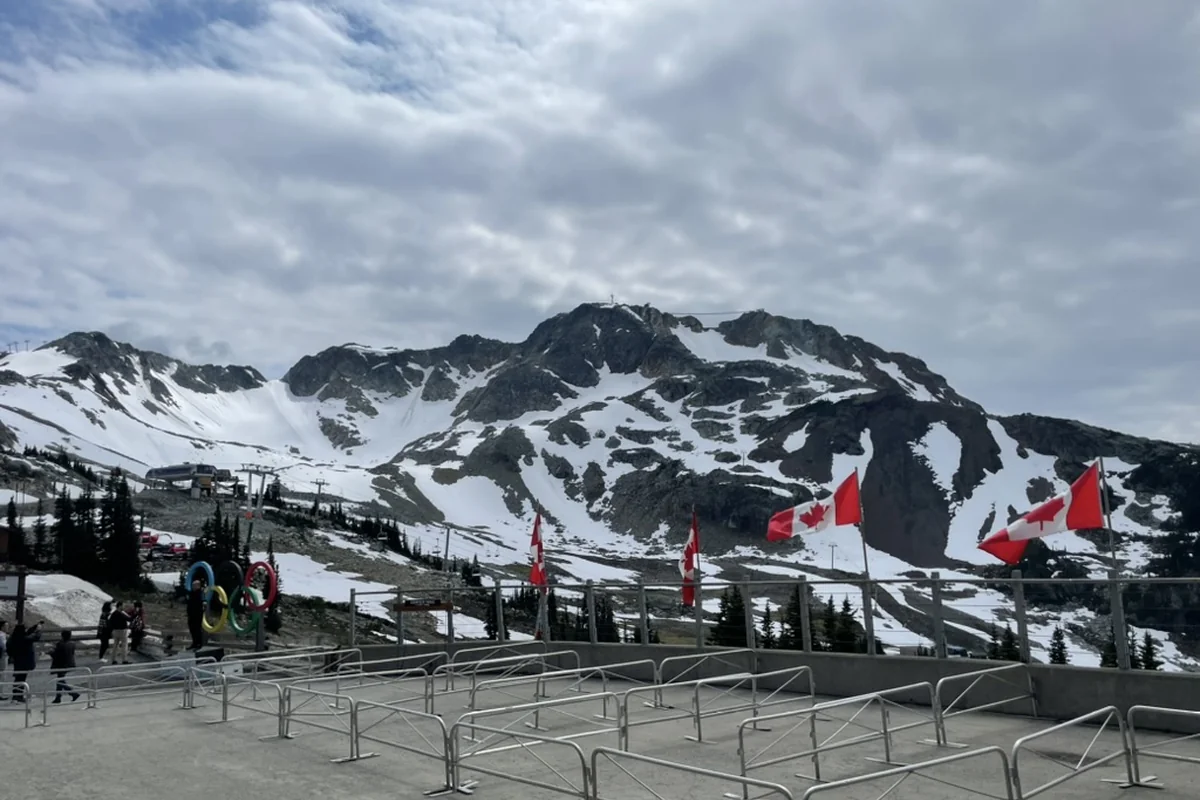
In winter, the main activity is skiing or snowboarding. A day lift ticket gives access to both mountains and the Peak 2 Peak Gondola. Multi-day tickets, season passes (the Epic Pass family), and resident products such as the Edge Card are sold through the resort. Buy tickets and passes through the official Whistler Blackcomb site rather than third parties, because pricing is dynamic and the resort site is the only reliable source for current rates and product rules. Rentals and lessons book through the same channel.
Non-skiers have real options here. The Peak 2 Peak Gondola runs in both winter and summer for sightseeing visitors, with glass-bottom cabins in rotation. Hours, operating dates, and current tickets are listed on the Peak 2 Peak page. In summer, the resort runs an alpine sightseeing experience with lift-served walking trails near the top of Whistler Mountain, plus the Whistler Mountain Bike Park for downhill riders and the cross-country network in the valley.
First-time skiers should start with a lesson at the resort ski school and rent gear in the Village. First-time sightseers should plan the Peak 2 Peak round trip with a short walk at the top as a reliable two-hour outing. Skiing typically runs late November through mid-spring, with Blackcomb glacier skiing extending into summer in some years. Confirm operating dates on the resort site before you commit.
Whistler in winter
Winter is the headline season. Skiing and snowboarding are the obvious draw, but Whistler in winter is also strong for snowshoeing, cross-country skiing at Lost Lake, evening Village walks, and slow weekends with a mountain view. If you are not skiing, the village atmosphere and gondola are reasons enough. Book hotels and gear early for the December-to-March window, when peak weekends, holiday weeks, and BC school breaks fill the corridor.
Plan winter trips around the weather. Snowstorms can close the highway briefly, and drive times stretch even when the road is open. Check DriveBC the morning of departure, and again before you leave Whistler.
Whistler in summer
Summer is the underrated half of the year for Vancouver-based visitors. Once the snow melts off the lower mountain, Whistler turns into a hiking, biking, and lakes destination. Day trips are easier than in winter because the drive is faster and there is more daylight. Strong picks for a first summer trip: a half-day at a lake, a Peak 2 Peak ride, a Valley Trail walk or cycle, and a sit-down Village dinner.
Shoulder seasons of late spring and early fall are quieter and cheaper. Some lifts and activities switch between summer and winter modes during these windows, so confirm what is actually open for your dates.
Where to stay in Whistler
Picking a base in Whistler is mostly about how close you want to be to the lifts and the Village core, and how much you are willing to trade off for a lower nightly rate. The resort is laid out as a series of distinct neighbourhoods, and the choice matters more than first-time visitors expect.
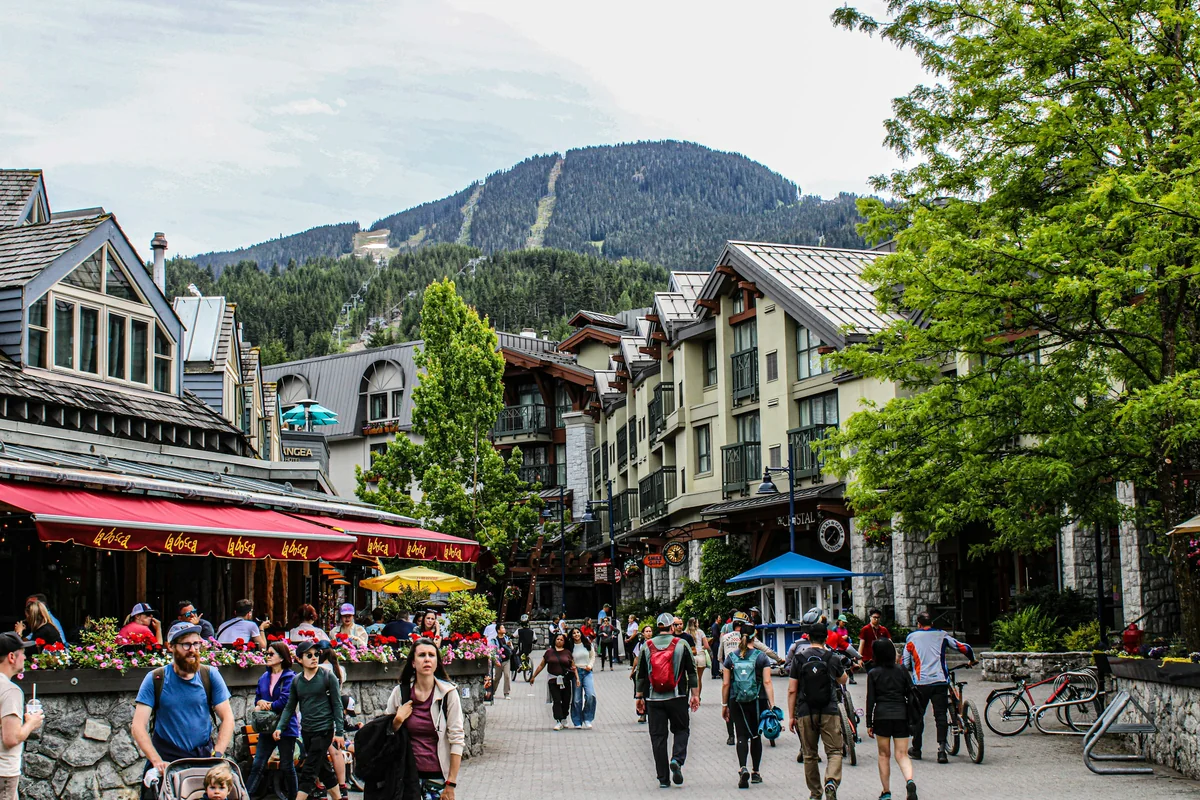
- Whistler Village. The pedestrian core. Highest concentration of hotels, restaurants, rentals, and lifts within a few minutes on foot. Best for first-time visitors and anyone who wants to skip the car after arrival.
- Village North. A short walk from the Village core, slightly quieter, with its own hotels and restaurants. A good price compromise without losing walkability.
- Upper Village. At the base of Blackcomb. Closer to the Blackcomb base lifts than the main Village. Quieter evenings, good for skiers spending most days on Blackcomb.
- Creekside. South of the Village on Highway 99, with its own gondola onto Whistler Mountain. Often more reasonably priced, but you will drive or take transit for Village evenings.
- Function Junction and outlying neighbourhoods. Further south, with practical services and lower nightly rates. Best for travellers with a car who do not plan to spend evenings in the Village.
- Squamish. A cheaper base if you commute up to Whistler for activities. The trade-off is roughly 45 minutes each way on the Sea to Sky, and less of the Village atmosphere.
Hotel types range from full-service resorts and condo-style stays to ski-in or ski-out properties at the lift bases. Family travellers often do better in a condo unit with a kitchen and a separate bedroom than in a single hotel room. Ski-in or ski-out access sounds simple but costs noticeably more, and the time savings only matter for multi-day ski trips. Book directly through hotel sites when possible, because cancellation flexibility is usually better and you avoid the markup some platforms apply during peak periods. If you are weighing whether to base in Vancouver instead and day-trip from there, our Vancouver luxury hotels guide covers the strong city-side options.
How many days you need in Whistler
- One day. Enough for a Village walk, a gondola ride, a meal, and a single short activity such as Lost Lake or part of the Valley Trail. Works in summer. Tight in winter because of shorter daylight and winter driving.
- One night. Adds a full activity day in the middle, which is enough for a single ski day or a longer summer hike. Drive up Friday after work in winter and you will pay for it in traffic, so leave earlier if possible.
- Two nights. The sweet spot for first-time visitors. One full activity day in the middle, with arrival and departure days as buffer. Enough time to enjoy at least one relaxed evening in the Village.
- Three or more nights. Right for ski weekends, summer hiking-and-biking trips, and anyone who wants to mix in a spa day. The marginal cost of each added night drops because you have already paid for transport.
Sample itineraries
Vancouver to Whistler day trip without skiing
Leave Vancouver by 8 am to clear the worst of the West Vancouver traffic. Stop briefly at Shannon Falls or in Squamish if the timing fits. Arrive in Whistler late morning. Walk the Village, ride the Peak 2 Peak Gondola, eat lunch on a patio, and walk part of the Valley Trail or Lost Lake. Leave by mid to late afternoon on a weekend to avoid the Sunday southbound build-up.
One-night Whistler trip
Drive or shuttle up Friday after lunch rather than after work, if possible. Check in, walk the Village, eat a relaxed dinner with a reservation. Saturday is your full activity day: ski, hike, bike, or a combination, with a second Village meal in the evening. Sunday morning, a final walk or coffee, check out by mid-morning, and start south early enough to clear afternoon traffic.
Winter ski weekend
Book lift tickets and lodging at least several weeks ahead in peak season. Arrive Friday night with gear loaded. Saturday and Sunday on the mountain, with a Saturday evening dinner in the Village. Check DriveBC and the weather Sunday morning, leave early if a storm is forecast, and expect the southbound drive may take longer than usual.
Summer first-time visitor plan
Two nights in Whistler Village. Day one: arrive late morning, lunch, Peak 2 Peak Gondola, short hike near the top, Village dinner. Day two: morning at a lake, Valley Trail cycle or walk, optional spa, casual dinner. Day three: short walk, brunch, drive south by early afternoon. Pair with a Vancouver food day using our Vancouver food and drink areas guide.
What costs money on a Whistler trip
Whistler is not an inexpensive trip. Lift, sightseeing, parking, food, and rental pricing all change by date, season, age, and product. Use the official Whistler Blackcomb ticket page for current lift, sightseeing, rental, and lesson pricing, and the official parking page for current rates. The categories below say what to budget for, not what to expect to pay.
- Sightseeing tickets and Peak 2 Peak access. Non-skier sightseeing tickets give gondola and Peak 2 Peak access. Pricing varies by season and age. Check the Peak 2 Peak page linked above.
- Lift tickets for skiing and snowboarding. Day tickets, multi-day passes, and the Epic Pass season-pass family are sold through Whistler Blackcomb. Pricing is dynamic. Book in advance and buy direct, not through resellers.
- Rentals and lessons. Ski, snowboard, and bike rentals are widely available in the Village and at the lift bases. Group and private lessons book through the resort ski school. Reserve gear in peak season.
- Parking. Most Whistler Village day lots are paid, with some free overnight options at outlying lots that fill on peak weekends. The Resort Municipality of Whistler publishes current rates and lot maps on the official Whistler parking page. Hotel parking is usually a separate charge on top of the room rate.
- Food and drinks. Restaurant prices run higher than central Vancouver, on-mountain prices higher still. Save by eating lunch in the Village and by booking a unit with a kitchen for at least one meal a day.
- Hotels. Rates swing with the season. Winter holiday weeks, BC school breaks, and event weekends are the most expensive windows. Book directly through hotel sites for cancellation flexibility.
- Transport from Vancouver or YVR. Coach, shuttle, and private transfer rates differ by operator, season, and group size. Driving substitutes fuel and parking for shuttle fare, plus winter tire requirements in season.
What costs little or nothing: walking the Village, browsing shops, walking the Valley Trail, and visiting accessible lake points such as Lost Lake in summer (parking fees may apply). A Vancouver visitor can have a reasonable day in Whistler without buying a lift or sightseeing ticket, which is also the cheapest way to decide whether a longer trip is worth it.
Visiting Whistler without a car
Whistler without a car works well if you base in the Village and accept that some stops outside the core will take longer. The Village itself is pedestrian-only and walkable end to end. Lifts, gear rental, restaurants, and most activity bookings are within walking distance of the main hotels. For trips beyond the Village, local bus service runs through the resort under BC Transit’s Whistler service, with routes connecting the Village, Lost Lake, Creekside, Function Junction, and outlying neighbourhoods. Routes and schedules change seasonally. Confirm the current timetable on the BC Transit page before you rely on it for a specific trip.
Without a car, get to Whistler on a scheduled coach or shuttle, then move around the resort on foot and on local transit. Plan ahead for activities outside the Village, like some lake access points or specific trailheads, because local bus headways are thinner than a Metro Vancouver transit corridor. For transit-based options on the Vancouver end, our Metro Vancouver parks by transit guide covers car-free trips around the city.
Common mistakes to avoid
- Underestimating winter driving. The Sea to Sky in a January snowstorm is a different road than in July. If you are not comfortable with winter mountain conditions, take a shuttle.
- Leaving too late for a day trip. A 10 am Vancouver departure on a sunny Saturday turns into a slow morning on the highway and a short afternoon in Whistler.
- Assuming Whistler is cheap. Build a realistic budget that includes lift tickets, hotel parking, dinner, and incidentals.
- Booking far from the Village without a transport plan. Cheaper lodging only works if you have a plan for getting to and from the lifts and restaurants.
- Skipping the road and weather check. Check DriveBC and the weather the morning of any winter trip.
- Trying to do too much in one day. One activity, a meal, and a Village walk make a strong day. Three activities make a stressful one.
- Trusting an old shuttle schedule. Schedules, pickup points, and operators change. Confirm with the operator before you travel.
Whistler versus Squamish versus North Vancouver
Whistler is the right choice for the full mountain-resort experience, with skiing on the largest connected terrain in North America, the Village atmosphere, and a base for multi-day trips. The trade-off is cost, drive time, and winter highway exposure. Squamish sits halfway and is a strong outdoor base for hiking, climbing at the Stawamus Chief, mountain biking, and the Sea to Sky Gondola. Lodging is usually cheaper.
North Vancouver is the better day-trip choice if you want a mountain feel without the Sea to Sky drive. Capilano, Lynn Canyon, Grouse Mountain, and the broader trail network are reachable from downtown in well under an hour. Our North Shore guide and the Lynn Canyon day-trip guide cover that option. For a different scale of trip, our Vancouver Island guide covers the other main direction Vancouver visitors head, and the weekend Metro Vancouver visitor guide ties the broader options together.
FAQ
How long does it take to get from Vancouver to Whistler?
About two hours in good conditions for the 125-kilometre drive on Highway 99. Add buffer for weekend traffic and winter weather. Sunday afternoons southbound are the slowest predictable window.
Can you go to Whistler without a car?
Yes. Scheduled coach and shuttle services run between Vancouver, YVR, and Whistler year-round. Whistler Village is walkable, and local BC Transit buses connect the rest of the resort. Stops far outside the Village need more planning.
Is Whistler worth a day trip from Vancouver?
Yes, for sightseeing, the gondola, a Village walk, lakes in summer, or a short hike. Less worthwhile for a single ski day, where the drive eats too much of your time on the mountain.
Is there a train from Vancouver to Whistler?
There is no regular scheduled passenger rail service between Vancouver and Whistler suitable for a typical trip. Tourist rail products have operated on the corridor in the past, but they are not a substitute for transport for most travellers.
What is the best way to get from YVR to Whistler?
A direct shared or private shuttle from YVR is the cleanest option for most travellers, avoiding a downtown transfer and suiting afternoon arrivals. A rental car works if you want flexibility for the rest of your trip, but confirm winter tires in season.
Where should first-time visitors stay in Whistler?
Whistler Village. It concentrates lodging, food, lifts, and transit within walking distance. Upper Village and Village North are reasonable trade-offs if Village rates are too high.
Is Whistler expensive?
Yes, especially in peak ski season and on summer holiday weekends. Budget for lift tickets, hotel parking, restaurant prices higher than central Vancouver, and rental gear. Shoulder seasons are noticeably cheaper.
Do you need winter tires to drive to Whistler?
In season, yes. The Sea to Sky Highway is designated a mountain-pass route, so the winter tire requirement runs October 1 to March 31 here, earlier than the April 30 cutoff that applies on most other BC highways. Tires need the three-peak mountain snowflake symbol or the M+S mark, with at least 3.5mm of tread. The Resort Municipality of Whistler confirms the current dates and requirement.
How many days are enough for Whistler?
Two nights is the sweet spot for a first visit. One night works if it has to. Three or more nights are right for ski weekends or relaxed summer trips. A day trip works for sightseeing but is tight for a full mountain day.
Final advice
Pick the transport that matches your comfort with winter driving and your group size, set a realistic day-count for what you actually want to do, base in or near the Village for a first visit, and confirm anything involving a schedule or price with the operator or the official source within a few days of travel. Treat Whistler as a mountain trip that needs planning, and the corridor rewards you. Treat it as an impulse drive on a snowy Saturday, and the corridor will charge you for it.
Travel details change. YVRBlog aims to use official sources and show the review date above. If something has changed, please contact us.