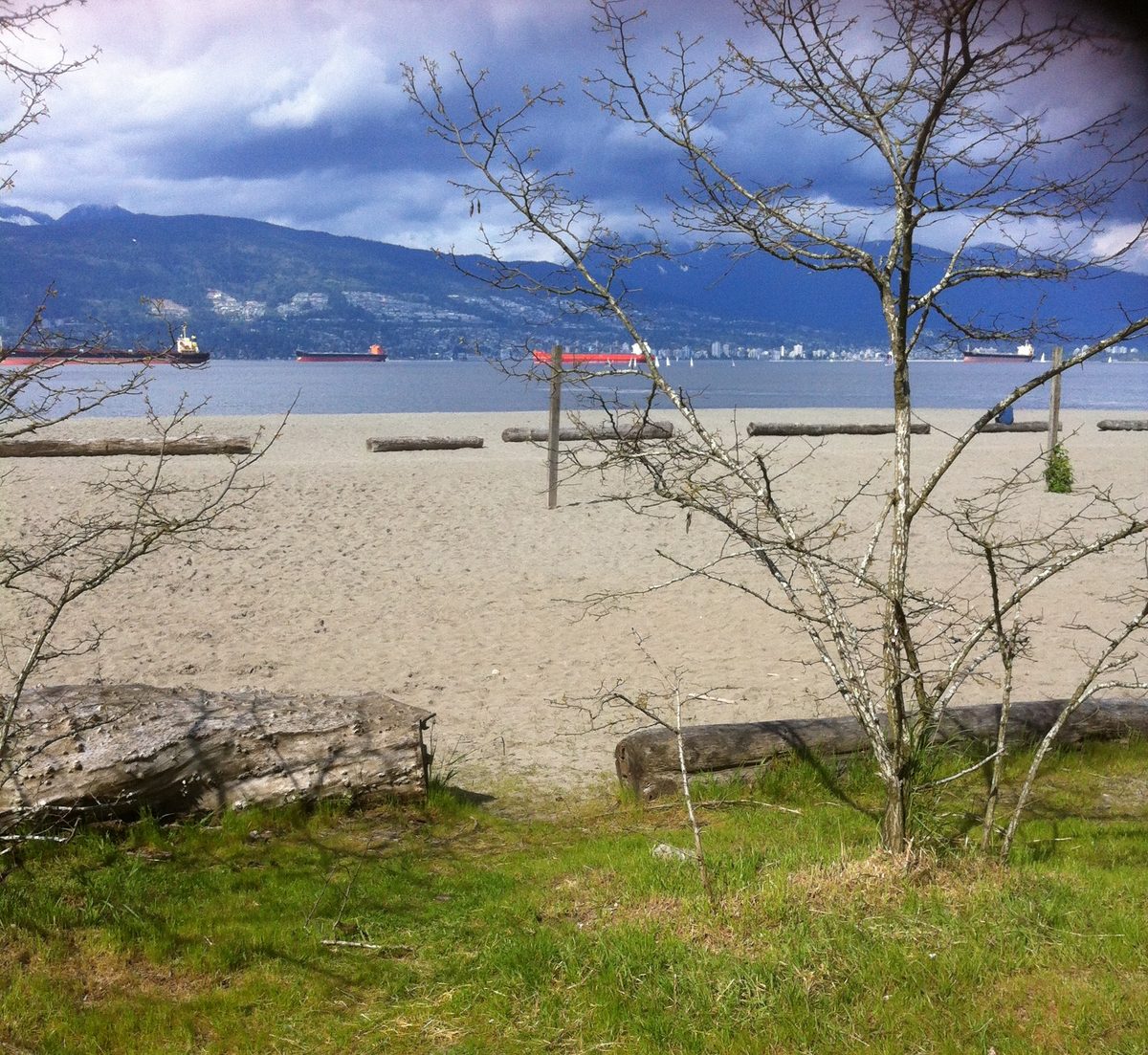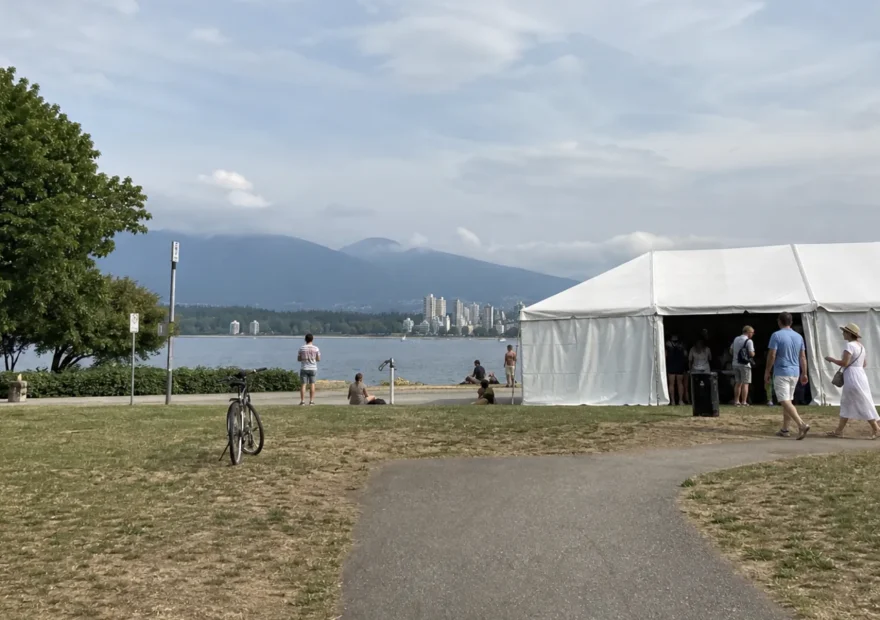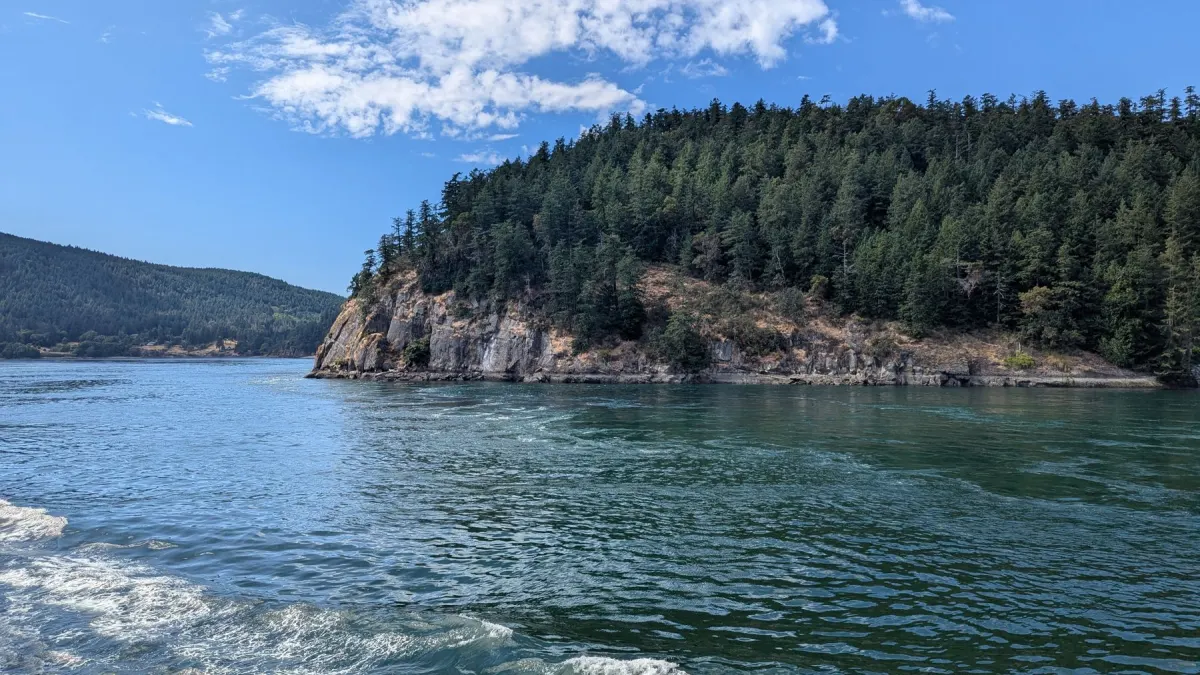
Vancouver Island sits right there on the map, a short hop across the Strait of Georgia, close enough that plenty of visitors treat it as a quick add-on to a Vancouver trip. Then they look closer. The island runs more than 450 kilometres from end to end, with a spine of mountains down the middle and a wild coast on the far side. Victoria and Tofino are both on Vancouver Island, and they sit the better part of a day’s travel apart.
That gap between the map and the ground is where most first trips go sideways. People book a ferry before they have decided where they are actually going, then end up at the wrong terminal for the wrong town with the wrong amount of time. The crossing itself is one of the better parts of any trip to the coast: an hour or two on the water, islands sliding past, the mainland mountains shrinking behind you. It earns its place in the plan only if the rest of the plan holds together.
So this guide works backward from the one decision that matters most. Choose the part of the island you want first. Then pick the route, the budget, and the number of days to match. If you are folding the island into a longer stay, our weekend in Metro Vancouver guide covers the city side of the same trip.
Quick answer: the best way to reach Vancouver Island
If you only read one section, read this one. As the crow flies, Vancouver and Victoria are about 93 km (58 miles) apart across the Strait of Georgia; the practical route by road and ferry runs closer to 109 km (68 miles) and about 3 hours door to door, including the crossing. Beyond that, going from Vancouver to Vancouver Island comes down to where you are headed.
- Going to Victoria: BC Ferries from Tsawwassen to Swartz Bay, then a bus or a short drive into the city. A seaplane from downtown Vancouver makes sense if the budget allows and time is tight.
- Going to Nanaimo: Hullo, the foot-passenger fast ferry from downtown Vancouver, if you are travelling without a car. BC Ferries from Horseshoe Bay or Tsawwassen if you are bringing one.
- Going to Tofino or Ucluelet: ferry to Nanaimo, then a drive of close to three hours across the island. Fly only if the budget is comfortable. This is not a day trip.
- Going to Parksville, Qualicum, the Comox Valley, or Campbell River: bring a car. These are spread out, and transit thins quickly once you leave the bigger towns.
- Want a day trip: Victoria or Nanaimo only, and even then it is a long day on a tight clock.
- Best first overnight: Victoria. It is walkable, car-free friendly, and well served by ferries.
- Best nature trip: Tofino and Ucluelet, or the Parksville and Qualicum beaches, both far better with a car and a few days.
Route comparison at a glance
Five main ways cross the water. Ferry durations below are approximate and exclude loading and terminal waits. Fares change often, so treat the cost column as a relative guide and check current pricing before you book.
| Route | Best for | Car possible? | Time on the water | Cost feel | Main downside |
|---|---|---|---|---|---|
| BC Ferries, Tsawwassen to Swartz Bay | Victoria and the south island | Yes | About 1 hr 35 min | Low walk-on, higher with a car | Tsawwassen is about an hour south of downtown Vancouver |
| BC Ferries, Horseshoe Bay to Departure Bay | Nanaimo and the central island | Yes | About 1 hr 40 min | Low walk-on, higher with a car | Horseshoe Bay is on the North Shore, away from downtown |
| BC Ferries, Tsawwassen to Duke Point | Nanaimo when driving south or north | Yes | About 2 hr | Low walk-on, higher with a car | Duke Point sits south of Nanaimo, not in town |
| Hullo, downtown Vancouver to Nanaimo | Car-free trips to Nanaimo | No, passengers and bikes only | About 70 min | Mid, above a ferry walk-on | No vehicles, and you need a plan once on the island |
| Harbour Air seaplane | Speed to Victoria or Nanaimo | No | About 20 to 35 min | Highest | Weather delays, small bag limits, premium price |
What it actually costs
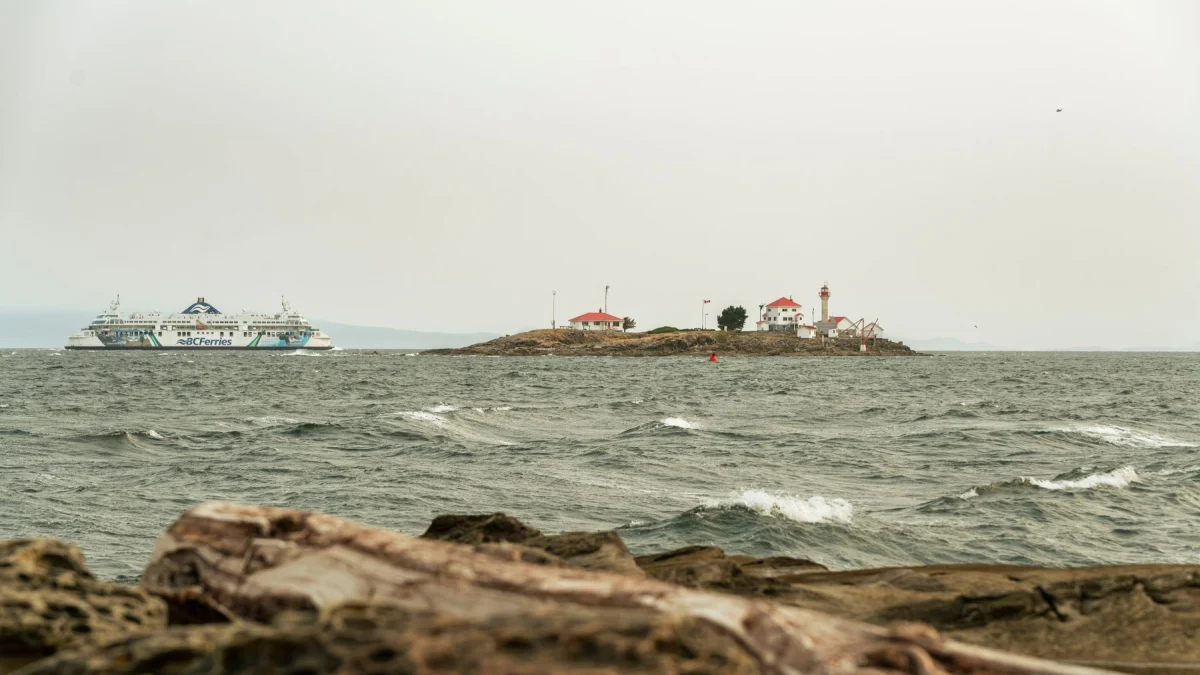
Costs vary more than first-time visitors expect, mostly because of one factor: the car. A walk-on passenger pays a modest fare on any of the BC Ferries routes, in the range of a decent lunch, and far less than a vehicle adds. Bring a car and the price climbs sharply, since you pay for the vehicle and for each passenger separately. On the major routes you can also reserve a vehicle space for a small booking fee.
Hullo’s one-way fares land above a ferry walk-on and below a seaplane, and they move with the date and demand. Seaplane fares with Harbour Air sit at the top of the range; promotional fares can appear, but the real price varies heavily by route, date, demand, and baggage needs. None of these prices are fixed, so the current operator pages are the only reliable source.
Then come the costs that have nothing to do with the crossing. Getting to Tsawwassen or Horseshoe Bay by transit or taxi adds up, a rental car plus gas and parking often costs more than the ferry over a few days, and rooms and meals in Victoria and Tofino run high in summer. Budget for the whole trip, not the boat alone.
| Option | What you pay for | Relative cost | Best when |
|---|---|---|---|
| BC Ferries walk-on | One passenger fare each way | Lowest | You will not need a car on the island |
| Hullo passenger ferry | One passenger fare, downtown to downtown | Low to mid | Car-free trip to Nanaimo from downtown Vancouver |
| BC Ferries with a car | Vehicle fare plus each passenger, plus optional reservation | Mid to high | You want freedom to drive once across |
| Harbour Air seaplane | One premium fare each way | Highest | Speed matters and the budget allows |
| On-island extras | Rental car, gas, parking, rooms, meals | Often more than the crossing | Always budget for these separately |
Cost reality check
- Cheapest: a BC Ferries walk-on, or Hullo on an off-peak date.
- Most flexible: your own car on a BC Ferries sailing, with a reservation.
- Fastest: the seaplane, door to harbour in well under an hour.
- Easiest without a car: Victoria or Nanaimo, both reachable and walkable on arrival.
- Most expensive mistake: driving to the terminal on a summer weekend with no vehicle reservation, missing the sailing, and losing hours you cannot get back.
Choosing your route by destination
If you are going to Victoria
Victoria is the easiest island trip, and the best one for a first visit. The standard route is BC Ferries from Tsawwassen to Swartz Bay. Tsawwassen sits in Delta, about an hour south of downtown Vancouver, so leave time to reach it; Swartz Bay is about half an hour north of Victoria. Drivers continue down the highway, and foot passengers catch a BC Transit bus into the city centre, which makes a car-free Victoria trip simple.
A day trip to Victoria is possible, but it is a long day, with two crossings plus the travel to and from the terminals on both ends. An overnight is far more relaxed. If you would rather skip the ground travel, a Harbour Air seaplane lands right in the Inner Harbour, steps from downtown, in about 35 minutes; it costs more and weather can delay it, but it removes the longest part of the trip.
If you are going to Nanaimo
Nanaimo is the gateway to the central and north island, and it has the most options. If you are travelling without a car, Hullo runs from a terminal at Canada Place in downtown Vancouver straight to downtown Nanaimo in about 70 minutes, foot passengers and bikes only. It is the one route that connects two downtowns without a car.
If you are driving, two BC Ferries routes serve Nanaimo. Horseshoe Bay to Departure Bay is the better choice from the North Shore or the north side of the city, and it lands close to downtown Nanaimo. Tsawwassen to Duke Point suits drivers from the south side, or anyone heading straight up or down the island, since Duke Point sits south of town. For the Horseshoe Bay side of the trip, our North Shore guide covers the area around the terminal.
One caution: Nanaimo’s downtown is fine without a car, but the central island opens up only once you can drive.
If you are going to Tofino or Ucluelet
This is the trip people most often underestimate. Tofino and Ucluelet are on the far west coast, and no ferry runs there direct from Vancouver. You cross to Nanaimo, then drive Highway 4 across the island through Port Alberni, close to three hours without stops and realistically half a day once you factor in Cathedral Grove, the mountain passes, and a meal. Highway 4 is the only road in or out, so check conditions before you set off, especially outside summer.
Give the west coast three days at the very least. A rushed overnight spends most of its hours in the car, while the beaches, surf, and rainforest reward people who slow down and stay put. If the budget stretches, flying saves the long drive, but for most visitors the realistic plan is a ferry, a drive, and a few unhurried days at the other end.
If you are going to Parksville, Qualicum, the Comox Valley, or Campbell River
These central and north island towns string out along the east coast, and the distances between them grow as you go. A car is close to essential. Most people reach this part of the island through Nanaimo, then drive north on Highway 19. Parksville and Qualicum are under an hour past Nanaimo; the Comox Valley and Campbell River are well beyond that.
The common error here is treating the map as flat. Driving the populated east coast end to end takes hours, and detours to the west coast or the offshore islands add more, so give a trip this far up the island the days it needs.
Do you need a car on Vancouver Island?
It depends on where you land, and the honest answer is different for each region.
- Victoria: no car needed for a city trip. The core is walkable, transit covers the rest, and Butchart Gardens can be reached by tour or local bus.
- Nanaimo: fine without a car for the town itself, limited beyond it. Arrive by Hullo and you can walk the waterfront, but the central island needs wheels.
- Tofino and Ucluelet: much easier with a car. Without one you are tied to shuttles and tours, and the area rewards the freedom to roam.
- Parksville, Qualicum, Comox, Campbell River: a car is recommended. Transit is thin and the sights are spread out.
If you bring a car, the reservation becomes the real planning task. On busy routes and peak dates an unreserved vehicle can wait through one or more sailings, so book the space ahead.
What there is to do once you arrive
Victoria
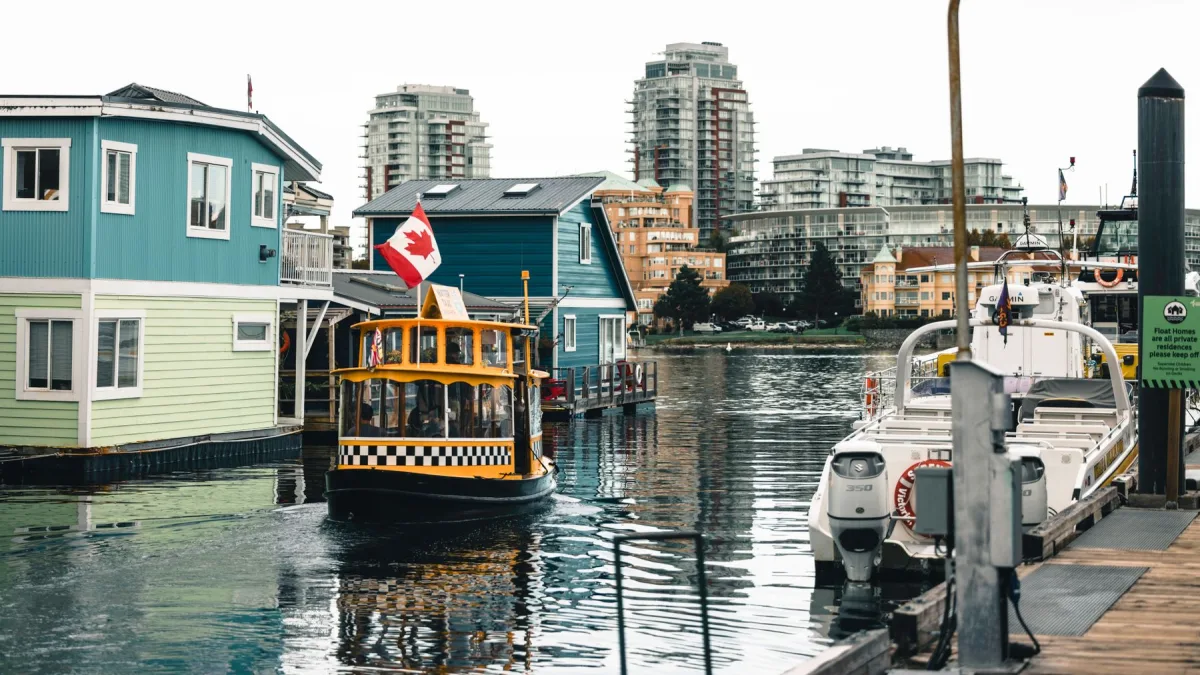
Victoria packs a lot into a small, walkable core. The Inner Harbour is the centre of gravity, ringed by the Parliament Buildings and the harbour walk, with float planes and water taxis coming and going. Fisherman’s Wharf, a short stroll southwest, has floating homes and casual seafood, and Beacon Hill Park gives you green space and a path down to the water. Butchart Gardens is the famous draw, but it sits north of the city and needs a car, a tour, or a transit trip plus time, so plan it as its own outing. Beyond the sights, Victoria rewards an afternoon of wandering its cafes, bookshops, and small neighbourhoods.
Nanaimo
Nanaimo is more working harbour town than postcard, and that is part of its appeal. The waterfront walkway runs along the inner harbour, the Old City Quarter holds the older shops and cafes, and the Nanaimo bar, the city’s namesake dessert, turns up in bakeries around town. Neck Point Park and other small headlands north of the centre give you quick coastal walks. For most travellers Nanaimo is a useful base or first stop rather than the whole trip, but it is a pleasant place to land without a car.
Tofino and Ucluelet
This is the Pacific Rim, and it feels different from the rest of the island. Long open beaches face the ocean, surfers are out year-round, and the rainforest comes close to the road. In summer the draw is the sand and the surf; in the colder months people come specifically for storm watching, when the swell hits the coast hard. Walking trails thread through old-growth forest near both towns and in the national park reserve between them. None of it rewards a rushed schedule.
Parksville and Qualicum
These east-coast beach towns run at a slower pace and suit families well. Parksville’s beach goes out a long way at low tide, warming the shallow water through summer. Qualicum Beach next door is quieter still. The pace is the point here, and a car makes the surrounding parks and the drive up the coast easy to reach.
Comox Valley, Courtenay, and Campbell River
Further north, the island shifts toward nature and the outdoors. The Comox Valley pairs farmland and food with quick access to mountains and shoreline, and Campbell River is a launching point for fishing and for ferries onward to smaller islands. This is longer-trip territory, best reached by car and given several days, not squeezed onto a short visit.
Sample itineraries
One day from Vancouver
A single day works for Victoria or Nanaimo and nowhere else. For Victoria, take an early ferry from Tsawwassen, bus into the city, walk the harbour and a neighbourhood or two, and catch an evening sailing back. For Nanaimo, Hullo from downtown makes the day easier, with about 70 minutes each way. Either way, watch the last departure closely. Tofino in a day is not realistic.
Two days, first-time trip
Two days points clearly to Victoria. One overnight turns a frantic day trip into a calm one: an afternoon and evening in the city, a proper sleep, and an unhurried morning before the trip back. If you would rather see two towns, pair Nanaimo by Hullo with a bus down to Victoria, though that adds travel time.
Three to four days
With three or four days the island opens up. One strong option is Victoria plus the Cowichan Valley to the north, an easy drive through wine country and small towns. Another is Nanaimo as a gateway to Tofino and Ucluelet, accepting that much of one day goes to the drive across. A third is a slower run up the east coast through Parksville and Qualicum. Pick one direction and commit rather than trying to cover the whole island.
Five to seven days
A week is enough to feel the island’s range without rushing. A common loop runs Victoria, up through the Cowichan Valley and Nanaimo, across to Tofino and Ucluelet for a few days on the coast, and back. With a car and a week, the distances that trip up shorter visits become part of the pleasure rather than a problem. This is the trip that does the island justice.
Mistakes to avoid
- Treating the island as one place. Victoria and Tofino are nearly a day apart. Decide where you are going before anything else.
- Expecting the ferry to leave from downtown Vancouver. BC Ferries sails from Tsawwassen and Horseshoe Bay, both outside the city. Only Hullo and the seaplanes leave from downtown.
- Picking the route before the destination. The right terminal depends entirely on the town you want.
- Trying to do Tofino in a day. The drive alone rules it out.
- Skipping the vehicle reservation in summer. An unreserved car can miss sailings on peak days.
- Booking too tight after a flight. Leave a buffer between landing at the airport and catching a ferry.
- Ignoring terminal distance. Reaching Tsawwassen or Horseshoe Bay takes real time from the city.
- Assuming car-free works everywhere. It works in Victoria and central Nanaimo, less so elsewhere.
- Trusting an old fare screenshot. Ferry and seaplane prices change. Check current numbers.
- Underestimating the Nanaimo to Tofino drive. It is half a day, not an afternoon errand.
Practical tips for a smooth crossing
- Choose your destination first, then build the route around it.
- Reserve a vehicle space on BC Ferries during busy periods and holiday weekends.
- Check current sailing conditions on the day you travel, since weather and demand shift schedules.
- Arrive at the terminal early, especially with a car or a reservation to honour.
- Know which terminal you need. Tsawwassen, Horseshoe Bay, Duke Point, and Departure Bay are all different places.
- Build a buffer between an arriving flight and a ferry. If you are heading into the city first, our YVR to downtown guide covers the airport connection.
- Pack layers. The water is cooler than the city, and the west coast is cooler and wetter again.
- Bring snacks and water for travel days, particularly the long drive west.
- Aim for an earlier sailing rather than the last one, so a delay does not strand you.
- Keep a backup plan for holiday weekends, when sailings fill and roads get busy.
How this guide was built
The route, terminal, and timing details here come from the official operators: BC Ferries, Hullo, and Harbour Air, along with destination information from BC’s tourism resources. Crossing times are approximate and exclude loading and terminal waits. Costs are framed in relative terms on purpose, because ferry and seaplane fares change with the season and demand, and a fixed number here would be wrong within months. Where a fare or schedule matters to your plan, the operator’s own page is the only reliable source, and we have linked to those directly. The judgment about which route suits which trip is editorial, drawn from how these services actually connect, and meant to help you avoid the common ways a first island trip goes wrong.
Frequently asked questions
Can you do Vancouver Island as a day trip from Vancouver?
Yes, but only to Victoria or Nanaimo, and it makes for a long day. The crossings and the travel to and from the terminals eat several hours. An overnight is far more comfortable. Tofino is not a realistic day trip from Vancouver.
What is the cheapest way to get to Vancouver Island?
A walk-on passenger fare on BC Ferries is usually the cheapest crossing, with Hullo competitive on off-peak dates. The cost climbs as soon as you bring a car. Check current fares, since they change.
What is the fastest way?
A seaplane. Harbour Air reaches Victoria’s Inner Harbour in about 35 minutes and Nanaimo in around 20, both from downtown Vancouver. It costs the most and depends on the weather, but nothing else is close on speed.
Do you need a car on Vancouver Island?
Not for a Victoria city trip, and not strictly for Nanaimo’s downtown. For Tofino, Ucluelet, and the central and north island, a car makes the trip far easier and is close to essential.
Is Hullo better than BC Ferries?
They do different jobs. Hullo is faster and leaves from downtown Vancouver, but it carries passengers and bikes only. BC Ferries is the choice if you need to bring a car. For a car-free Nanaimo trip, Hullo is hard to beat.
Which ferry goes to Victoria?
BC Ferries from Tsawwassen to Swartz Bay is the main route, with Swartz Bay about half an hour north of the city. Harbour Air’s seaplane lands directly in the Inner Harbour if you would rather fly.
Which ferry goes to Nanaimo?
Three options: Hullo from downtown Vancouver for foot passengers, BC Ferries from Horseshoe Bay to Departure Bay, and BC Ferries from Tsawwassen to Duke Point. The right one depends on whether you have a car and which side of the city you start from.
Can you visit Tofino without a car?
It is possible with shuttles and tours, but harder. Tofino and the surrounding coast reward the freedom of a car. Most visitors drive there after crossing to Nanaimo.
How many days do you need?
One day covers Victoria or Nanaimo at a stretch. Two days suit a relaxed Victoria visit. Tofino needs three or more, and a full island trip is a comfortable five to seven.
Is Vancouver Island good in winter?
Yes, with the right expectations. Victoria stays mild and walkable, and the west coast draws people specifically for winter storm watching. Days are shorter and wetter, and some seasonal businesses close, so plan around the calendar.
Is Vancouver Island the same as Victoria?
No, and the mix-up causes a lot of planning trouble. Victoria is a city at the southern tip of Vancouver Island. The island is much larger and holds many other towns and regions, from Nanaimo to Tofino to Campbell River.
Travel details change. YVRBlog aims to use official sources and show the review date above. If something has changed, please contact us.