How the region is laid out, what to do in two days, where to base yourself, and how to use the SkyTrain — a practical guide for first-time visitors to Metro Vancouver.
Metro Vancouver is bigger than first-time visitors expect, and a weekend does not cover all of it. That is fine. The region pays off for people who pick a few things and do them properly rather than racing a checklist. This guide is built around the decisions you actually have to make: whether to rent a car, where to base yourself, and how to fill two days without losing half of them to transit.
Treat it as a menu, not a script. The Saturday and Sunday plans below are a sensible default. The sections after them cover what to change if it rains, if you are watching the budget, or if you would rather be in the mountains than a museum. At the end there are four more car-free day trips you can swap in or add if you have extra time.
First decision: do you need a car?
For a weekend spent mostly in Vancouver, on the North Shore, and in Richmond, you do not need one. The SkyTrain, SeaBus, and bus network reach all three, and parking downtown is expensive and slow to find. A car only earns its keep if you are heading further out, to the Fraser Valley or Squamish, or into the corners of the region that transit reaches slowly.
If you are flying in, sort the airport trip first. The Canada Line runs from YVR into downtown in under half an hour, usually faster and cheaper than a taxi in traffic. Our guide to getting from YVR to downtown Vancouver lays out the routes and costs.
Where to base yourself
Where you sleep decides how much of the day you spend getting around. A few options to weigh:
- Downtown Vancouver is the default for a first visit. You can walk to Stanley Park, the seawall, Gastown, and Yaletown, and every transit line runs through here. It is the priciest base and the one that saves the most time.
- The North Shore, meaning North or West Vancouver, is quieter, closer to the mountains, and a SeaBus ride from downtown. Good if hiking and forest are the priority. North Vancouver and West Vancouver are separate municipalities, not part of the City of Vancouver.
- Richmond is flat, close to the airport, and home to some of the best Asian food in the country. The Canada Line connects it to downtown. A practical base if you fly in late or out early.
- Burnaby or New Westminster are cheaper, well served by SkyTrain, and useful if you are visiting people or want more room for the money.
- The Tri-Cities, meaning Coquitlam, Port Moody, and Port Coquitlam, are furthest out of these, on the Millennium Line, with lake and inlet trails close by. Reasonable if you want quiet and do not mind a longer ride into the city.
Friday evening: keep it simple
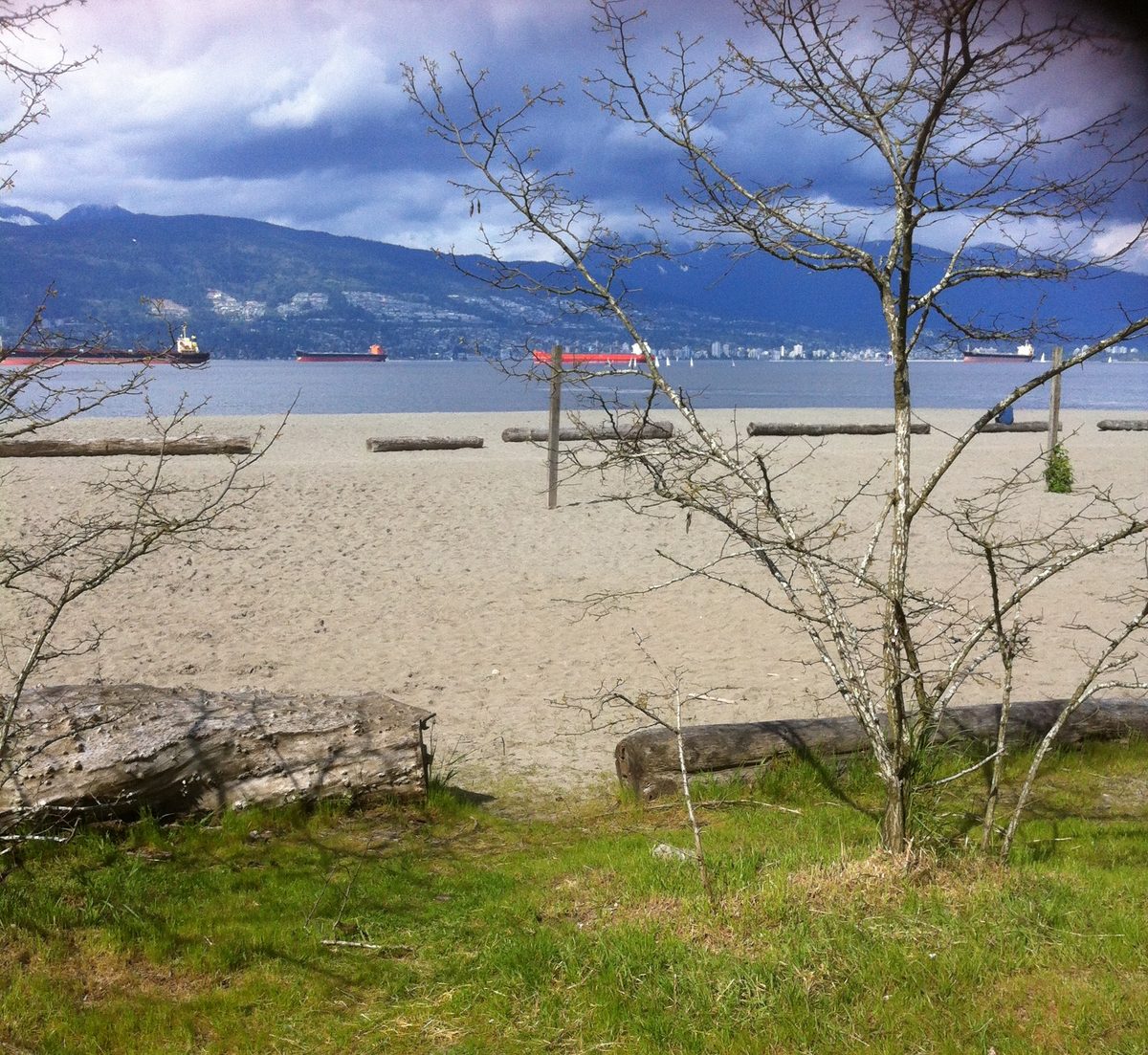
If you land Friday, do not force the itinerary that night. Drop your bags, eat near where you are staying, and walk one neighbourhood. From downtown, the West End and English Bay make an easy stroll with a sunset over the water in summer. From the North Shore, Lonsdale Quay has food and a view back at the downtown skyline. Save the real planning for Saturday morning.
Saturday morning: Stanley Park and Granville Island
Start at Stanley Park and walk the seawall for as long as suits you. The full loop is close to 9 km and takes two to three hours at an easy pace, or you can do the southern half from English Bay to the Lions Gate viewpoint and back in about 90 minutes. Either way you get the water-and-mountains view that defines the city.
From the West End side of the park, the small passenger ferries cross False Creek to Granville Island. The Aquatic Centre dock near English Bay is the closest pickup, the ride costs a few dollars, and it beats driving. Granville Island is a working public market with a lot of tourist traffic layered on top, so go early, before the midday crowd fills the food hall. Our Granville Island guide covers what to buy and which parts to skip.
Saturday afternoon: Gastown and the east side
Take transit back across to Gastown for the afternoon. The cobblestone blocks around Water Street are where the city started, and there is enough to fill a couple of hours without forcing it. The steam clock rates a short stop and no more. For the current state of the neighbourhood, including the redone Blood Alley and the car-free Sundays in summer, see our Gastown guide.
For a more lived-in version of the city, carry on east to Commercial Drive. It is less polished than Gastown and more genuinely local, with independent cafes and long-running restaurants. Our Commercial Drive guide lays out a morning or afternoon there without the wasted steps.
Saturday evening: dinner in Kitsilano or on Main Street
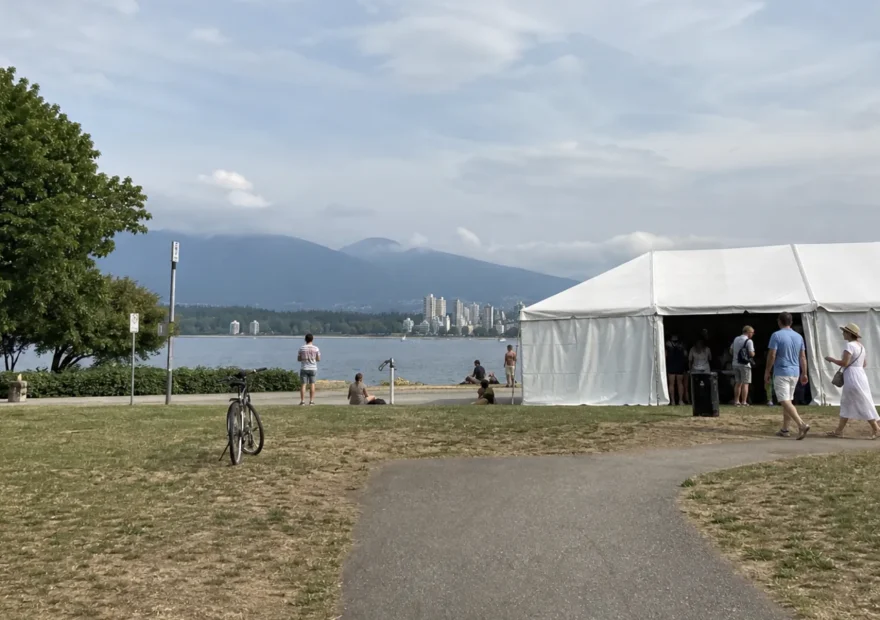
Kitsilano and Main Street are where Vancouver eats on weekends, away from the tourist markup. Main Street from Broadway to King Edward has become one of the better dining strips in the city over the past decade. Kitsilano pairs good food with a beach you can walk to afterward, and in summer the sun sets late over English Bay from Kits Beach. Book ahead either way.
Sunday: pick one, the mountains or the food
Two strong options for your last day, depending on what you would rather remember. Both fill a morning and the start of an afternoon, so pick one and leave time to reach the airport or get back on the road.
The North Shore. The SeaBus from Waterfront Station to Lonsdale Quay is about a 12-minute crossing on a regular transit fare, and a small pleasure in itself. From the Quay, buses run up toward the mountains. Pick one rather than chasing several:
- Grouse Mountain. Ride the Skyride gondola up for the views and the on-site wildlife, or hike the Grouse Grind, a steep uphill-only trail, and take the gondola back down.
- Capilano Suspension Bridge. Paid admission, dramatic, with a cliffside walkway and a route through the treetops.
- Lynn Canyon. Free, with a smaller suspension bridge, canyon trails, and swimming holes in summer. The honest alternative to Capilano.
For the wider area, including West Vancouver and the longer hikes, see our North Shore guide.
Richmond and Steveston. If you would rather eat, take the Canada Line south and get off at Aberdeen or Lansdowne. Aberdeen Centre and the plazas around it hold the densest run of Chinese and other Asian food in the country: dim sum, hand-pulled noodles, soup dumplings, bubble tea. Our guide to Asian food areas in Richmond points you at the right blocks.
With more time, carry on to Steveston, a working fishing village at the mouth of the Fraser with a boardwalk, fresh seafood off the boats, and whale-watching departures in season. It is a slower, quieter end to a weekend than the city core.
More car-free day trips
If you are staying longer than a weekend, or you would rather swap one of the Sunday options for something quieter, these trips all run on the same Compass Card and need no car. Each one fills a morning or an afternoon.
New Westminster heritage walk. New Westminster Station, on the Expo Line, lands you at the top of the city’s historic commercial district, under 30 minutes from downtown. Walk down Columbia Street to the river, stop at the Fraser River Discovery Centre, and follow the waterfront path before looping back through the heritage streets above. The full circuit is about 4 km and takes two to three hours with stops. A farmers market runs at Tipperary Park on summer evenings; check the current season before you build a trip around it. Our New Westminster guide has the rest.
Port Moody, the inlet and Brewers Row. The Millennium Line reaches Moody Centre in Port Moody in about 40 minutes from downtown. From the station it is a short walk to Rocky Point Park and the Shoreline Trail along the inlet, or to Murray Street and the cluster of breweries known as Brewers Row. The walk is the outdoor half of the day and the tasting rooms are the indoor half, with no parking to think about. Port Moody sits inside our Tri-Cities guide if you want to make more of the area.
Burnaby Mountain and SFU. From Production Way–University Station on the Millennium Line, the 145 bus climbs to the SFU Burnaby campus on top of Burnaby Mountain. The trail network around the campus opens onto views east toward the Fraser Valley and Mount Baker on a clear day, and the campus itself is a striking piece of 1960s concrete architecture in a mountain setting. Give yourself a morning. Our things to do in Burnaby guide covers the city below.
West Vancouver and the Ambleside seawall. Buses 250 and 257 leave downtown along Georgia Street and run through West Vancouver on Marine Drive. Get off at Ambleside for the beach and the start of the West Vancouver seawall, a flat waterfront path with mountain views across the inlet. The 257 carries on to Horseshoe Bay if you want the ferry-terminal village at the end of the line. The bus ride along the water is half the reason to go, and this stretch is part of the North Shore covered in the guide above.
Maple Ridge. Further out on the West Coast Express commuter rail, Maple Ridge trades the Tri-Cities’ polish for farm country and river access. It is a longer trip than the others on this list, so it suits a slower day rather than a quick add-on. See our dedicated Maple Ridge neighbourhood guide for the details.
Fort Langley. Also reached via the Fraser Valley, Fort Langley pairs a walkable historic main street with farm country beyond it — closer to a day trip out of the city than an inner-suburb stop. Our Langley guide covers Fort Langley, the parks, and how to string a day together without a car.
If it rains
Rain is part of the deal for much of the year, and most of this plan still works under an umbrella. The seawall and Granville Island are fine in light rain. If it is heavier, move indoors: the Granville Island market, Richmond’s food courts, and the shops and galleries of Gastown all keep a wet day going. Save the mountains for a clearer day, since the views are the main reason to go up.
If you want a low-cost weekend
Vancouver is expensive, but a weekend here does not have to be. The seawall, Stanley Park, Lynn Canyon, the beaches, and most neighbourhood walking cost nothing. Transit on a Compass Card is cheap next to parking and taxis. Eat where locals eat, since Richmond, Commercial Drive, and the food courts beat the tourist strips on both price and quality. Our guide to free and cheap things to do is built for exactly this.
If you want nature without losing half the day
You do not have to drive to Whistler to stand in a forest. Lynn Canyon, Stanley Park, and the beaches are all reachable by transit inside the city, which means an afternoon outdoors without a half-day round trip. For a fuller list of green space you can get to without a car, our guide to Metro Vancouver parks by transit maps the options by line. If you do want the bigger day out, our Vancouver to Whistler guide and our guide to visiting Vancouver Island from Vancouver cover the two most popular side trips and how to approach each.
What to skip on a two-day visit
A few things to get right rather than wrong. Do not overload a single day; two or three real stops beat six rushed ones. Do not stack the whole weekend downtown either, since the North Shore and Richmond are where the region opens up. Build in more transit time than you expect, because connections across the region add up. And do not drive the main routes at rush hour, roughly 7 to 9 in the morning and 4 to 7 in the evening, when the SkyTrain will beat the car.
Two sample weekends
No car, based downtown. Saturday, walk the seawall and ferry to Granville Island, then Gastown and Commercial Drive in the afternoon and dinner on Main Street. Sunday, SeaBus to the North Shore for Lynn Canyon or Grouse, back by mid-afternoon.
With a car, based in Richmond. Saturday, drive in early, park once downtown, then use transit and your feet for Stanley Park and Granville Island. Sunday, eat your way through Richmond and Steveston before heading to the airport. If you plan to drive to the beaches, arrive early, since the lots fill fast on warm days.
Practical notes
- Get a Compass Card or tap a contactless card to pay. One fare structure covers the SkyTrain, SeaBus, and buses.
- Check the TransLink trip planner before weekend day trips, since some bus routes run less often on Sundays.
- Pack a layer even in summer. Afternoons near the water cool off and the weather shifts quickly.
- Big events at BC Place and Rogers Arena, concerts and playoff games included, push up hotel prices and crowd the SkyTrain on event nights. If your dates are flexible, check what is on before you book.
Travel details change. YVRBlog aims to use official sources and show the review date above. If something has changed, please contact us.