Parking at Metro Vancouver’s most popular parks can turn into the main event on a sunny summer weekend: circling full lots, waiting in long lines, and trying to arrive before everyone else.
Summer 2026 gives car-free visitors a better option. Starting June 8, TransLink is adding new seasonal service to Golden Ears Provincial Park and Campbell Valley Regional Park, while also improving or extending service to outdoor destinations such as Belcarra, White Pine Beach, Spanish Banks, and the Seymour / North Shore area.
This guide is for locals without a car, students, newcomers, visitors, and anyone who would rather plan a smart transit day than fight for parking. Instead of ranking parks by scenery alone, it looks at the practical questions that matter: how hard the trip is, who it suits, and what can go wrong if you under-plan.
All route information below is based on TransLink’s official Summer Service Changes page, effective June 8, 2026. Schedules can change — always use the TransLink Trip Planner or call 604-953-3333 before you go.
Last updated: May 27, 2026
Quick Picks
- Best full-day adventure: Golden Ears Provincial Park
- Best easy family walk: Campbell Valley Regional Park
- Best swim day: White Pine Beach / Sasamat Lake
- Best low-effort beach trip: Spanish Banks
- Best downtown option: Stanley Park
- Biggest warning: Check your last return bus before you start a trail, swim, or picnic
Quick Comparison: Parks by Transit at a Glance
| Park | Best For | Best Starting Point | Transit Difficulty | Family-Friendly? | Best Season | Key Warning |
|---|---|---|---|---|---|---|
| Golden Ears Provincial Park | Full-day hikes, swimming, wilderness feel | Haney Place Exchange | Medium-High | Yes, with planning | June–September | Route 736 runs weekends/holidays only; plan your return time |
| Campbell Valley Regional Park | Easy trails, heritage farm, relaxed nature | Langley Centre Exchange | Medium | Yes | Year-round; summer best | Route 566 runs weekends/holidays only; no swimming |
| Belcarra Regional Park | Swimming, picnics, quiet coves | Moody Centre Station | Medium | Yes | June–September | Route 181 Belcarra extension is weekends/holidays only |
| White Pine Beach / Sasamat Lake | Swimming, beach day | Coquitlam Central Station | Medium | Yes | June–September | Sasamat gets very busy; arrive early |
| Spanish Banks | Beach walk, picnic, low-effort outdoor day | Broadway corridor / Kitsilano | Easy | Yes | Summer | Better for beach walks than warm swimming |
| Stanley Park | Seawall, forest walks, central location | Downtown Vancouver | Easy | Yes | Year-round | Crowded in peak summer; avoid assuming fast downtown connections |
| Bonus: Seymour / North Shore area | North Shore access and nearby walks | Burrard Station / Phibbs Exchange | Medium | Depends on plan | June–September | Route 211 is not a direct Mount Seymour Provincial Park route |
Best Parks by Situation
Best overall car-free adventure: Golden Ears. It takes the most planning, but the payoff is the closest thing in this guide to a full provincial-park day: lake, trails, forest, and a proper feeling of being out of the city. If you are starting late, choose something easier.
Best for families: Campbell Valley. Flat trails, forest, meadow, a heritage farm, horses, and no serious elevation. The new route 566 runs every 60 minutes on weekends and holidays, which gives you a predictable schedule to plan around.
Best for swimming: White Pine Beach / Sasamat Lake. Belcarra is also a strong swim-and-picnic option, but White Pine is the clearer pick if the main goal is a classic beach day.
Best for an easy half-day trip: Spanish Banks. Route 42 runs every 15 minutes on weekends and holidays this summer, which makes a low-commitment beach afternoon much easier to plan. This is the simple choice when you want water and views without turning the day into a project.
Best for people staying downtown: Stanley Park. Walk, bike, or take a short bus ride. Route 19 directly serves the park, and other downtown or West End routes can get you close. It requires less planning than the regional park trips, but you should still check your route if you are travelling through downtown.
Best if you want nature without a long hike: Campbell Valley or Spanish Banks. Campbell Valley’s trails are largely flat. Spanish Banks is a beach walk, not a hike at all.
Best option to avoid parking stress: Golden Ears, White Pine Beach, and Spanish Banks. These are exactly the kinds of places where driving can turn a simple outdoor day into a parking strategy.
Golden Ears Provincial Park
Why Go
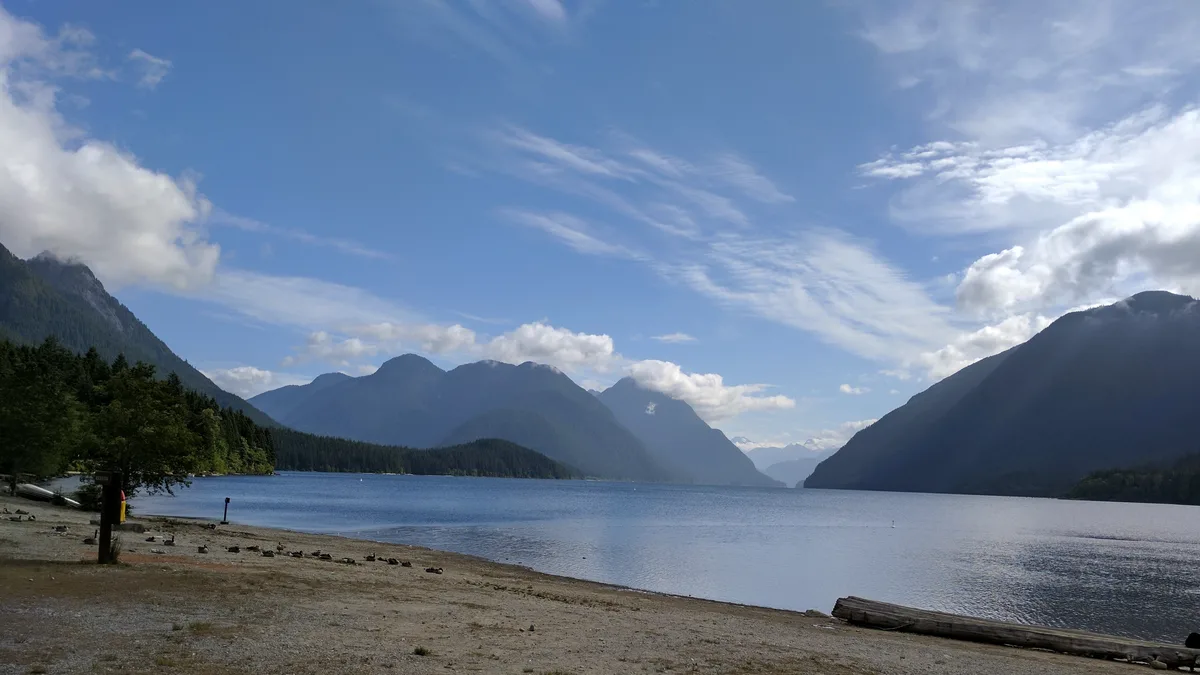
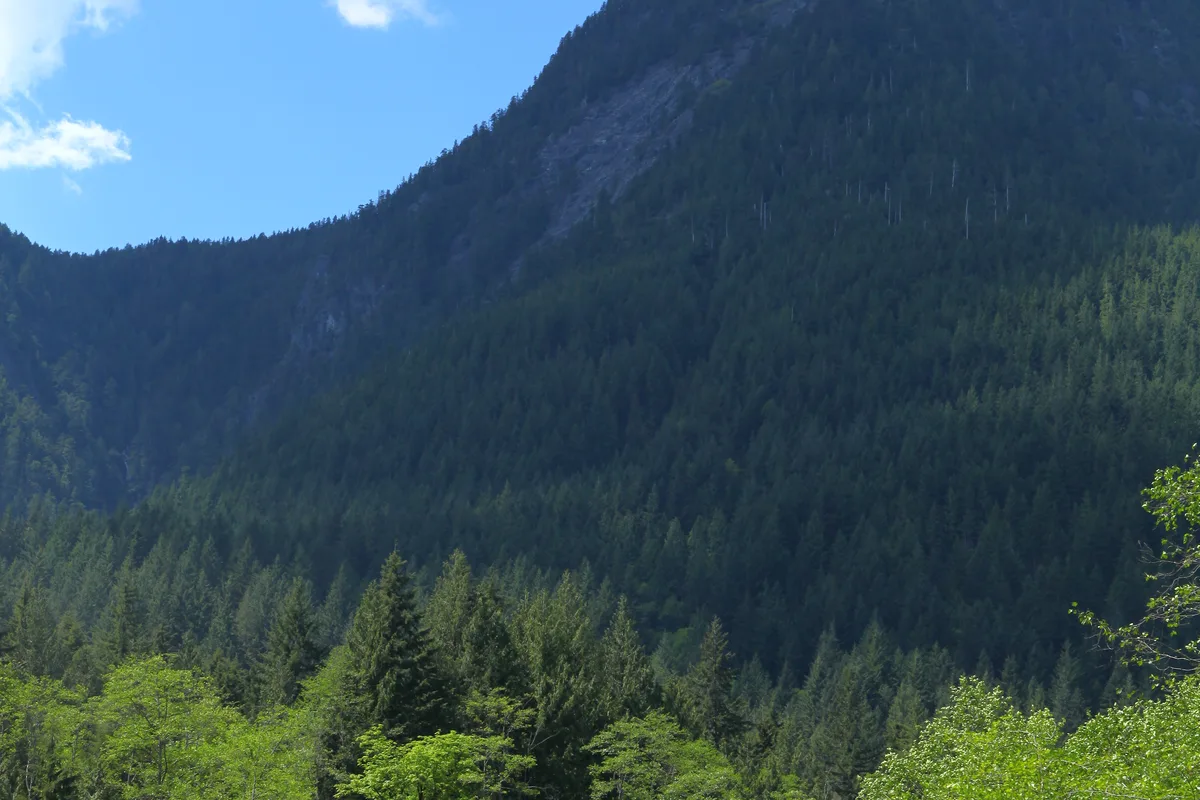
Golden Ears is one of the largest provincial parks in the Lower Mainland, with everything from lakeside picnic areas to serious multi-day backpacking routes. For a summer day trip, Alouette Lake is the main draw: a proper lake beach with forested peaks around it. Even the lower trail network feels much bigger and wilder than a city park.
How Transit Works
This is new in 2026. Route 736 (Haney Place / Golden Ears) is a brand-new seasonal service launching June 8. It runs on weekends and holidays only, with buses departing Haney Place Exchange (bus bay 3) every 30 minutes towards Golden Ears from 7 a.m. to 8 p.m., and returning from Golden Ears every 30 minutes from 8 a.m. to 9 p.m.
To reach Haney Place from Vancouver on weekends or holidays, many riders will likely connect through Coquitlam Central Station and Route 701 toward Haney Place, then transfer to Route 736. Do not assume West Coast Express will be available — it normally operates as a weekday commuter service. Use TransLink Trip Planner the same day to confirm the best route from your exact starting point.
Who It’s Best For
People who want a full-day outdoor experience and are comfortable with transit logistics. Very worthwhile for anyone who’s been wanting to visit Golden Ears but doesn’t have a car.
Don’t choose this if: you only have a few free hours, you dislike long transit connections, or you are not willing to plan your return bus before you start exploring.
What to Pack
Water — more than you think — food for the day, sunscreen, a light layer, and a valid transit payment method such as Compass Card or contactless tap-to-pay. Cell service may be limited inside the park, and once you are near the lake, backup options are limited.
Main Warning
Route 736 runs weekends and holidays only. The last return bus departs Golden Ears at 9 p.m. on weekends, so know that time before you get absorbed in a trail, swim, or picnic. This is not the trip where you want to improvise the way home.
Best Alternative If It Feels Too Far
Belcarra or White Pine Beach for swimming; the Seymour / North Shore area for a shorter North Shore outing — but check the exact route before treating it like a hiking trip.
Campbell Valley Regional Park
Why Go
Campbell Valley is a large regional park in Langley with flat, well-maintained trails through second-growth forest, wetlands, and meadows. There is a heritage farm area, horses are common on the trails, and the pace of the park is relaxed. It is not dramatic terrain — that is the point. Go here for a calm, easy nature day, not a mountain payoff.
How Transit Works
Also new in 2026. Route 566 (Langley Centre / Campbell Valley) is a brand-new seasonal service, also launching June 8. It runs weekends and holidays, departing from bus bay 6 at Langley Centre Exchange every 60 minutes towards Campbell Valley from 8 a.m. to 8 p.m., with return trips from 8:30 a.m. to 8:30 p.m.
To reach Langley Centre from Vancouver, you will usually need a SkyTrain-and-bus connection through Surrey or Langley. Use the TransLink Trip Planner for your exact starting point — Langley is further out, and the connection adds time.
Who It’s Best For
Families with young kids, people who want a genuine nature walk without elevation, dog owners, and anyone who finds most “hiking” guides a bit too intense. The flat trails and heritage farm make it one of the more accessible parks in the region.
Don’t choose this if: you want swimming, mountain views, or a dramatic hike. Campbell Valley is better for slow walking and relaxed nature than adrenaline.
What to Pack
Good walking shoes, especially after rain, plus water, snacks, and a light jacket. Bring what you need instead of assuming you can solve food or supplies once you arrive.
Main Warning
Route 566 runs weekends and holidays only, hourly. Plan around the schedule — an hour between buses means being organized about when you head back to the stop. No swimming at Campbell Valley.
Best Alternative If It Feels Too Far
Tynehead Regional Park in Surrey is closer to the SkyTrain network and also has flat trails, though it doesn’t have the same route variety.
Belcarra Regional Park
Why Go
Belcarra is a peninsula park on Burrard Inlet with picnic areas, coves, and swimming spots. Compared with White Pine Beach, it has more of a cove-and-picnic feel and can be a better fit if you want a slower day by the water. Sasamat Lake is in the same general area, but do not treat the two as identical beach trips.
How Transit Works
Route 181 (Moody Centre Station / Ioco) is being extended to Belcarra for all weekend and holiday trips starting June 8. Buses labelled 181 BELCARRA run directly to Belcarra; buses labelled 181 BELCARRA VIA ANMORE take the longer route through Anmore.
On Saturdays, service runs every 30 minutes from 7:30 a.m. to 8 p.m., then hourly until midnight. On Sundays and holidays, every 30 minutes from 8:30 a.m. to 8 p.m., then hourly.
To reach Moody Centre Station, take the SkyTrain Millennium Line to Moody Centre (Port Moody).
Who It’s Best For
People who want a swimming and picnic day with a quieter, cove-style feel than White Pine Beach. Also good for anyone who wants to explore the Port Moody area — there are food and coffee options near Moody Centre Station before or after.
Don’t choose this if: you want the simplest possible beach transit trip or a big sandy beach atmosphere. White Pine Beach may be a better fit for that.
What to Pack
Swimsuit, towel, sunscreen, water, and food. Bring your own basics so the day does not depend on finding supplies near the park. Before swimming, check Metro Vancouver’s recreational beach water quality page for current advisories.
Main Warning
The Belcarra extension is weekends and holidays only. Watch which sign is on the bus — 181 BELCARRA vs 181 BELCARRA VIA ANMORE affects your travel time. If you’re not sure, ask the driver.
Best Alternative If It Feels Too Far
White Pine Beach via Route 150 is a comparable swim destination with its own direct service.
White Pine Beach / Sasamat Lake
Why Go
Sasamat Lake is known locally as a warmer freshwater swim option compared with Vancouver’s ocean beaches, and White Pine Beach gives it a proper sandy beach feel. It is a real beach day, not just a quick waterfront stop. The surrounding trails are easy and short, which makes it a good option even for people who are not planning to hike.
How Transit Works
Route 150 (Coquitlam Central Station / White Pine Beach) is getting a significant service boost this summer. On weekdays, new service runs every 30 minutes from 10 a.m. to 9 p.m. On Saturdays and Sundays/holidays, every 20 minutes from 9 a.m. to 9 p.m. (improved from 30 minutes).
Take the SkyTrain Millennium Line to Coquitlam Central Station, then catch Route 150.
Who It’s Best For
Anyone who wants an actual beach day without leaving Metro Vancouver. Good for families, groups, and anyone who wants warm freshwater swimming rather than an ocean beach walk.
Don’t choose this if: you hate crowds. On hot sunny weekends, Sasamat can feel very busy even when transit service is frequent.
What to Pack
Everything you would bring to any beach: swimsuit, towel, sunscreen, plenty of water, and food for the day. Pack as if you are staying put once you arrive. Before swimming, check Metro Vancouver’s recreational beach water quality page for current advisories. Arrive early on sunny summer weekends — it gets genuinely packed.
Main Warning
Sasamat is one of the busiest swim destinations in the region. If you’re going on a hot Saturday in July, plan to be on an early bus. The lake itself is small enough that it can feel congested at peak times.
Best Alternative If It Feels Too Far
Belcarra has swimming and is also served by transit this summer, with a slightly different atmosphere.
Spanish Banks
Why Go
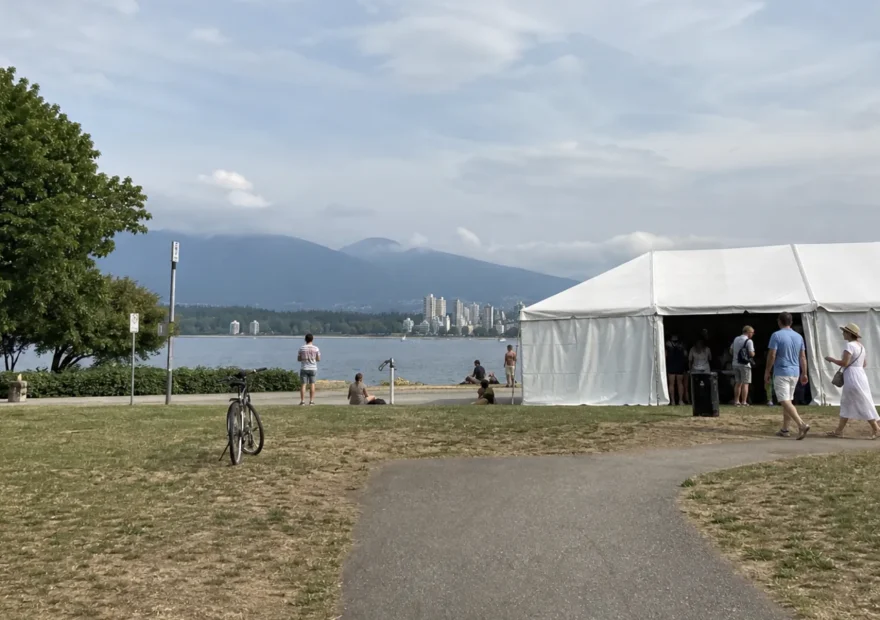
Spanish Banks is a long stretch of beach on the west side of Vancouver, with low-tide flats that open into a wide expanse of sand and shallow water. It is not the same kind of swim destination as Sasamat — the water is cold ocean, not a warm lake — but for a beach walk, a picnic, or sunset views toward the North Shore mountains, it is one of the better easy wins in the city.
How Transit Works
Route 42 (Alma / Spanish Banks) is getting a major frequency boost this summer. On weekends and holidays, it will run every 15 minutes from 10 a.m. to 10 p.m. — a significant improvement from the previous 30-minute headway. This makes spontaneous trips genuinely practical.
Route 42 is the Alma / Spanish Banks route and connects the beach with Vancouver’s west side. If you are coming from downtown or another part of the city, use Trip Planner to connect through Broadway, Kitsilano, or another west-side route that fits your starting point.
Who It’s Best For
People based in Vancouver who want an easy outdoor afternoon without planning a full expedition. Also very good for visitors staying in Kitsilano or near the Broadway corridor.
Don’t choose this if: your main goal is warm swimming. Spanish Banks is excellent for views, walking, picnics, and low-tide space, but it is not the same kind of swim day as Sasamat.
What to Pack
Layers, because the wind off the water can be noticeable. Bring sunscreen even when it is cloudy, plus food and water. There may be seasonal concession options near the beach, but do not build the plan around them.
Main Warning
Spanish Banks is not a warm-water swim destination. Go for the space, the walk, and the view. If swimming is the priority, White Pine Beach or Belcarra are better options.
Best Alternative If It Feels Too Far
Kitsilano Beach is closer to downtown and served by multiple routes, though it gets crowded.
Stanley Park
Why Go
Stanley Park doesn’t need much introduction to most readers, but it’s worth noting for newcomers and visitors: it’s a 400-hectare forested park at the western edge of downtown Vancouver, with a seawall, forest trails, beaches, and a decent amount of wildlife if you get away from the main paths. For a car-free day in Vancouver, it’s still one of the most rewarding options.
How Transit Works
Route 19 directly serves Stanley Park, and several downtown or West End routes can get you within walking distance of the seawall and park entrances. The 19 is getting seasonal weekday service increases this summer. From downtown, the park is also walkable or bikeable for many people. Use Trip Planner for the exact entrance you want, because “Stanley Park” can mean very different starting points.
Who It’s Best For
Everyone — but especially people staying downtown, visitors with limited time, and anyone who wants a mix of city and nature without committing to a long transit trip.
Don’t choose this if: you want a quiet, low-crowd nature day. Stanley Park is convenient, but it is also one of the most visited places in Vancouver.
What to Pack
Whatever you would bring for a long city walk. Water and snacks are worth having, especially if you are going beyond the seawall. Wear comfortable shoes if you plan to dip into the forest trails.
Main Warning
Note for summer 2026: Downtown Vancouver transit patterns may change during major events and summer street closures. If you’re connecting through downtown to reach Stanley Park, leave extra time and check TransLink Alerts before you leave.
Best Alternative If It Feels Too Busy
Queen Elizabeth Park is accessible by transit (Route 15 Cambie is getting weekend service increases) and offers a different kind of green space — gardens, views, and less seawall-crowd energy.
Bonus Option: Seymour / North Shore Area
Why Go
The Seymour / North Shore area gives you a transit-based North Shore option without driving across the bridges yourself. Keep it in the bonus category: it can work for some nearby walks, village stops, and local trail access, but it is not as simple as Stanley Park or Spanish Banks. Treat this section as a planning starting point, not a guaranteed hiking route.
How Transit Works
Route 211 has improved weekend and holiday frequency toward the Seymour / North Shore area, but it should not be treated as a direct Mount Seymour Provincial Park shuttle. Use Trip Planner for your exact destination before choosing this option.
Who It’s Best For
People who are comfortable checking route details and want a North Shore outing by transit. This is better for flexible walkers and experienced transit users than for someone planning their first easy beach day.
Don’t choose this if: you need a guaranteed simple route to Mount Seymour Provincial Park. This section is about the broader Seymour / North Shore area, not a direct provincial park shuttle.
Main Warning
This is the option with the most uncertainty in this guide. The frequency improvement helps, but the destination, walking distance, and any extra connection must be checked in Trip Planner for your exact route.
Important Transit Tips Before You Go
Check TransLink the same day. Schedules, detours, and alerts can change. Summer events and street closures can affect downtown routes. If you are connecting through downtown, check translink.ca/alerts before leaving.
Granville Street closure, June 8–July 26, 2026. If you are travelling through downtown Vancouver during this period, check your route carefully: Granville Street between Georgia and Davie is closed to vehicle and bus traffic, with buses rerouted to Howe and Seymour. This may affect connections if you are starting a trip from the downtown core.
Start earlier than you think you need to. Popular parks fill up, and the first few buses of the day are rarely crowded. Arriving at Sasamat or Golden Ears early means better spots, better trails, and an easier return trip.
Pack water and food for the whole day. Treat food, drinks, and supplies as things you solve before the trip, not after you arrive. Some destinations may have limited seasonal concessions nearby, but availability can change and prices are usually higher than bringing your own.
Return trips can be crowded. Everyone leaves the beach around the same time. If you’re on a route that runs every 30 or 60 minutes, missing your bus means a real wait. Keep track of the last few departures and start heading back with margin.
Do not count on cell service, shops, or easy backups inside parks. Golden Ears in particular may have limited connectivity. Screenshot your schedule and save your Transit Alert settings before you leave home.
Check the park page before you leave. For current hours, washroom availability, advisories, and any seasonal restrictions, check the official park page for your destination before heading out.
Pack for weather. Metro Vancouver summer weather is genuinely variable. Sun in the morning doesn’t guarantee sun at 3 p.m. A light rain layer takes up almost no space and saves a lot of misery.
Which Park Should You Choose?
Choose Golden Ears if you want a full-day outdoor adventure, you are comfortable with transit logistics, and you have been meaning to visit a real provincial park without renting a car. Commit to an early start.
Choose Campbell Valley if you want a relaxed nature walk with flat trails, you’re bringing kids or a dog, or you want the green space experience without any pressure to summit anything. Good option for a slow-paced day.
Choose White Pine Beach if swimming is the point. Sasamat has warmer lake water and a proper sandy beach. Choose Belcarra if you prefer a quieter cove-and-picnic feel.
Choose Spanish Banks if you want an easy, low-commitment beach afternoon. Route 42 running every 15 minutes on weekends means you can go spontaneously and leave without planning the whole day around one bus. Do not go expecting warm water.
Choose Stanley Park if you’re staying downtown, you have limited time, or you’re visiting Vancouver for the first time. It’s the most accessible, and it still holds up.
Choose the Seymour / North Shore area if you want a North Shore outing and are comfortable checking the exact route before leaving. Do not treat it as a direct Mount Seymour Provincial Park transit solution.
FAQ
Can you visit Metro Vancouver parks without a car?
Yes — and summer 2026 is one of the more practical times to do it. TransLink has added two brand-new seasonal routes to Golden Ears Provincial Park (Route 736) and Campbell Valley Regional Park (Route 566), plus a new Belcarra extension on Route 181 and improved service on routes serving White Pine Beach, Spanish Banks, and the Seymour / North Shore area. The seasonal changes begin June 8, 2026, with the park-specific routes focused on weekends and holidays through the summer.
Which Vancouver parks are easiest to reach by transit?
Stanley Park and Spanish Banks are the easiest — both are close to downtown, served by multiple routes, and require minimal planning. Spanish Banks is particularly convenient this summer with Route 42 running every 15 minutes on weekends and holidays. Belcarra and White Pine Beach require a SkyTrain connection to Port Moody or Coquitlam first, but the routes are straightforward once you get there.
Can you get to Golden Ears by bus in 2026?
Yes — this is new in 2026. Route 736 (Haney Place / Golden Ears) is a brand-new seasonal service launching June 8, running every 30 minutes on weekends and holidays from 7 a.m. to 8 p.m. (towards Golden Ears) and 8 a.m. to 9 p.m. (return). You’ll need to get to Haney Place Exchange in Maple Ridge first — plan your full trip using the TransLink Trip Planner.
What should you bring when visiting parks by transit?
The basics: more water than you think you will need, enough food for the day, sunscreen, layers, and comfortable shoes. Save your transit schedule offline or take a screenshot before you go. Know your last return bus time before you start a trail, swim, or picnic.
Sources
All transit route and schedule information in this article is drawn directly from:
- TransLink Summer Service Changes — June 8, 2026 (official TransLink page, verified May 27, 2026)
- TransLink media release, May 25, 2026: “TransLink adds new summer bus routes to regional parks in Metro Vancouver”
- Metro Vancouver Regional Parks
- Metro Vancouver Recreational Beach Water Quality Monitoring
- City of Vancouver — Granville Street Pedestrian Zone
Transit schedules are subject to change. Always verify using the TransLink Trip Planner or by calling TransLink Customer Information at 604-953-3333 before you travel.
Travel details change. YVRBlog aims to use official sources and show the review date above. If something has changed, please contact us.