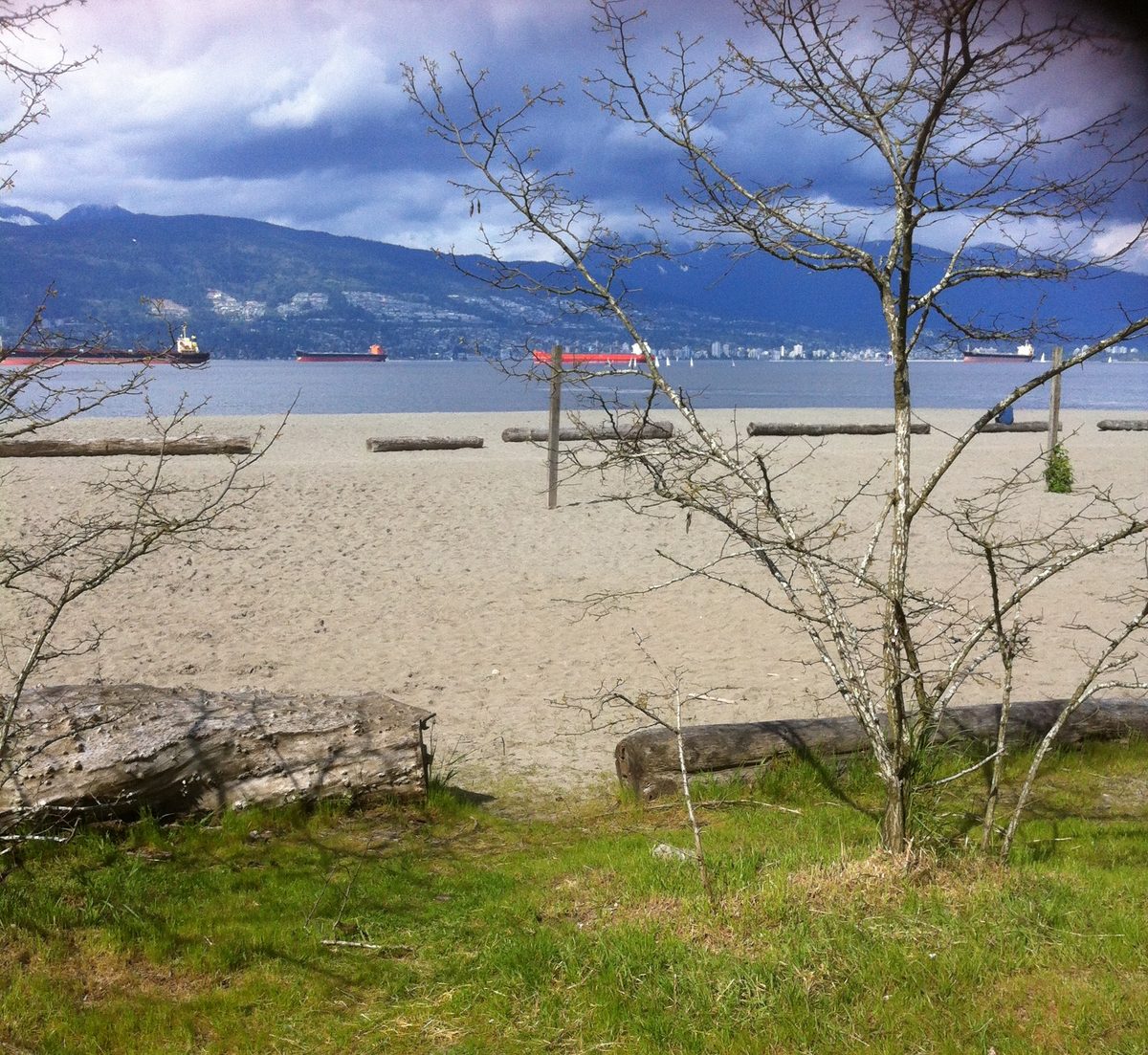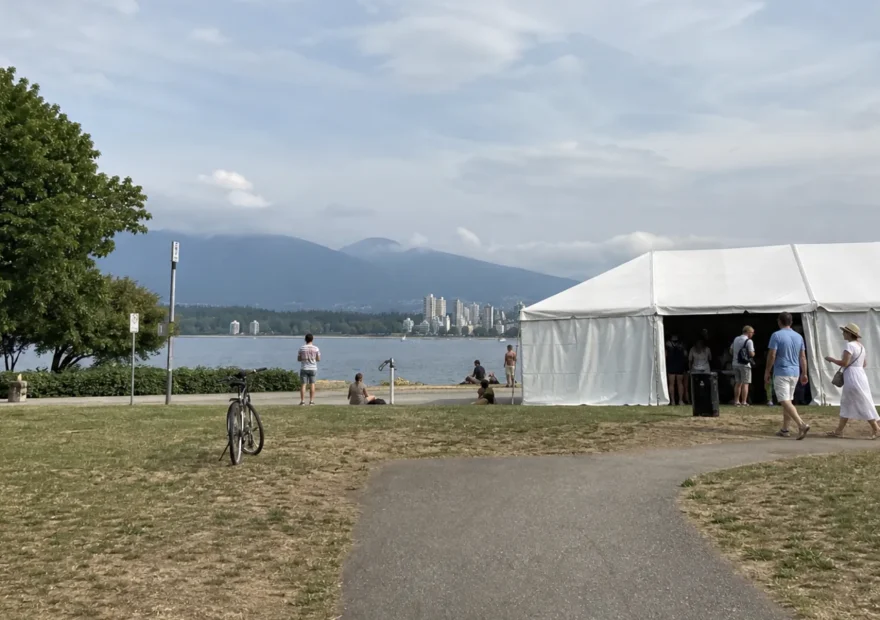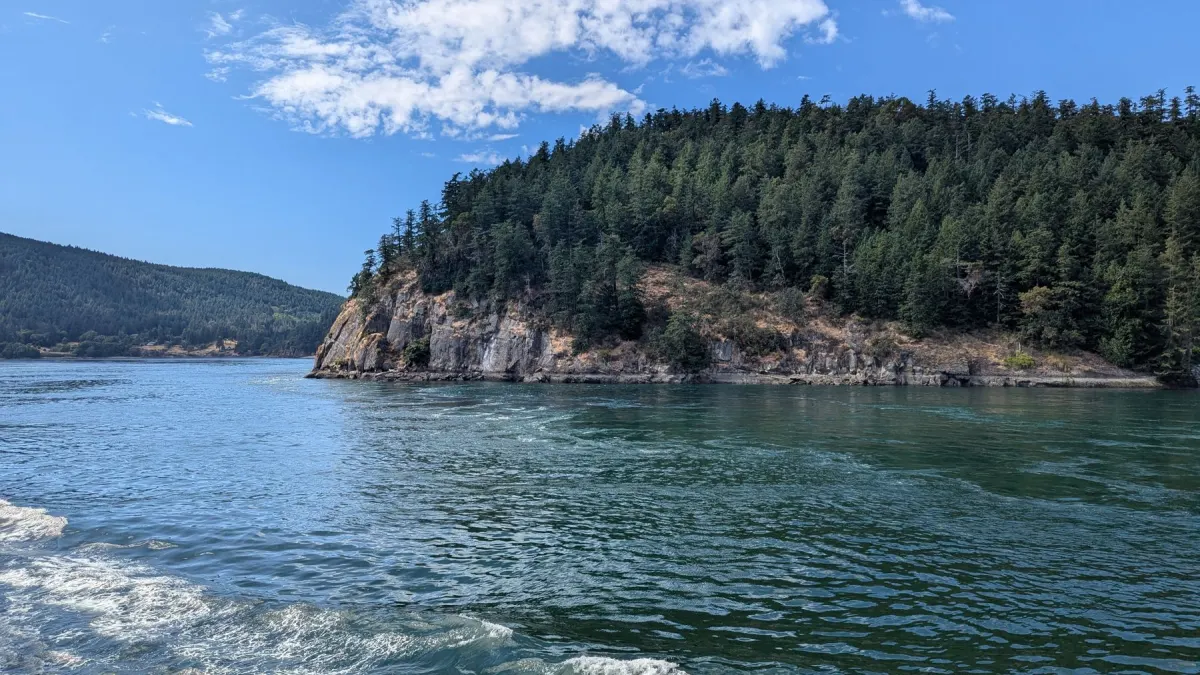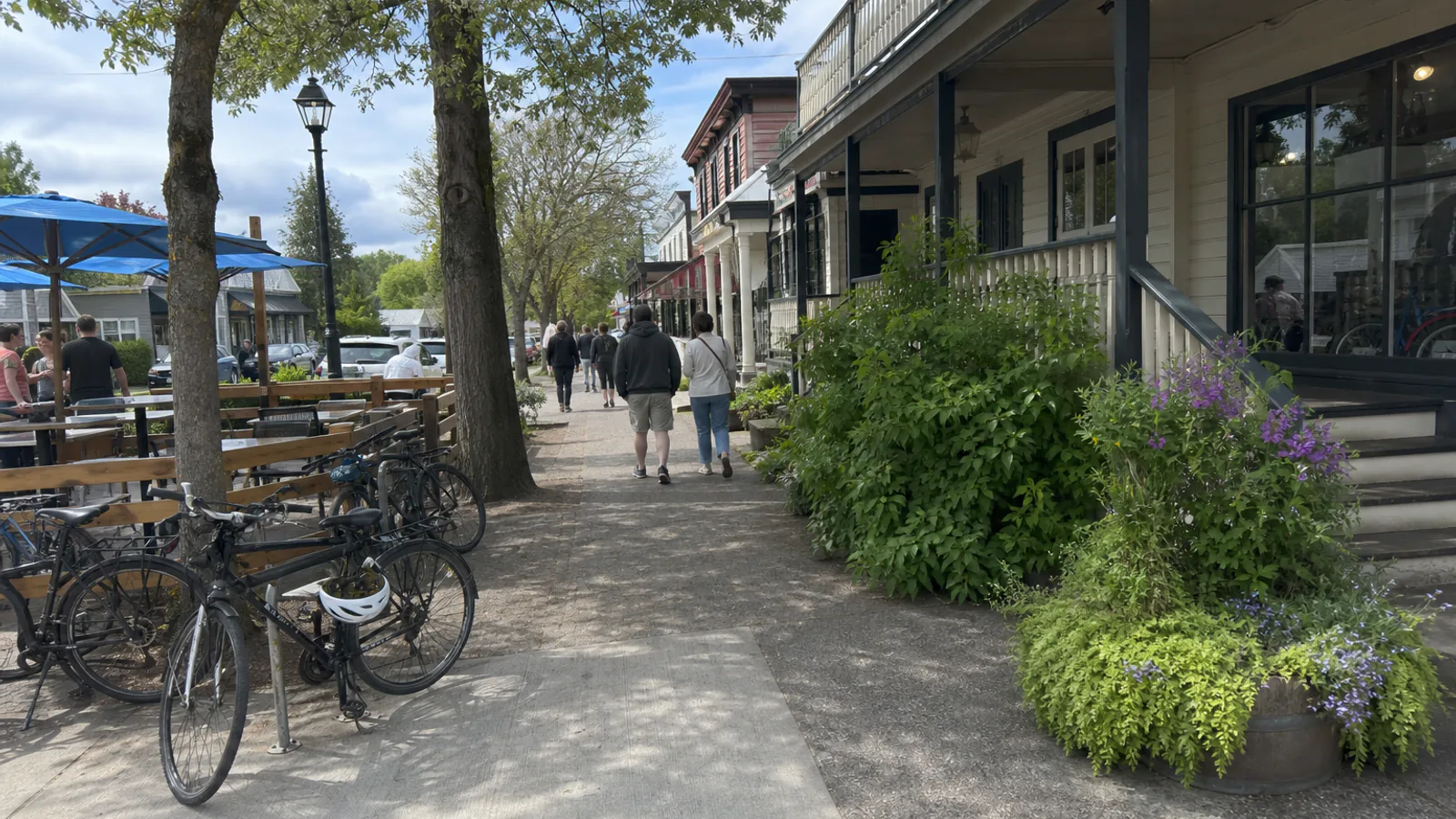
Fort Langley village, the farmland of the Township, craft wineries with tasting rooms, and Campbell Valley Regional Park — Langley as a deliberate change of pace.
Langley sits where Metro Vancouver loosens into the Fraser Valley. Suburban subdivisions cover much of it, but the agricultural land between them is real and easy to reach. A weekend in Langley is slow driving on rural roads, short walks in regional parks, a few farm and winery stops, and meals built around what is in season. It is not a city break or a beach trip, and not an outdoor-adventure destination on the scale of the North Shore. Treat it as a low-intensity Fraser Valley weekend with strong food and a good National Historic Site, and planning gets easier.
Quick answer: who Langley is for
Langley works best for visitors and locals who want a relaxed Fraser Valley itinerary without driving as far as Chilliwack. It is a strong pick if you care about local food, farm gates, a heritage village, regional park trails, and casual wineries and breweries. It is a weaker pick if you need transit-only access, urban nightlife, ocean beaches, or alpine scenery. Families with young kids do well here because most stops are short, flat, and forgiving. Solo travellers without a car will find the experience limited.
Where Langley is and how it fits the region
Langley is southeast of Vancouver, east of Surrey, and south of the Fraser River. It is made up of two separate municipalities that locals often confuse: the City of Langley, a small urban core along Fraser Highway around Willowbrook, and the Township of Langley, a larger rural and semi-rural municipality that wraps around the city and stretches south to the United States border. Fort Langley sits in the Township along the Fraser River. Aldergrove also sits in the Township. Most farms, parks, and wineries are in the Township, not the City.
From central Vancouver, driving time to Langley City is roughly an hour outside peak traffic. From Surrey Central it is about half an hour. From Abbotsford it is about twenty-five minutes west on Highway 1. Across the Fraser to the north is Maple Ridge, and the comparison between the two comes up often. The Maple Ridge guide covers that trade-off.
Fort Langley: the historic village
Fort Langley is the easiest anchor for a Langley weekend. It is a small riverside village built around a National Historic Site and a short main street called Glover Road. The village is walkable, parking is tight on summer weekends, and a full morning or afternoon here is reasonable without padding.
Fort Langley National Historic Site is the obvious draw. It is a reconstructed Hudson’s Bay Company trading post on the original 1858 site, where British Columbia was formally proclaimed a colony. Inside the palisade you will find reconstructed buildings, period exhibits, a blacksmith demonstration on most operating days, and interpretation covering the fur trade, the Sto:lo presence in the Fraser Valley, and the early colonial period. Admission is charged and hours vary by season. Check the Parks Canada Fort Langley page for current hours and admission, and the activities page to time a visit around a seasonal program.
Beyond the fort, the village is worth time on its own. The Langley Centennial Museum sits nearby and shifts exhibits through the year. Glover Road has independent cafes, a bakery line that gets long on summer weekends, an antique store or two, a community hall, and a small handful of restaurants. The riverfront has a short boardwalk and a heritage CN rail station building. The Tourism Langley Fort Langley page is the most reliable single source for current village business listings and seasonal events such as the cranberry festival in autumn.
Farms, markets, and seasonal stops
The agricultural land in the Township is some of the most productive in the Lower Mainland, protected under the Agricultural Land Reserve. From June through October, the farm gate is often the most interesting part of a Langley visit.
Strawberries usually run late May through June. Blueberries hit their stride in July and August, with August generally being the strongest u-pick window. Raspberries fall between the two. Corn arrives in late summer. Pumpkin patches open in late September and run through October. Christmas tree farms operate from late November. Hours vary by farm and by week, depending on how the crop is yielding, so calling ahead or checking a farm’s social feed is more reliable than trusting a website.
The simplest way to plan a farm-stop route is the BC Farm Fresh directory, which lists farm gates by region and crop. Filter by Langley and by the crop you are after. For a Saturday morning, the Fort Langley Farmers Market in the village square is the easiest anchor and is covered in more detail in our Metro Vancouver farmers markets guide. Arrive early. Village parking fills by mid-morning on summer weekends.
Wineries, cideries, and casual food
The Fraser Valley does not compete with the Okanagan on scale, and Township wineries are about a low-key tasting visit, not a destination tour. Several operate between Fort Langley and Aldergrove. Tasting fees and hours change by season, and many restrict tastings to weekends in cooler months. Check the winery’s own page within forty-eight hours of your visit. A two-winery afternoon is the right pace if you also plan to eat and walk the village.
Cideries follow a similar pattern, with apple-based producers operating in the agricultural belt. Breweries are easier to plan around because they keep more consistent hours. Fort Langley has at least one well-established brewery on Glover Road, and the area between Langley City and Aldergrove has several others along Fraser Highway. For a mixed-interest group, a one-winery, one-brewery, one-village plan tends to work better than three of the same.
For sit-down meals, Fort Langley village has the highest concentration of independent restaurants and cafes, and lunch is the easiest meal to plan around. Langley City along Fraser Highway and around Willowbrook covers broader suburban dining. Aldergrove has a small number of casual options. If you only have one meal in Langley, a Glover Road lunch is the safest choice.
Parks, trails, and outdoor stops
Three regional parks anchor most outdoor planning in Langley. None are alpine or coastal, so set expectations toward forest, river, farmland edges, and quiet trails rather than dramatic scenery.
Campbell Valley Regional Park is in south Langley near 16 Avenue. It is one of the larger regional parks in Metro Vancouver, with gravel paths for walking and cycling, a heritage farmstead with restored late nineteenth-century buildings, equestrian access on designated trails, and a wetland boardwalk. It is a good half-day stop and works well for families because most loops are short, flat, and forgiving. Parking is free and there are two main entrances, off 16 Avenue and off 8 Avenue.
Derby Reach Regional Park sits along the Fraser River just west of Fort Langley, a five-minute drive from Glover Road. The Houston Trail loop runs through second-growth forest and is a reasonable hour-long walk. The Edgewater Bar section along the river is a popular fishing and picnic spot. If you only have time for one park near Fort Langley, Derby Reach is the obvious one.
Aldergrove Regional Park sits on the boundary with Abbotsford. It is smaller, but includes a popular summer swim and water-play area run by the regional district, plus forested trails and cyclist access. It is the most family-oriented of the three in summer because of that water feature, though capacity is limited and lines are common on hot weekends.
Beyond the regional parks, the Township maintains municipal parks, sports fields, and shorter trails. The Township parks, trails and amenities page is the most reliable index, with current closure and condition notices.
Family-friendly Langley ideas
Langley is one of the easier Fraser Valley areas for a family weekend. A Saturday with younger kids could pair a morning at Fort Langley National Historic Site, which has short interpretive stations, with an afternoon at Derby Reach for a short river walk and a picnic. A Sunday could pair a u-pick stop in season with Campbell Valley Regional Park, which has stroller-friendly paths and a heritage farmstead that older kids tend to like.
In pumpkin season, corn-maze farms can fill a half-day. Bring layers and rubber boots because the fields get muddy. In summer, the Aldergrove pool area is the closest thing Langley has to a beach day, and it works for kids who are not yet open-water swimmers. If your kids want a hands-on farm visit, the open farms during BC Farm Fresh Circle Farm Tour windows are a reliable way to find ones welcoming families on a given weekend.
Transit limitations and car-free cautions
Langley is primarily a car-based destination, and this is the most common point of friction for visitors used to planning a Vancouver weekend on transit. The Surrey Langley SkyTrain extension is under construction along Fraser Highway, with stations planned through to Langley City. Until it opens, transit access relies on TransLink bus routes, and only some of those reach the parts of Langley most visitors want to see.
The 501 from King George SkyTrain in Surrey is the workhorse route to Langley City. From Langley City, transfers are required to reach Fort Langley, Aldergrove, or the rural Township. Routings and headways change over time, so confirm a current itinerary with the TransLink trip planner. Weekend service is more limited than weekday service, and the last buses back from the rural areas often run earlier than people expect.
Without a car and only a day, Fort Langley village by transit plus a single park near the bus route is a realistic itinerary. A full farm and winery loop without a car is not. For the budget angle across the region, our free and cheap Metro Vancouver guide sets reasonable expectations.
Driving and parking notes
Driving in Langley is straightforward outside peak commuter hours. Highway 1 cuts across the Township and is the fastest route between Vancouver and eastern Langley. Fraser Highway runs through Langley City and is the main commercial corridor. Glover Road from Highway 1 north reaches Fort Langley. The numbered grid in the rural Township is logical, but GPS is useful for farm gates off the main roads.
Parking in Fort Langley village is the most common pain point. Municipal lots and street parking fill by late morning on summer Saturdays. Arriving before ten or after three is the practical workaround. Farm parking is usually on-site and free but limited at smaller operations. Regional park parking is free at most lots.
A one-day Langley itinerary
A single-day plan that prioritizes Fort Langley and one good park, with one food or drink stop. Adjust by season and group preference.
- Arrive at Fort Langley village before 10 in summer, by 11 in shoulder season. Park in the village.
- Visit Fort Langley National Historic Site. Allow ninety minutes to two hours, longer if a demonstration is running.
- Walk Glover Road and have lunch in the village. Pace yourself, this is the highlight meal of the day.
- Drive five minutes to Derby Reach Regional Park. Walk the Houston Trail loop or the river-edge path. Allow ninety minutes.
- Stop at one farm gate or one winery on the way back, in season. Keep this stop to under an hour.
- Return to your base before evening traffic on Highway 1.
A weekend Langley itinerary
A two-day plan that takes the village, parks, and farm and winery stops at a calmer pace, with one base in Langley or Surrey.
Saturday: Start at the Fort Langley Farmers Market early. Visit Fort Langley National Historic Site late morning. Lunch in the village. Mid-afternoon, drive to Campbell Valley Regional Park and walk one of the loops. Dinner in Langley City along Fraser Highway, where the range of options is widest.
Sunday: Slow breakfast at your base. Mid-morning, head into the rural Township for one farm gate and one winery tasting, planned ahead. Lunch at the winery or in Aldergrove. Afternoon at Aldergrove Regional Park if the pool area is open, or at Derby Reach if it is not. Light dinner near the highway before heading home.
If you want to add a third day or stretch the trip into a broader Lower Mainland weekend, the weekend Metro Vancouver visitor guide covers how to pair a Langley day with city sights and the North Shore.
Langley vs Maple Ridge, Surrey, Coquitlam, and the Tri-Cities
Choosing between Langley and its neighbours is mostly about what you want the weekend to feel like. Treating these places as interchangeable suburbs is the most common visitor mistake.
Langley is the agricultural-tourism, farm-gate, winery-and-village option. Maple Ridge is the outdoor-park option, anchored by Golden Ears Provincial Park and the Alouette dyke trails. If you want forest and mountain access more than farms, Maple Ridge wins. If you want food, drink, and a heritage village, Langley wins.
Surrey, Delta, and White Rock are the bigger, more transit-connected option to the west, with more free attractions, more density, beaches around White Rock and Boundary Bay, and a more diverse food scene, especially for South Asian cuisine. If your priority is variety and low-cost activities, our Surrey, Delta, and White Rock free things to do guide is the better starting point.
Coquitlam and the Tri-Cities sit between Vancouver and the rural Fraser Valley. They offer urban convenience, SkyTrain access, and trail networks like Burke Mountain and the Shoreline Trail in Port Moody, but they lack Langley’s agricultural setting. If you want a base that mixes city day trips and short outdoor stops, the Coquitlam guide and Tri-Cities guide are the right reference.
What to pair nearby
Langley pairs cleanly with three other places. Abbotsford to the east continues the Fraser Valley agricultural theme and has a small downtown. Maple Ridge to the north across the Fraser is the closest outdoor counterpart. Surrey and White Rock to the west add transit and coastal access. The Albion Ferry no longer operates between Maple Ridge and Fort Langley, so the closest river crossing to the village is the Golden Ears Bridge, a few kilometres west. Plan that crossing into your route if you are looping Langley and Maple Ridge in one trip.
Mistakes to avoid
- Treating Langley City and the Township of Langley as the same place. They are not, and getting them confused leads to wasted driving time.
- Assuming Fort Langley is one neighbourhood among many. It is the heritage anchor and worth a deliberate visit, not a passing detour.
- Planning a farm-and-winery weekend without a car. Transit will not get you to most of these stops.
- Showing up at the village at noon on a summer Saturday without a parking plan. Earlier or later is much easier.
- Booking a single winery visit for half a day. Two well-chosen stops over an afternoon is the right pace.
- Trusting a year-old hours listing. Farm and winery hours change with the season and sometimes within the week.
- Skipping the regional parks because you are focused on the village. Pairing one park with the village is the strongest one-day shape.
FAQ
Can I do Langley as a day trip from downtown Vancouver?
Yes. With a car, a one-day itinerary anchored on Fort Langley and one regional park is reasonable from downtown Vancouver. Allow roughly an hour each way and avoid the worst of the morning commuter window.
Is Fort Langley National Historic Site worth the admission?
For visitors interested in BC history, the fur trade era, or early colonial Canada, yes. The site is staffed and interpretation is solid. A ninety-minute to two-hour visit is the typical pace. Check the Parks Canada page for current hours and admission.
When is the best time of year to visit Langley?
Late June through early October is the strongest window because farms, markets, and parks are all in season. July and August are peak for berries. September brings cooler walks and the start of cranberry and pumpkin season. May and November have fewer farm options but quieter villages and parks.
Is Langley a good base, or should I stay elsewhere?
Langley has limited accommodation compared with Surrey, Vancouver, or Abbotsford. Most visitors base in one of those and treat Langley as a day or two of activities. The Township is a fine quieter base if you want farms and parks at the doorstep, but expect to drive for nearly every meal.
How is Langley different from Maple Ridge?
Langley leans toward farms, wineries, and a heritage village. Maple Ridge leans toward outdoor parks, especially Golden Ears Provincial Park. Couples on a food and drink weekend usually pick Langley. Groups oriented around hiking and lakes pick Maple Ridge.
Can I get to Langley by transit?
You can reach Langley City on the 501 from King George SkyTrain in Surrey, with other routes serving parts of the Township. Coverage to Fort Langley and the rural Township is limited and involves transfers. The Surrey Langley SkyTrain extension is under construction along Fraser Highway. Confirm any itinerary with the TransLink trip planner.
Are Langley wineries open year-round?
Most are open in some form year-round, but hours contract in winter and on weekdays, and several are weekends-only outside summer. Confirm hours on the winery’s own page within a day or two of your visit.
Is Langley family-friendly?
Yes, particularly for younger kids. The fort, the village, the regional parks, the u-pick farms, and the Aldergrove summer pool area are all family-friendly. Most attractions are short, flat, and forgiving.
Final advice
Treat a Langley weekend as a slow-paced Fraser Valley plan, not a packed sightseeing run. The strongest version pairs Fort Langley village and the National Historic Site with one regional park, one farm or market stop, and one casual meal. Confirm hours for the fort, any winery, and any farm gate close to your visit. Bring layers and rubber boots in spring and fall, and a parking plan for the village. Build the rest around what is in season, and Langley will reward the trip without asking too much of the itinerary.
Travel details change. YVRBlog aims to use official sources and show the review date above. If something has changed, please contact us.