Build family days around one area, leave room for weather, and choose attractions by age and energy level. This guide covers transit, neighbourhoods, indoor backups, and realistic pacing.
Vancouver works well for families because outdoor time, transit, beaches, markets, and major attractions can fit into the same trip. The challenge is pacing. Distances look small on a map, but seawall walks, bridges, ferry waits, and mountain weather can turn an ambitious list into a long day.
The best family strategy: one area per half-day
Choose a morning area, take a real lunch break, and decide whether the afternoon should continue nearby or switch to an indoor plan. A family itinerary improves when it includes places to stop, washrooms, food, and an easy exit—not only headline attractions.
Stanley Park and the West End
Stanley Park can fill a few hours or most of a day. Families can walk or cycle a section of the seawall, visit beaches and playgrounds, and add the Vancouver Aquarium if it fits the budget and interests.
Do not assume everyone needs to complete the entire seawall loop. Choose a section, confirm closures, and keep enough energy for the return. The West End provides food and transit options outside the park.
Granville Island and False Creek
Granville Island gives families a market, waterfront activity, shops, food counters, and small passenger ferries. It is easier when you arrive earlier, set a meeting point, and avoid expecting a stroller to move quickly through peak market crowds.
A False Creek ferry ride can be an activity and transportation at the same time. Check the operator’s route and accessibility details before relying on it with a large stroller or mobility device.
Science World and Olympic Village
Science World is a strong indoor choice for younger children and school-age visitors. The surrounding False Creek seawall and Olympic Village make it possible to add outdoor time without another long transfer. Timed entry, special exhibitions, and hours can change, so book or verify ahead.
North Shore nature
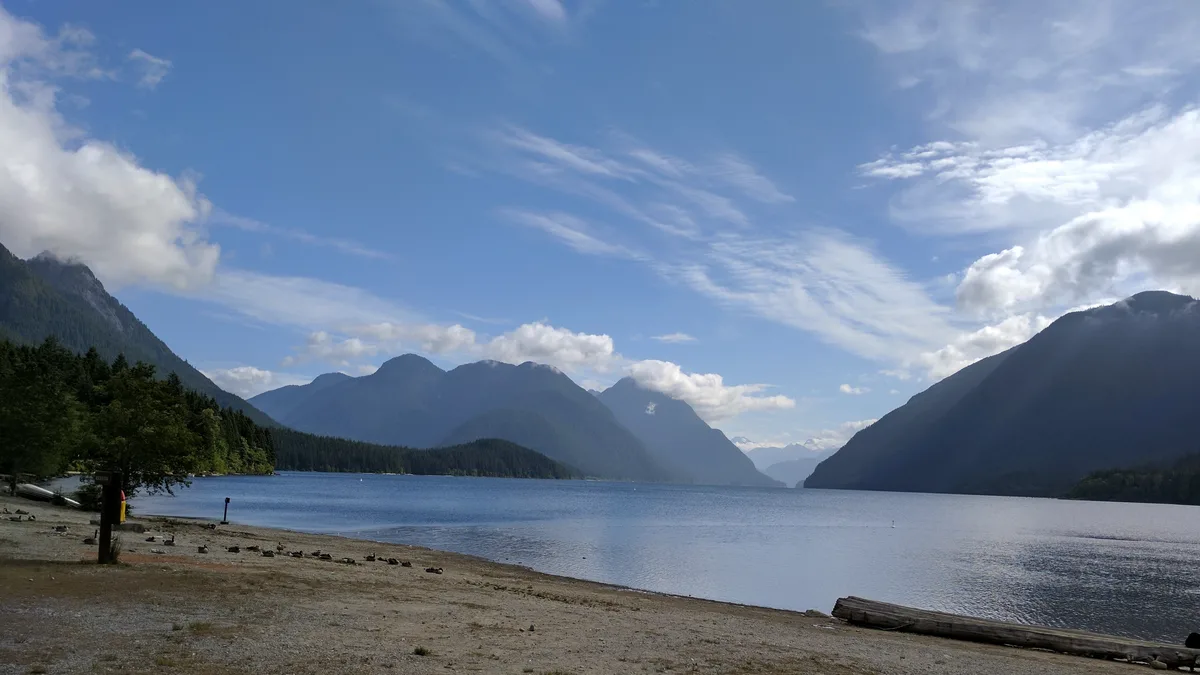
The North Shore offers forests, mountain views, and suspension-bridge experiences, but conditions differ from downtown. Weather can be cooler and wetter, and trail difficulty is easy to underestimate.
Choose a destination that fits the youngest walker, check official trail or attraction notices, and bring layers. A SeaBus ride to Lonsdale Quay and time at the Shipyards can provide a simpler North Shore day without committing to a long hike.
Beaches and pools
English Bay, Second Beach, Kitsilano, Jericho, and Spanish Banks offer different combinations of sand, views, playgrounds, and facilities. Water conditions, lifeguard service, pool openings, and parking vary by season.
Bring sun protection and a warmer layer. Pacific water is cold, and a windy beach can feel much cooler than downtown streets.
Getting around as a family
SkyTrain is useful between YVR, downtown, Richmond, Burnaby, and other regional centres. SeaBus connects Waterfront Station with Lonsdale Quay. Buses fill the gaps, while walking and passenger ferries work well around the centre.
Children 12 and under can ride TransLink free when accompanied by a fare-paying customer, subject to TransLink’s current conditions and group limit. Confirm the rule on the official fare page before travel.
Where to stay with kids
- West End: good for parks, beaches, and a quieter evening.
- Downtown core: good for transit and short trips, but compare street noise.
- Yaletown: good for the seawall, Science World access, and family-friendly walking routes.
- Coal Harbour: good for waterfront walks and Stanley Park, usually at a higher price.
- Richmond near the Canada Line: good for airport convenience and food-focused stays.
Look for room layout, refrigerator access, laundry, pool hours, breakfast terms, and the walking route from the station—not only the advertised neighbourhood.
Rainy-day backups
- Science World.
- Vancouver Aquarium.
- Museum of Vancouver or H.R. MacMillan Space Centre, depending on age and current programming.
- Public libraries and community-centre drop-in activities.
- A market or food-hall visit paired with a short transit ride.
Check current hours and ticket requirements. Keep one indoor option close to each day’s outdoor area so poor weather does not require crossing the city.
Family event tips
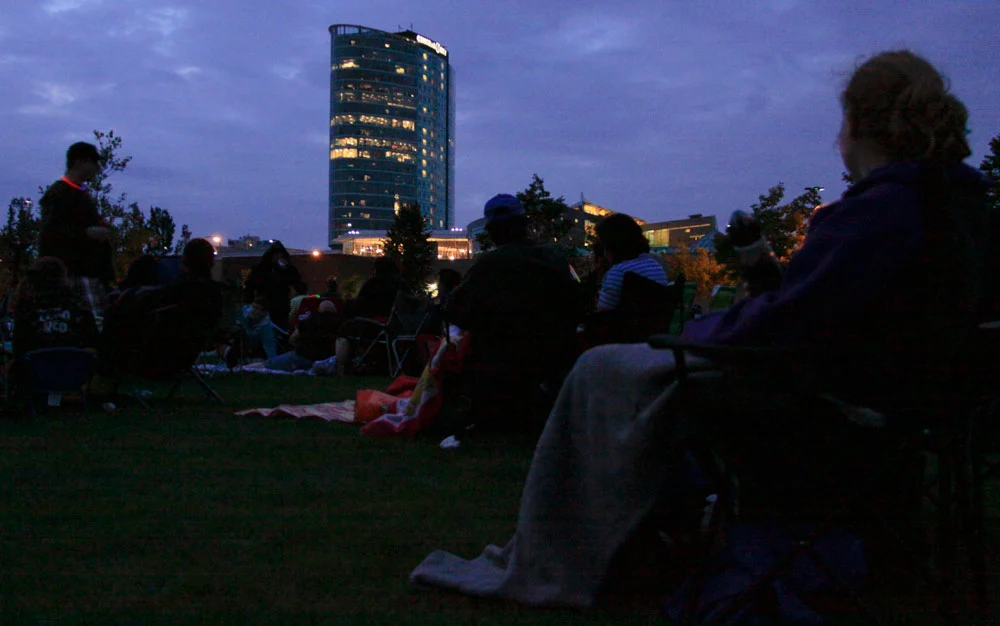
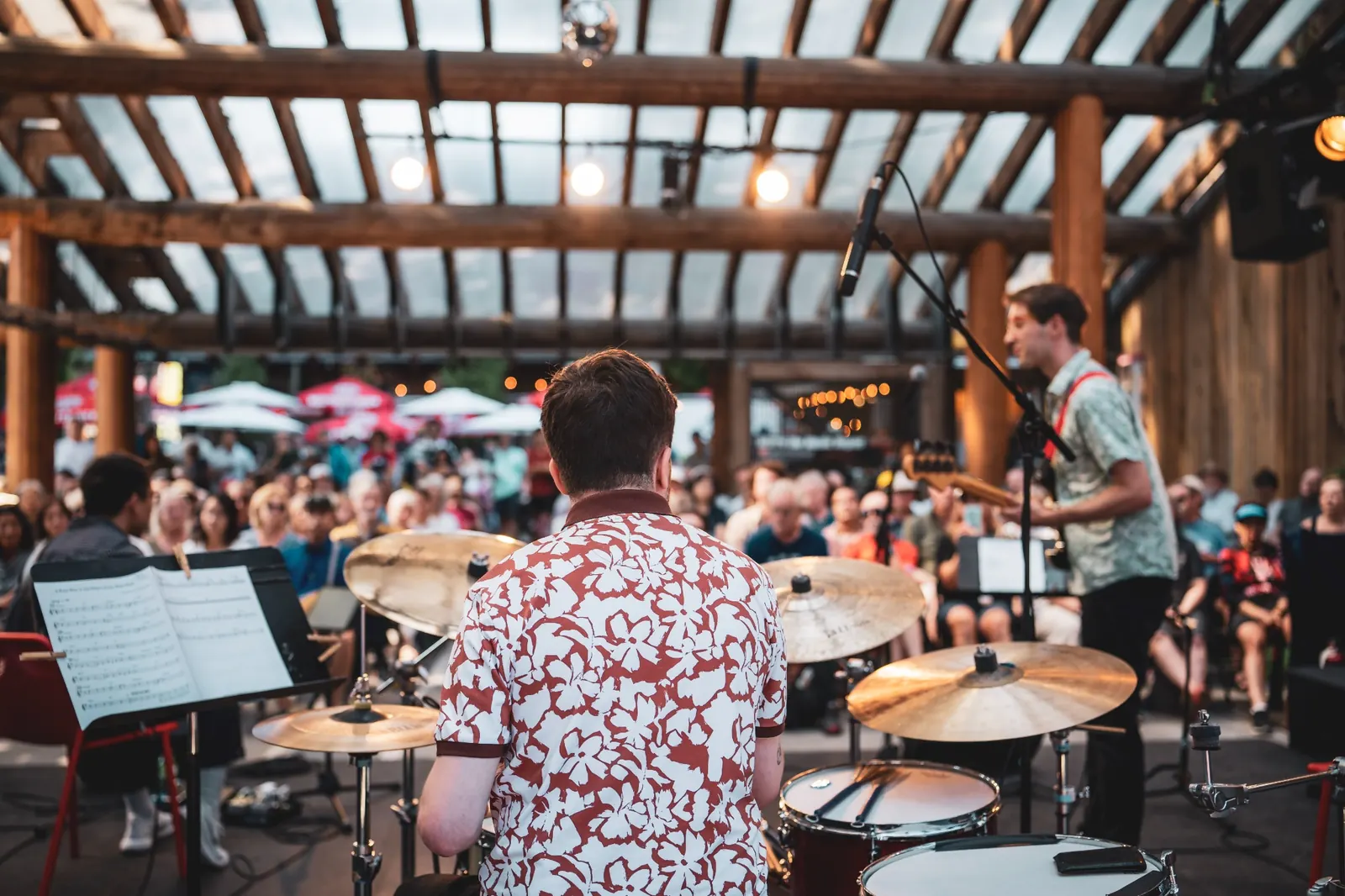
For concerts, games, and festivals, check stroller rules, bag limits, re-entry, hearing protection, and washroom locations before arrival. Feed younger children before the busiest period and identify a meeting point in case the group separates.
If the event is at BC Place, our BC Place transport guide covers station access, walking, parking, and event-day timing.
Frequently asked questions
How many days work well for Vancouver with kids?
Three or four days allow families to combine downtown, Stanley Park, False Creek or Granville Island, and one North Shore or beach day without rushing.
Do families need a car?
Not for a central Vancouver trip. Transit and walking cover many popular areas. A car can help with regional outings, but parking and child-seat logistics may outweigh the benefit downtown.
What should families pack?
Comfortable shoes, a light waterproof layer, sun protection, a warmer layer, a refillable bottle, and a small activity for waits. Add event-specific items only after checking venue rules.
Travel details change. YVRBlog aims to use official sources and show the review date above. If something has changed, please contact us.