Planning the trip from Canada Place to YVR after your Vancouver cruise? Use this practical guide to choose a realistic flight window, handle luggage, compare the Canada Line with a taxi, and avoid a rushed disembarkation.
A ship can reach Vancouver early and still leave you short of time for an early flight. You have to disembark, find your bags, reach YVR, meet the airline’s cutoffs, and clear screening in that order. This guide helps you choose a flight window that leaves room for the morning to be ordinary, not perfect.
The common mistake after a Vancouver cruise is treating Canada Place to YVR as one fixed travel time. The Canada Line can be straightforward on a quiet day. Your morning may also include a wait for colour-coded luggage, a slow walk through the terminal, a taxi queue, or an airline counter that closes earlier than you expected.
This article cannot promise that a particular flight is safe. The cruise line controls disembarkation, the airline controls check-in and baggage cutoffs, and YVR controls the airport process. Check those instructions on the day. The point here is to show where the uncertainty lives so you can leave some room for it.
Work backward from the airport deadline
Start with the airport arrival time your airline recommends, then work backward. Add the terminal exit, the transfer, finding the right level at YVR, bag drop, and security. Only then decide whether the flight fits the disembarkation plan.
| Flight situation | Planning approach | What can make it uncomfortable |
|---|---|---|
| Early morning departure | Usually treat it as a separate hotel-night decision rather than a same-morning cruise transfer. | Ship disembarkation may not begin when the vessel docks, and a taxi or train cannot remove a terminal queue. |
| Late morning departure | Use only if your cruise line offers a suitable early exit and you can carry or quickly reclaim your bags. | One slow luggage release, traffic delay or airline cutoff can remove the entire buffer. |
| Early afternoon departure | Often the most workable same-day window, subject to the cruise line’s instructions and your destination. | Large ships, multiple sailings, U.S. pre-clearance and checked luggage can still take longer than expected. |
| Later afternoon or evening departure | Gives you room for a normal disembarkation, a meal or a short Vancouver stop. | You still need a plan for bags and a place to wait if your hotel cannot hold them. |
Do not build your booking around someone else’s “we made it in forty minutes” story. That may have meant self-carry luggage, an empty station, no checked bags, and a domestic flight. Your group may have different bags, assistance needs, or a U.S. departure with extra processing at YVR.
Before booking, write down the deadlines
Write these down together instead of relying on the ship’s advertised arrival time:
- Disembarkation release: when your cruise line says your group may leave the ship.
- Luggage availability: whether you are carrying every bag off or collecting tagged bags in the terminal.
- Airline cutoff: the latest time your airline accepts check-in and checked baggage for that flight.
- Airport arrival target: the time your airline or YVR recommends for your domestic, U.S. or international departure.
The fourth deadline is not interchangeable with boarding time. YVR’s travel-planning guidance currently tells passengers to allow at least two hours before domestic flights and at least three hours before U.S. and international flights, while also directing travellers to confirm airline-specific advice. Those are airport-planning benchmarks, not permission to schedule a tight cruise connection.
Check your airline’s flight page a few days before sailing. Counter opening, bag-drop cutoffs, document checks and operational advice can differ by carrier and destination. If you are travelling on separate tickets, give yourself more protection: the cruise and airline will not coordinate delays for you.
Choose your disembarkation style before you leave the ship
Self-carry or express disembarkation
With self-carry, you keep your luggage and leave when the ship permits that group to disembark. This can be useful when your flight is earlier in the day because you are not waiting for a suitcase section to be opened. The trade-off is physical: you must move every bag through the ship, terminal and street or station yourself.
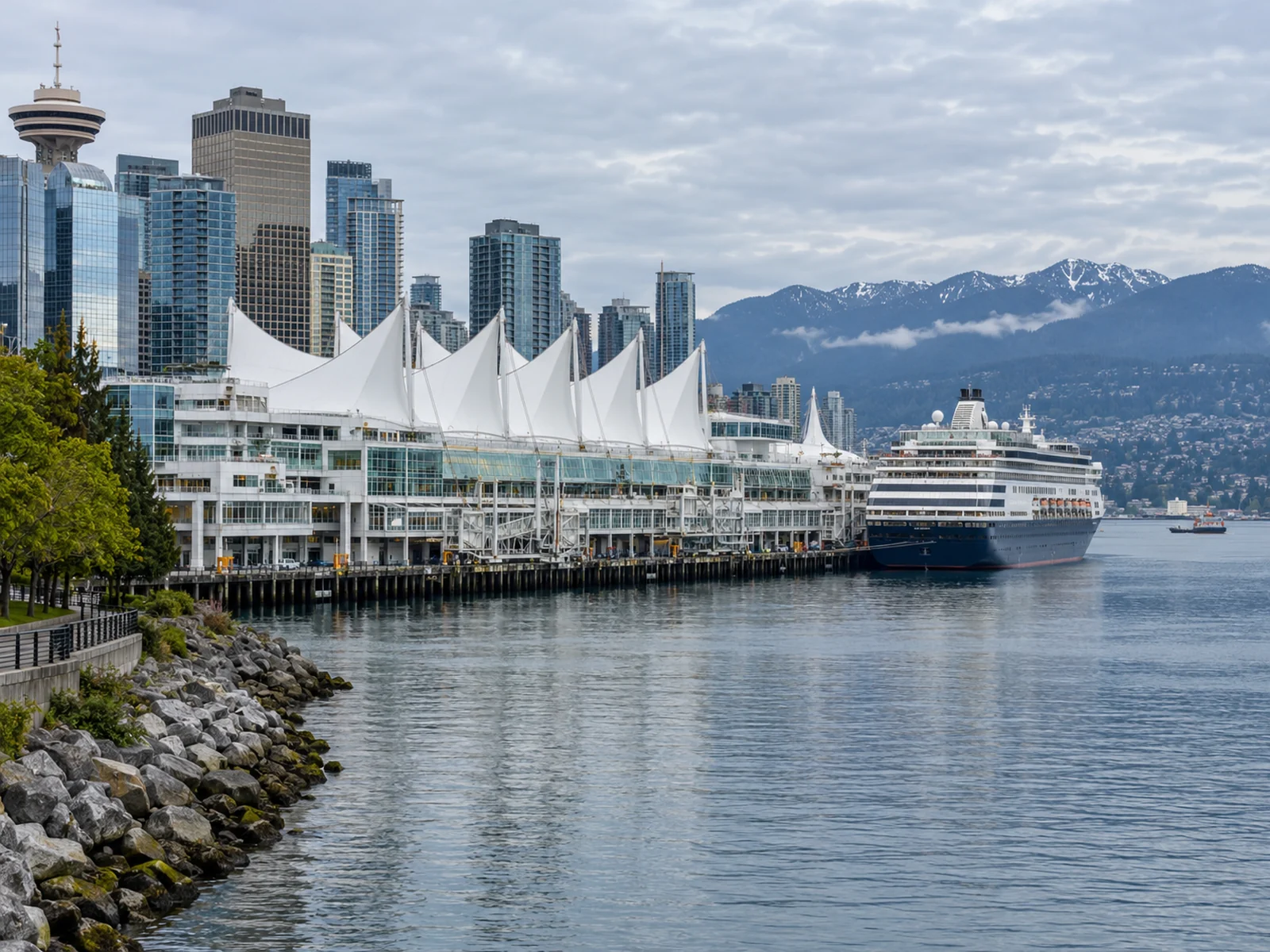
Do not choose self-carry simply because someone online called it faster. A large suitcase, a stroller, a wheelchair or a passenger who is unsteady on stairs can make it slower and more stressful. Ask the cruise line whether your luggage size and mobility needs fit its self-carry rules.
Tagged luggage
With tagged luggage, you normally place bags outside your cabin by the cruise line’s stated deadline, then collect them in the terminal after leaving the ship. It is easier for many travellers, but it creates a second dependency: your airport trip cannot start until the bags are located and loaded.
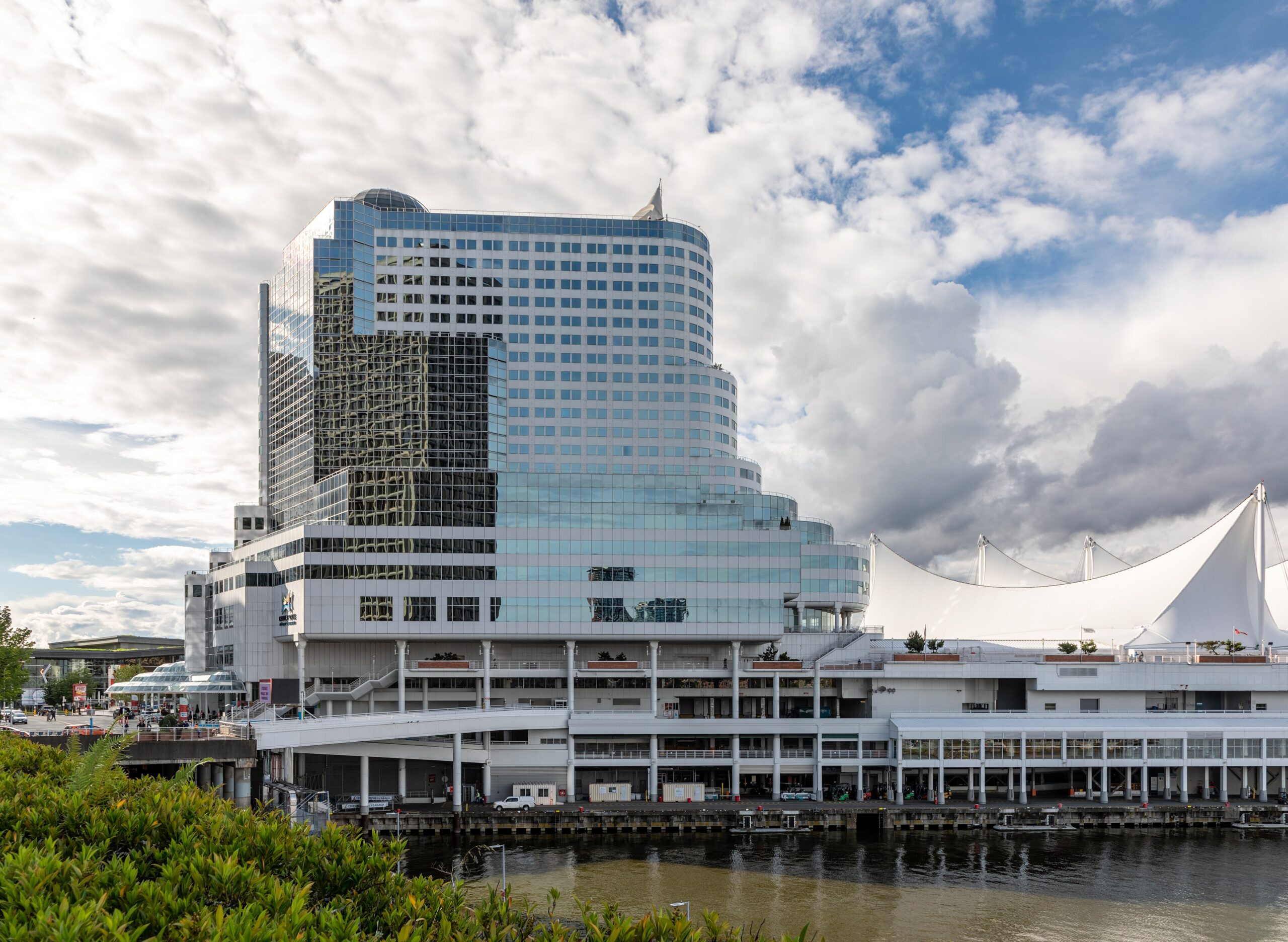
Keep passports, medication, keys, electronics, one change of clothes and anything needed for the flight in your hand luggage. Never put those items in a suitcase that will be separated from you overnight. Photograph your luggage tags before handing bags over; it makes finding the correct section easier when you are tired.
What the morning usually involves
The exact sequence varies by ship and sailing, but the decisions are similar:
- Wake before the rush. Check the cruise line’s morning notice and confirm that your flight plan still matches the assigned disembarkation group.
- Finish the onboard account and cabin check-out. Do not leave passports or a phone charger behind while trying to beat a queue.
- Leave the ship when called. If you are using tagged bags, follow the assigned luggage instructions rather than joining an earlier group that cannot collect them.
- Complete the terminal process. Follow the cruise line, CBSA and terminal directions; do not assume a previous visit used the same lane.
- Collect and identify luggage. Check the tag and cabin details before leaving the luggage area.
- Choose the transfer that fits the remaining buffer. Waterfront Station is nearby, but a taxi may be more sensible with several bags or mobility equipment.
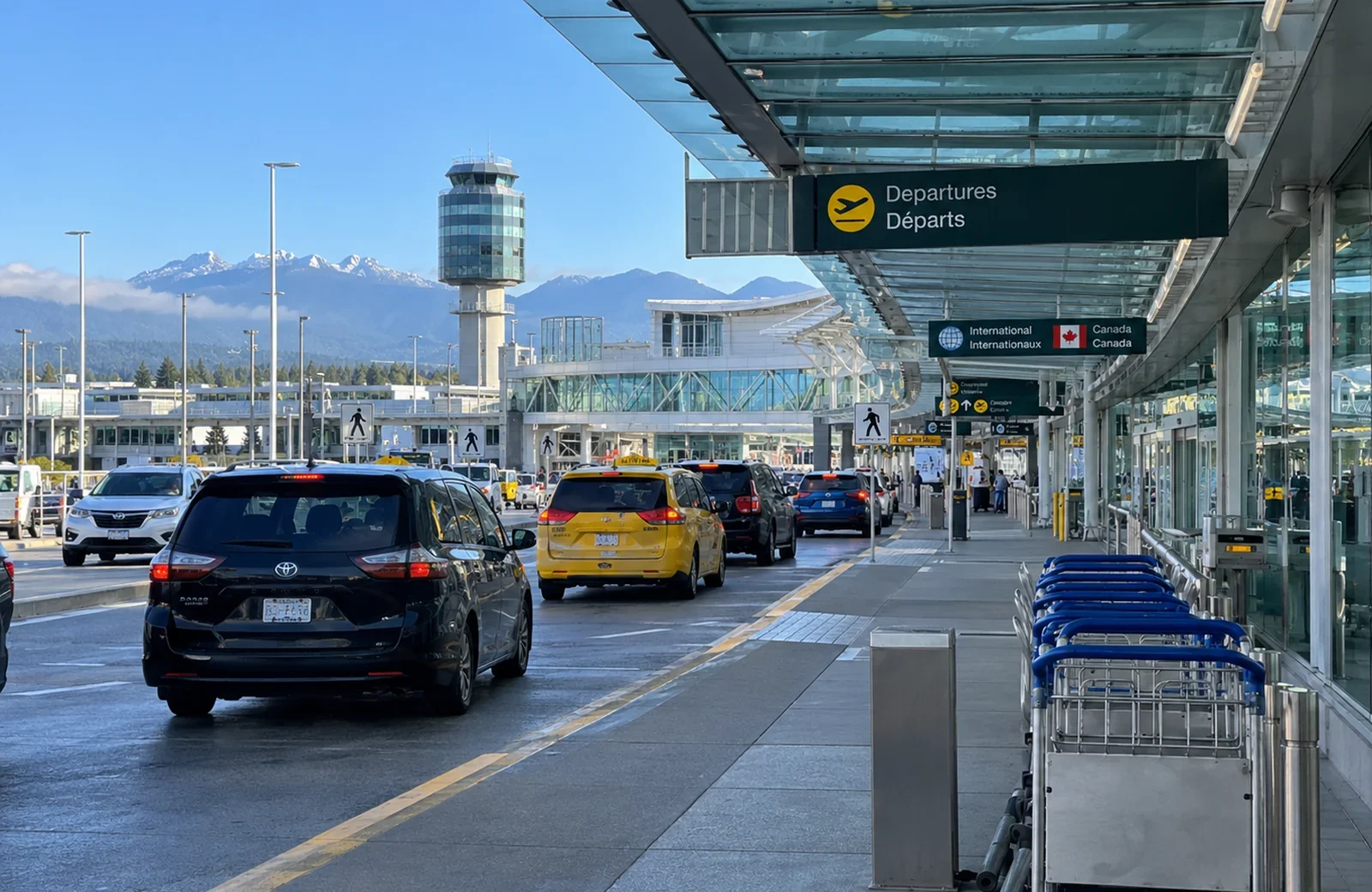
- Arrive at the correct YVR level. Departures check-in is on Level 3; confirm your airline and destination signage before unloading.
The important point is that the Canada Place-to-YVR trip starts after step five, not when the ship first touches the dock.
Choosing the transfer to YVR

Canada Line: predictable when everyone can manage the walk
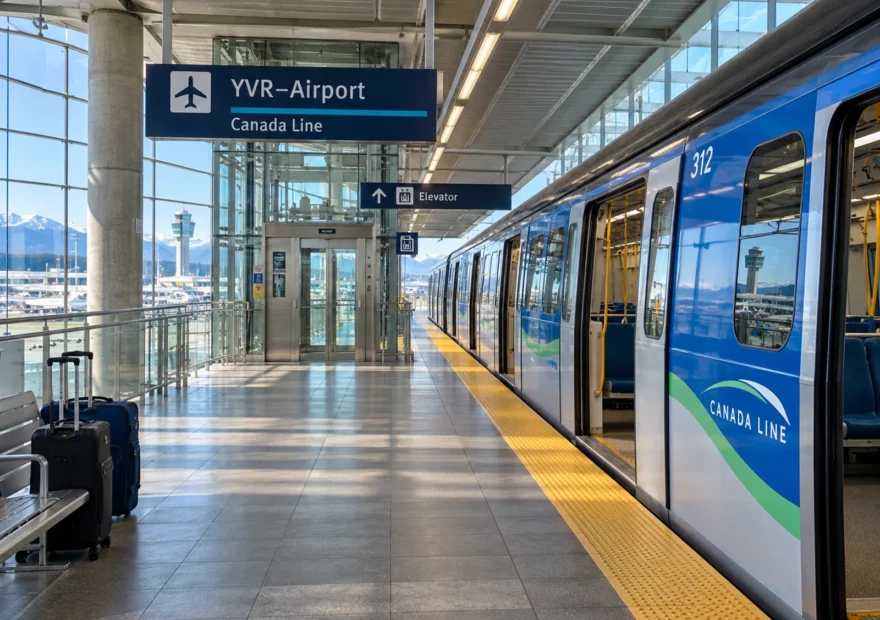
Waterfront Station is approximately a short walk from Canada Place, and TransLink lists Canada Place-to-YVR routing in its visitor trip-planner options. The Canada Line then runs toward YVR-Airport. It is attractive because it avoids road traffic and does not require negotiating a pickup point while several cruise groups are leaving.
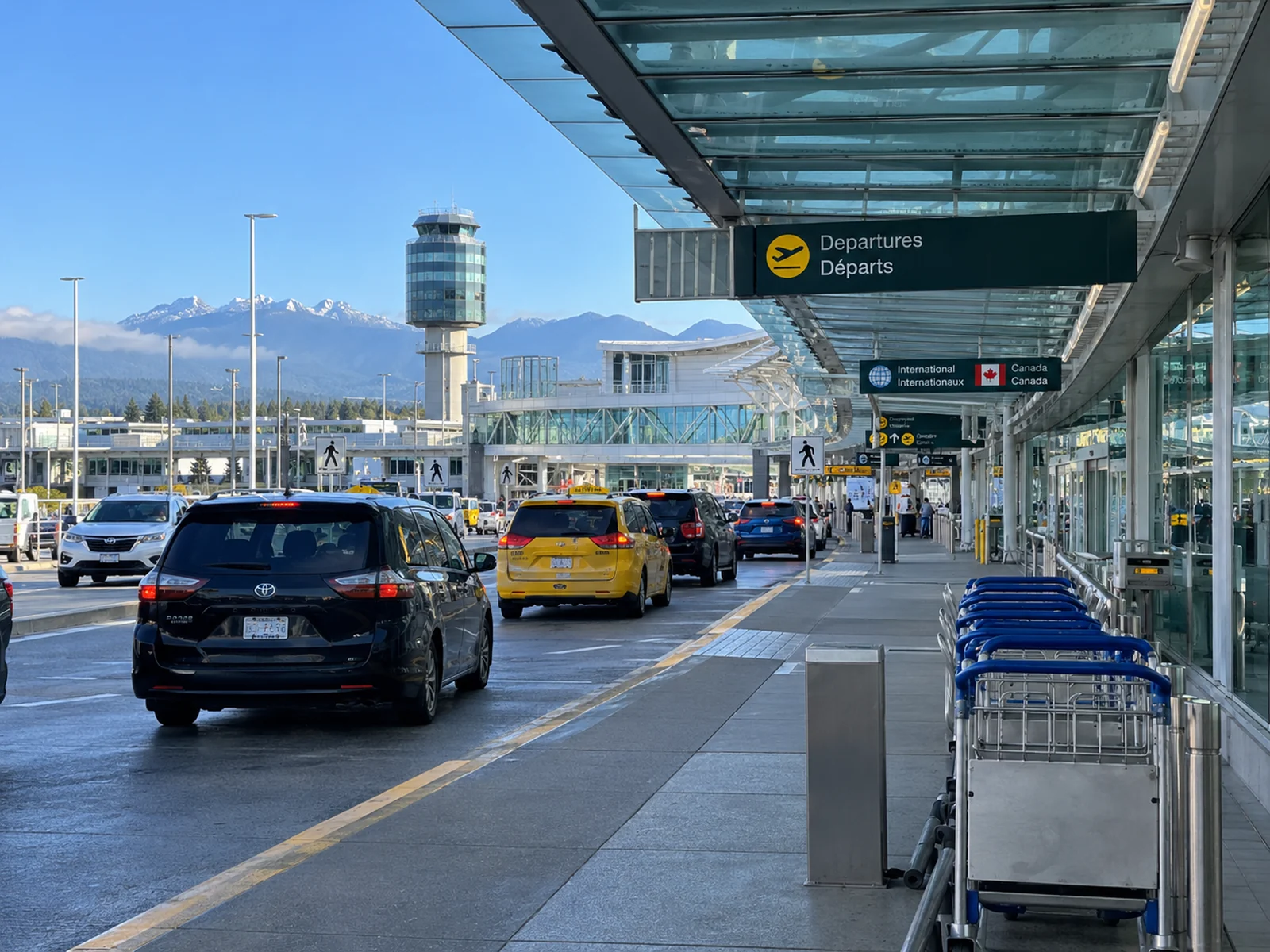
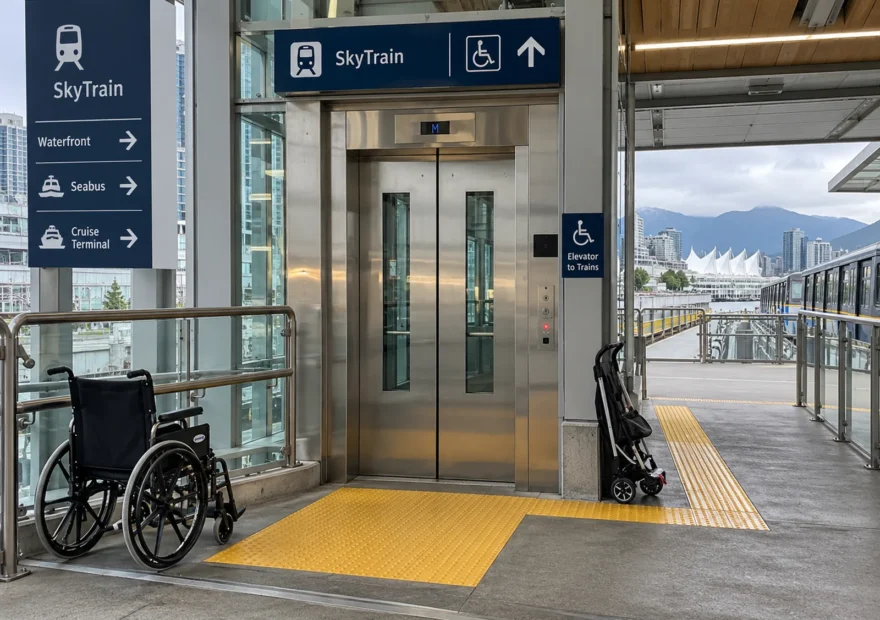
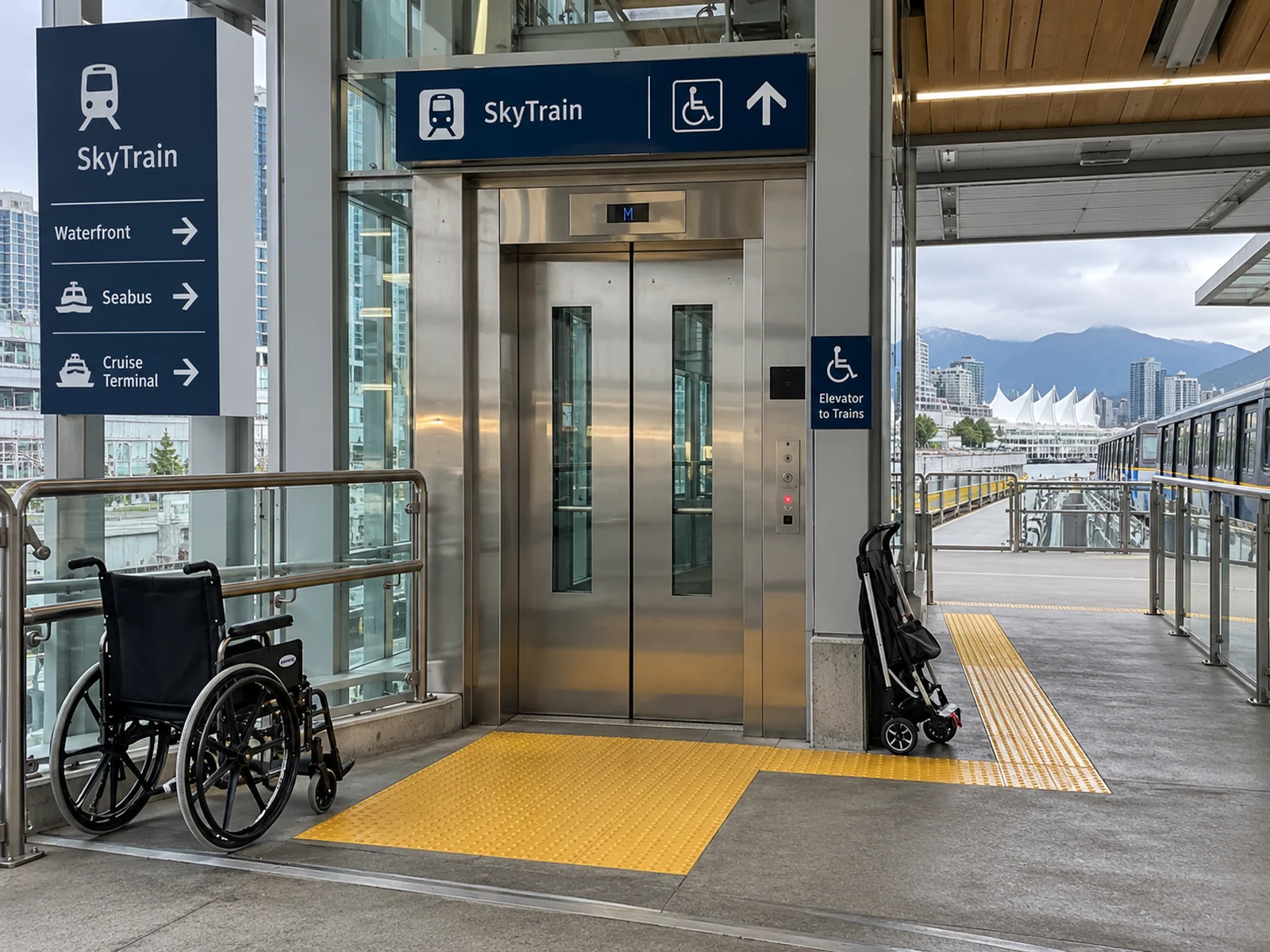
It is not door-to-door. You still need to get from the terminal to the correct station entrance, move bags through the station and board a train with enough room for the group. Check the elevator route if someone cannot use stairs, and allow extra time if you have a folded wheelchair, several large cases or children who cannot walk quickly.
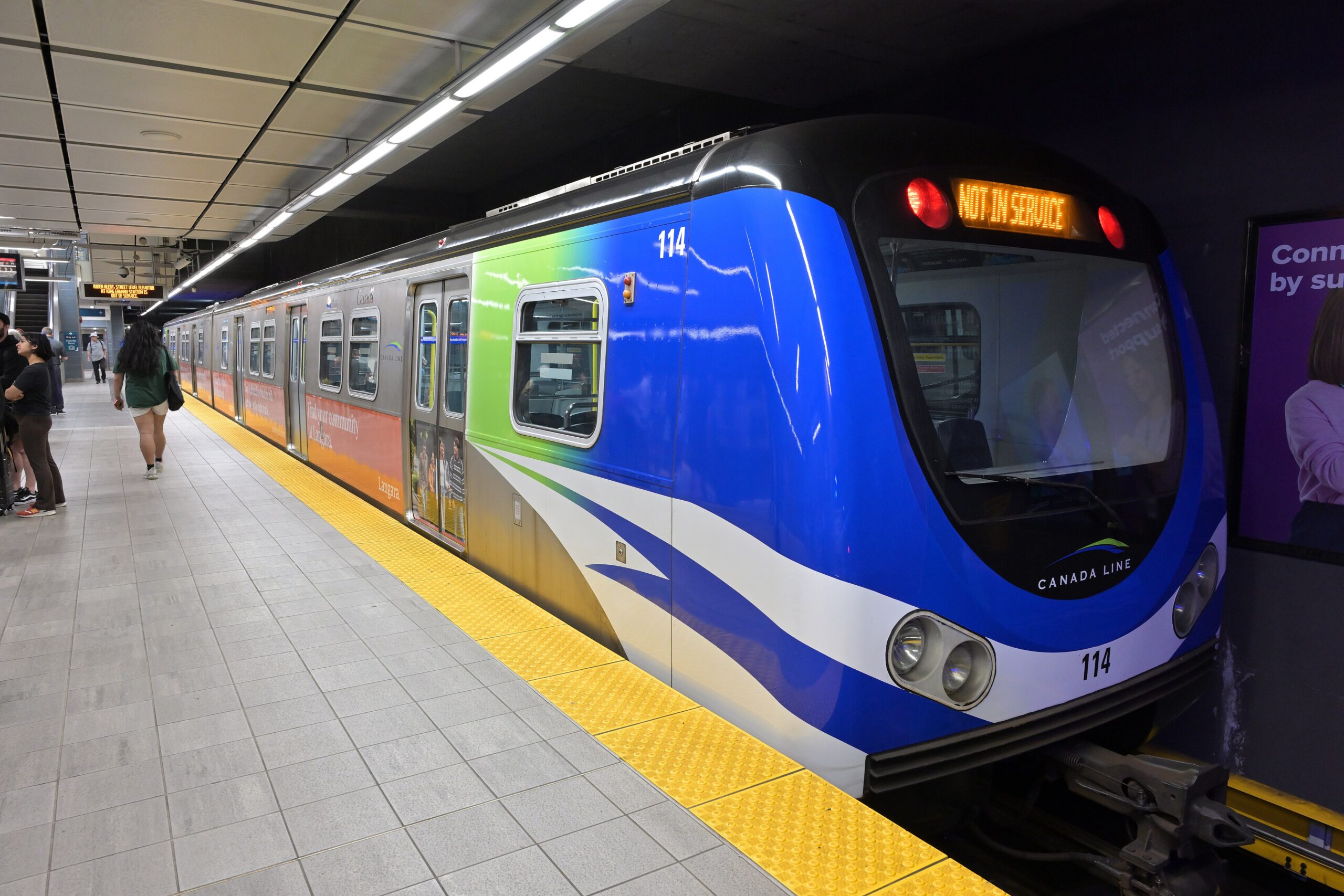
TransLink’s current visitor guidance notes that the YVR trip takes about 25 minutes from Waterfront and that travel from YVR toward downtown carries the airport AddFare. Check the current fare and payment instructions before travelling; do not rely on an old screenshot or a fare quoted in a cruise forum. Tap the same contactless card or device consistently if you are using contactless payment, and keep a backup payment method available.
Taxi or rideshare: paying to remove the awkward parts
A taxi is often the practical choice after a long sailing, especially with four people, bulky luggage or a mobility device. YVR’s taxi information says trips from Canada Place to YVR use a flat fare, but the amount and operating details should be confirmed on the current official page or with the dispatcher. A rideshare can work too, but confirm the designated pickup area rather than asking a driver to stop wherever the curb looks convenient.
Ask the driver to take you to the Departures level and say the airline and destination. If the group is splitting between flights, keep everyone’s bags together until the right curbside stop. When road conditions around Canada Place are constrained, a short wait in the official pickup area can be safer than accepting an informal offer from someone inside the terminal.
Pre-arranged transfer
A pre-arranged car can be worthwhile for a large group, a very early release, or a passenger who needs a specific vehicle. Confirm the meeting point, luggage capacity, cancellation terms and whether the price includes waiting. “Airport transfer” is not a universal service description: some companies meet at the terminal, while others expect you to walk to a curb and call when you are outside.
Waterfront Station details that matter with cruise luggage
Waterfront Station serves several transit lines, so do not follow the first train sign you see. Look specifically for the Canada Line direction to YVR-Airport. The station also has multiple entrances and connected indoor spaces. If you arrive from Canada Place, pause before descending: check the signs, organize tickets and decide who is responsible for each bag.

If the train is crowded, let one train go rather than forcing the group and luggage into a poor position. A few minutes spent boarding calmly is less costly than separating a suitcase or blocking a passenger using a mobility aid. The TransLink visitor guide is the place to confirm current route and fare information before you leave the ship’s Wi-Fi.
At YVR: plan for your destination, not just the terminal
YVR’s terminals are not interchangeable once you are moving with bags. Check your flight number and airline before leaving Canada Place, then follow the airport signs for the correct check-in area. YVR directs passengers to check current airline advice for arrival times and says full-service check-in is on Departures Level 3.
For a domestic flight, you may need airline check-in, bag drop and security. For a U.S. flight, add the airport’s security and U.S. pre-clearance process. For an international flight, allow for the departure process shown for your destination and airline. YVR’s connection guidance also makes an important distinction between through-checked bags and bags that must be reclaimed; while a post-cruise traveller normally starts a new flight, the same principle applies: know whether the airline has accepted your bag before assuming you are “done.”
Look at the airport’s operational information on the morning of travel. If a security wait is growing, do not spend your buffer on a long restaurant stop. If you arrive far earlier than necessary, you can eat or rest after the essential check-in step is complete.
If you have several hours before the flight
A later flight is useful only if your bags have a safe destination. Ask your cruise line whether it offers a luggage transfer service, and verify the current terms directly. YVR’s cruise guidance also points travellers toward airport luggage storage and cruise-transfer services operated by third parties; confirm pricing, hours, insurance and delivery terms before relying on them.
If you prefer to stay downtown, arrange luggage storage before leaving the terminal. Do not assume a hotel will hold bags after checkout unless it confirms that service. Keep passports, electronics and medication with you. A simple post-cruise day can be: leave bags at a confirmed storage point, walk the waterfront or have lunch, return for luggage, then take the Canada Line or a taxi with a generous airport buffer.
Three practical plans
Plan A: same-day flight with self-carry luggage
Use this only when the cruise line confirms an early release that fits your airline’s deadlines. Keep documents and bags ready, leave as soon as your group is permitted, and choose the train only if everyone can manage it. If the margin is thin, pay for a direct vehicle and remove the station walk. This plan is efficient but has the least tolerance for a delay.
Plan B: same-day flight with tagged luggage
Build the morning around the luggage release rather than the ship’s docking time. Choose an airport arrival target first, then allow time for the terminal, bag collection and transfer. A later flight is usually easier to live with than a low fare that turns every queue into a crisis.
Plan C: stay one more night
If your flight is early, your party is tired, or the fare difference is small, stay near YVR or in a downtown hotel with confirmed luggage arrangements. The extra night converts an uncertain chain into two ordinary travel days. It also gives you a buffer if the ship arrives late or the terminal becomes congested.
Accessibility, children and oversized luggage
Tell the cruise line and airline about assistance needs before sailing; do not wait until the morning queue. Ask specifically about moving from the ship to the terminal, retrieving tagged bags, and reaching the vehicle or station. YVR publishes accessible pickup and transportation information, and taxi operators can accommodate mobility aids, but the right vehicle may require coordination. For the fuller accessibility picture across Canada Place, YVR and ferry connections, see our accessibility and family-luggage guide.
For families, give each child a small personal bag and one adult responsibility for passports. For sports equipment or unusual luggage, confirm both cruise-terminal and airline rules. A vehicle that fits four people may not fit four people plus hard cases, car seats and a stroller.
Check this the night before
- Confirm the cruise line’s disembarkation group and luggage deadline.
- Check the airline’s airport-arrival and checked-bag cutoff guidance.
- Verify whether the flight is domestic, U.S. or international at YVR.
- Save the current TransLink and YVR pages offline or as screenshots.
- Decide between self-carry, tagged luggage and a luggage-transfer service.
- Pre-book a vehicle only after confirming the pickup point and luggage capacity.
- Keep passports, medication, electronics, keys and one change of clothes in hand luggage.
- Tell your group where to meet after collecting bags.
- Leave room for a missed train, taxi queue, road delay or longer security line.
For the airport-to-terminal version of this journey, use YVR to Canada Place Cruise Terminal. For the terminal-side procedure, see Canada Place Cruise Embarkation. The broader planning decisions-where to stay, how to move without a car and how the pieces fit together-are collected in the Vancouver cruise planning hub.
The calmest post-cruise plan is rarely the one with the earliest possible flight. It is the plan that still works after luggage takes longer, the station is crowded or your group needs a slower walk. Book around the deadline you cannot miss, then choose the transfer that removes the weakest link.
Travel details change. YVRBlog aims to use official sources and show the review date above. If something has changed, please contact us.