Things To Do Vancouver

Things to Do in Vancouver, BC

Things to Do in Vancouver, BC

Vancouver sits at the edge of things — Pacific Ocean to the west, mountains to the north, the rest of Canada a long drive in every other direction. The geography does a lot of the work. But the city has enough in its neighbourhoods, parks, and food culture to reward actual time spent here rather than just passing through. Here’s how to spend your time well, whether you have an afternoon or several days.

Stanley Park and the Seawall

Stanley Park seawall path with ocean and mountains
Stanley Park’s nine-kilometre seawall is free and flat. Photo: Wikimedia Commons (CC BY-SA)

You can’t come to Vancouver and skip Stanley Park. That’s not a tourist cliché — it’s just the truth. The park is 400 hectares of old-growth forest sitting at the tip of the downtown peninsula, with a nine-kilometre seawall wrapping its perimeter and the ocean on three sides. Walk it, cycle it, rollerblade it — the views rotate constantly: the North Shore mountains, Lions Gate Bridge, the cruise ship terminal, the downtown skyline appearing and disappearing as you round the bends.

But the seawall is just the frame. Inside the park there are quiet forest trails that feel nothing like the city, the totem poles at Brockton Point (genuinely impressive, not just a photo op), a saltwater swimming pool, and the Vancouver Aquarium for anyone travelling with kids. Beaver Lake in the park’s interior is one of those spots that feels like a secret even though it’s been there the whole time. Budget at least half a day. Arrive early on summer weekends to beat the crowds — the park is best before 10am anyway, when the light is low and the seawall is almost empty.

Granville Island: More Than Just a Market

Inside Granville Island Public Market with vendors and shoppers
Granville Island Public Market operates daily with no admission charge. Photo: Wikimedia Commons (CC BY-SA)

Granville Island is a small peninsula under the Granville Bridge that has evolved from a defunct industrial site into one of the best public spaces in Canada. The Public Market is the anchor — a daily indoor market with fresh produce, local seafood, artisan cheeses, baked goods, and enough prepared food to turn browsing into lunch. But the market is really the starting point, not the destination.

Spend time exploring the rest of the island. There are working artists in open studios, a craft brewery, independent theatres, a Kids Market that genuinely keeps children occupied, and the waterway between the island and the south False Creek shoreline, busy with tiny ferries, kayakers, and dragon boat teams. The water taxis that connect Granville Island to Yaletown and the West End are worth taking just for the perspective — the city looks completely different from the water.

The Neighbourhoods Worth Walking

Vancouver’s neighbourhoods are where the city’s actual personality lives, and they’re distinct enough that moving between them feels like changing cities.

Gastown and the Historic Downtown

Gastown is the oldest part of the city — cobblestone streets, heritage brick warehouses, the famous steam clock at the corner of Water and Cambie. It was seedy for decades and is now firmly gentrified, lined with independent restaurants, cocktail bars, and design shops. It’s genuinely beautiful and worth walking slowly, especially in the evening when the brick and the warm lighting work in its favour.

Chinatown

Chinatown sits just south of Gastown and is one of the oldest in North America. The Dr. Sun Yat-Sen Classical Chinese Garden is a genuinely peaceful retreat in the middle of the neighbourhood — built by artisans from China using traditional Ming Dynasty techniques and materials. The neighbourhood itself has faced serious pressure from development and changing demographics, but the architecture and history are irreplaceable.

Commercial Drive

Commercial Drive in East Vancouver is the city’s most genuinely diverse main street. Italian coffee culture meets Central American food meets vintage shops meets political murals. It has a community character that the west side of the city aspires to but can’t quite replicate. Walk it from Venables Street down to Broadway and stop wherever you feel like stopping.

Kitsilano: The West Side at Its Best

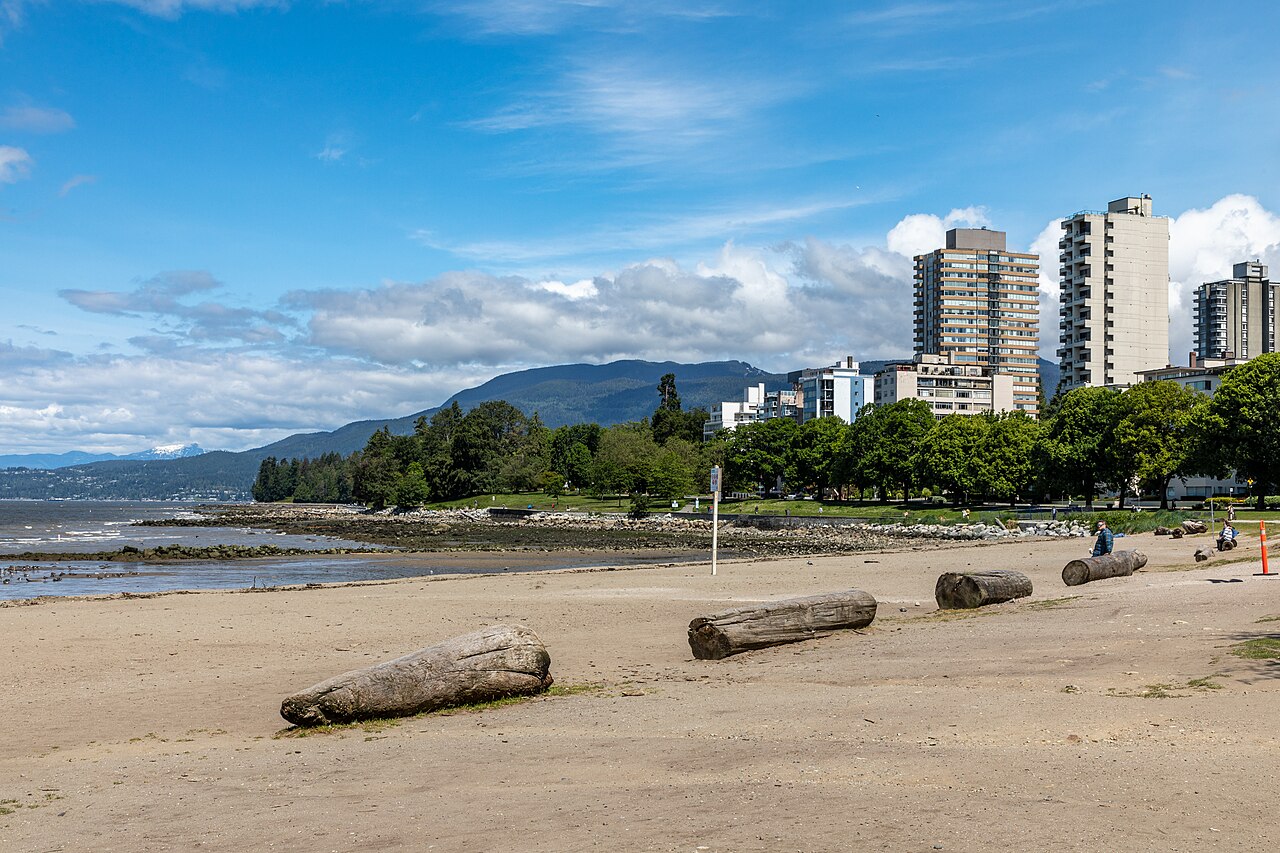
Kitsilano Beach on a sunny Vancouver day
Kitsilano Beach — one of Vancouver’s most loved summer spots. Photo: Wikimedia Commons (CC BY-SA)

Kitsilano has a reputation as the city’s most relaxed neighbourhood, and it earns it. The stretch along 4th Avenue and Broadway has independent bookstores, good coffee shops, and restaurants that reflect a neighbourhood with actual culinary standards. Kitsilano Beach is one of the city’s best — wide sand, the mountains across the water, the outdoor heated saltwater pool that’s packed from June through September.

Jericho Beach and Spanish Banks sit further west along the same waterfront corridor and are worth the extra walk for the space they offer. Spanish Banks at low tide stretches further than you’d expect, and the views of the city from the water’s edge on a clear day are some of the best in Vancouver.

The Food Scene

Vancouver’s food scene is serious — shaped by geography, immigration patterns, and a local culture that genuinely cares about what it eats. The Robson Street tourist corridor is fine but not where the best eating happens. Go instead to Main Street between Broadway and King Edward for a dense concentration of independent restaurants covering everything from natural wine bars to some of the best Vietnamese food in the country. Chinatown and Richmond together give Vancouver one of the strongest East Asian food corridors in North America. Granville Island’s market supplies the kind of local produce and artisan food that most cities would envy.

Practical Tips Before You Go

Vancouver is expensive — one of the most expensive cities in Canada, full stop. Budget accordingly for accommodation, and know that eating and drinking well does not have to break the budget if you avoid the waterfront tourist traps.

Transit is genuinely good within the city. The SkyTrain, buses, and SeaBus network covers most of what you’d want to do without a car. The SeaBus across to North Vancouver takes twelve minutes from Waterfront Station and opens up a completely different set of things to do.

Rain is real from October through April. Not dramatic rain — just persistent, grey, drizzly rain. Pack a waterproof layer rather than an umbrella and you’ll manage fine. Summer is spectacular: long days, warm (not hot) temperatures, and a city that comes fully alive outdoors. If you can choose when to visit, June through September is the window.

Summer 2026: Vancouver is hosting seven FIFA World Cup matches at BC Place, June 12 through July 7. The Canada games (June 18 vs. Qatar, June 24 vs. Switzerland) will be some of the most charged sporting moments this city has seen. The FIFA Fan Festival at the PNE grounds in Hastings Park (2901 E Hastings Street) is free and broadcasts all matches. See the full World Cup 2026 Vancouver guide for schedule, transit, viewing spots, and what to do around the games.

One last thing: don’t try to do everything. Vancouver rewards depth over breadth. Pick two or three neighbourhoods, find a spot you like, and settle in. The city tends to reveal itself to the people who slow down.

Get Metro Vancouver ideas in your inbox

Local guides for things to do, food, neighbourhoods, weekend plans, free events, and useful Vancouver visitor tips.

Subscribe to YVRBlog