Start with the neighbourhood, use transit for the city core, and group each day by geography. This practical guide covers the decisions that make a first Vancouver trip easier.
Vancouver is an easy city to enjoy once you understand its geography. Downtown is compact, the airport is linked to the centre by rapid transit, and many of the places visitors want to see sit around the seawall or along a small number of transit corridors. The usual mistake is not choosing the wrong attraction. It is spending too much of the day crossing the city.
Start with the shape of the city
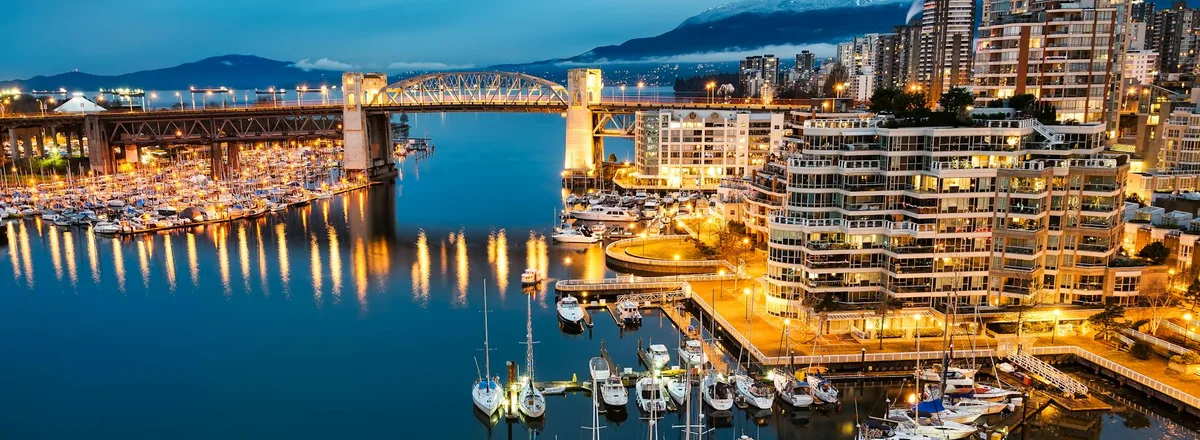
Downtown Vancouver is a peninsula bordered by Burrard Inlet, English Bay, and False Creek. Stanley Park occupies the western end. Gastown and Canada Place sit toward the northeast, while Yaletown and BC Place face False Creek to the southeast. Granville Island and Kitsilano are across the water, and the North Shore mountains are reached by SeaBus, bus, or car.
This layout rewards simple days. Pair Stanley Park with the West End or Coal Harbour. Pair Gastown with Canada Place. Pair Granville Island with Kitsilano or the False Creek seawall. Treat the North Shore as its own half-day or full day.
Where first-time visitors should stay
Downtown is the easiest base when the trip is short. Vancouver City Centre and Waterfront stations connect directly to YVR, while most central sights are walkable.
- Downtown core: best for a short first visit and simple transit connections.
- West End: best for Stanley Park, English Bay, and a quieter residential feel.
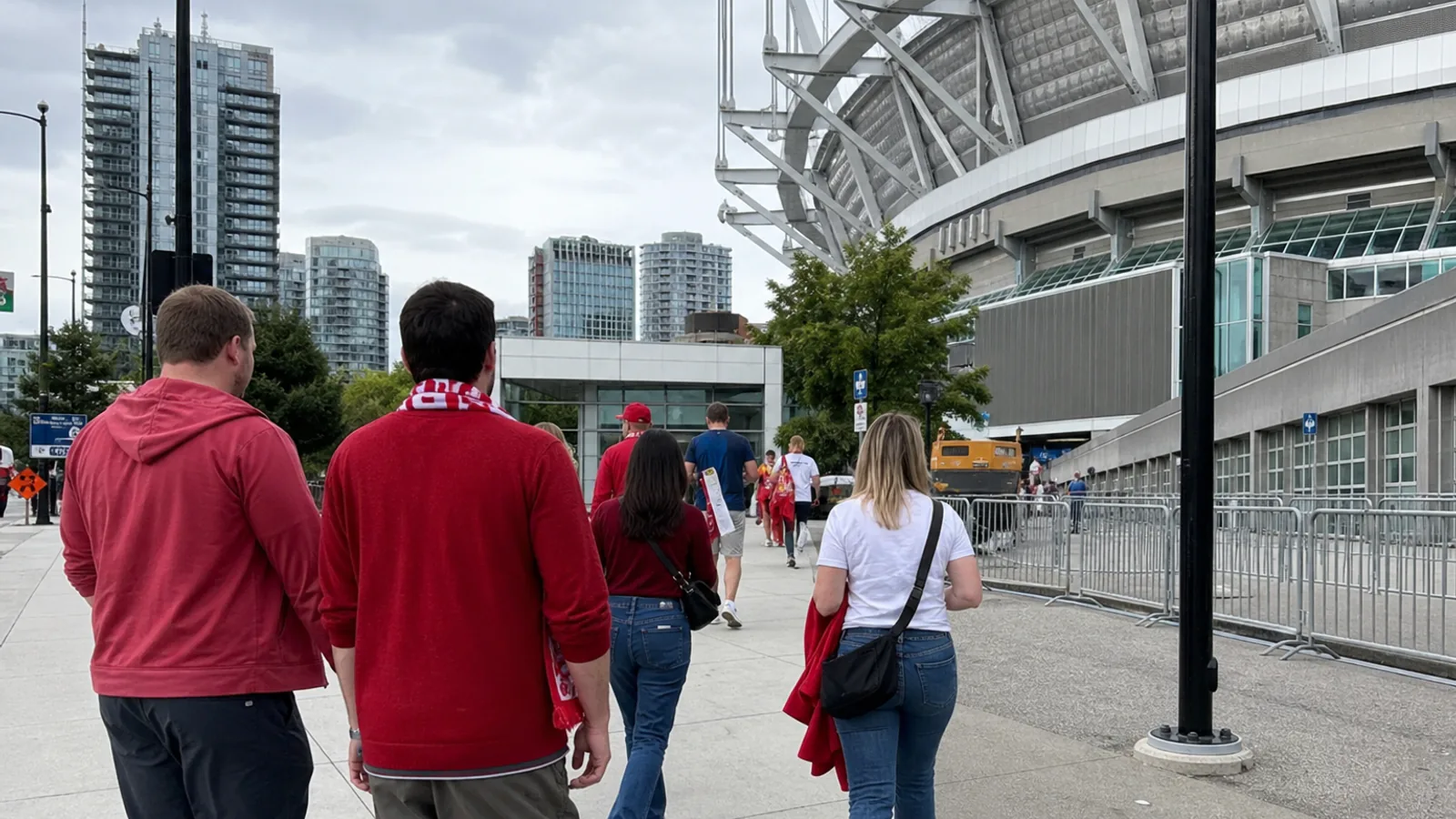
- Yaletown: best for restaurants, the seawall, BC Place, and Rogers Arena.
- Coal Harbour: best for waterfront walks, cruise departures, and easy Stanley Park access.
- Richmond: useful for airport convenience, Asian dining, and Canada Line access; less convenient for late-night downtown wandering.
- North Vancouver: a good fit for mountain access and waterfront views, with a SeaBus trip required for downtown.
Compare the trade-offs in our where to stay in Vancouver guide before choosing a hotel.
Getting from YVR into Vancouver
The Canada Line connects YVR–Airport Station with downtown Vancouver in under 30 minutes. Trains serve Yaletown–Roundhouse, Vancouver City Centre, and Waterfront. Follow the Canada Line signs from the terminal and use a Compass ticket, Compass Card, or accepted contactless payment at the fare gates.
Trips starting at the airport include the regular TransLink fare plus the YVR Airport AddFare. Fares and service hours change, so check the official TransLink fare page before travel. Our YVR to downtown guide compares the train, taxi, rideshare, and late-night options.
A realistic three-day framework
Day one: downtown and the waterfront
Begin at Canada Place, walk the waterfront toward Coal Harbour, and continue into Stanley Park if the weather and your energy allow. Return through the West End for dinner. This day works almost entirely on foot.
Day two: Granville Island and False Creek
Visit Granville Island earlier in the day, then use a False Creek passenger ferry or the seawall to continue toward Olympic Village, Yaletown, or Kitsilano. Our Granville Island and Kitsilano route explains how to join the two without backtracking.
Day three: choose one direction
Use the third day for the experience that matters most to you: the North Shore, a neighbourhood and food day, a museum-and-market day, or a longer outing beyond the city. Avoid trying to combine Whistler, Victoria, and central Vancouver in the same day.
How to get around without a car
Most short city trips work well with SkyTrain, buses, SeaBus, walking, and the small passenger ferries on False Creek. A car is more useful for a regional road trip than for central Vancouver, where parking adds cost and often saves little time.
Use the official TransLink Trip Planner for live routing. Tap in and out at SkyTrain and SeaBus fare gates. On buses, tap when boarding. A single fare allows transfers within the published transfer window when you use the same payment method.
What deserves advance booking
- Popular summer hotels and weekend stays.
- Whale-watching trips and small-group tours.
- Major ticketed attractions and special exhibitions.
- Ferries, trains, or rental cars for regional side trips.
- Restaurants that matter to the trip, especially on Friday and Saturday evenings.
Parks, seawall walks, neighbourhood wandering, markets, and beaches usually need flexibility more than reservations.
Weather and packing
Vancouver weather changes quickly between the waterfront, downtown streets, and the North Shore. Bring a light waterproof layer, comfortable walking shoes, and one warmer layer even in summer. Smoke, heavy rain, wind, or mountain conditions can change a day plan; keep one indoor option available.
Common first-trip mistakes
- Booking by hotel price alone. A cheaper room can create long daily transfers.
- Planning by attraction list instead of geography. Group nearby places before setting the order.
- Renting a car for downtown days. Transit and walking are usually simpler in the centre.
- Treating North Vancouver and Vancouver Island as the same direction. They require different transport plans.
- Leaving every meal to chance. Keep flexibility, but reserve the one or two restaurants you care about.
Frequently asked questions
How many days do you need in Vancouver?
Three full days give a first-time visitor enough time for downtown, Stanley Park, False Creek or Granville Island, and one North Shore or neighbourhood day. Add more time if you want a regional side trip.
Can you visit Vancouver without a car?
Yes. Central Vancouver, YVR, Richmond city centre, and North Vancouver’s waterfront are connected by rapid transit. A car becomes more useful for destinations outside the main transit network.
What is the best area for a first visit?
Downtown, the West End, Yaletown, and Coal Harbour are the simplest choices for a short first trip. The best one depends on whether you value transit, nightlife, park access, or cruise convenience most.
Travel details change. YVRBlog aims to use official sources and show the review date above. If something has changed, please contact us.