Quick Answer
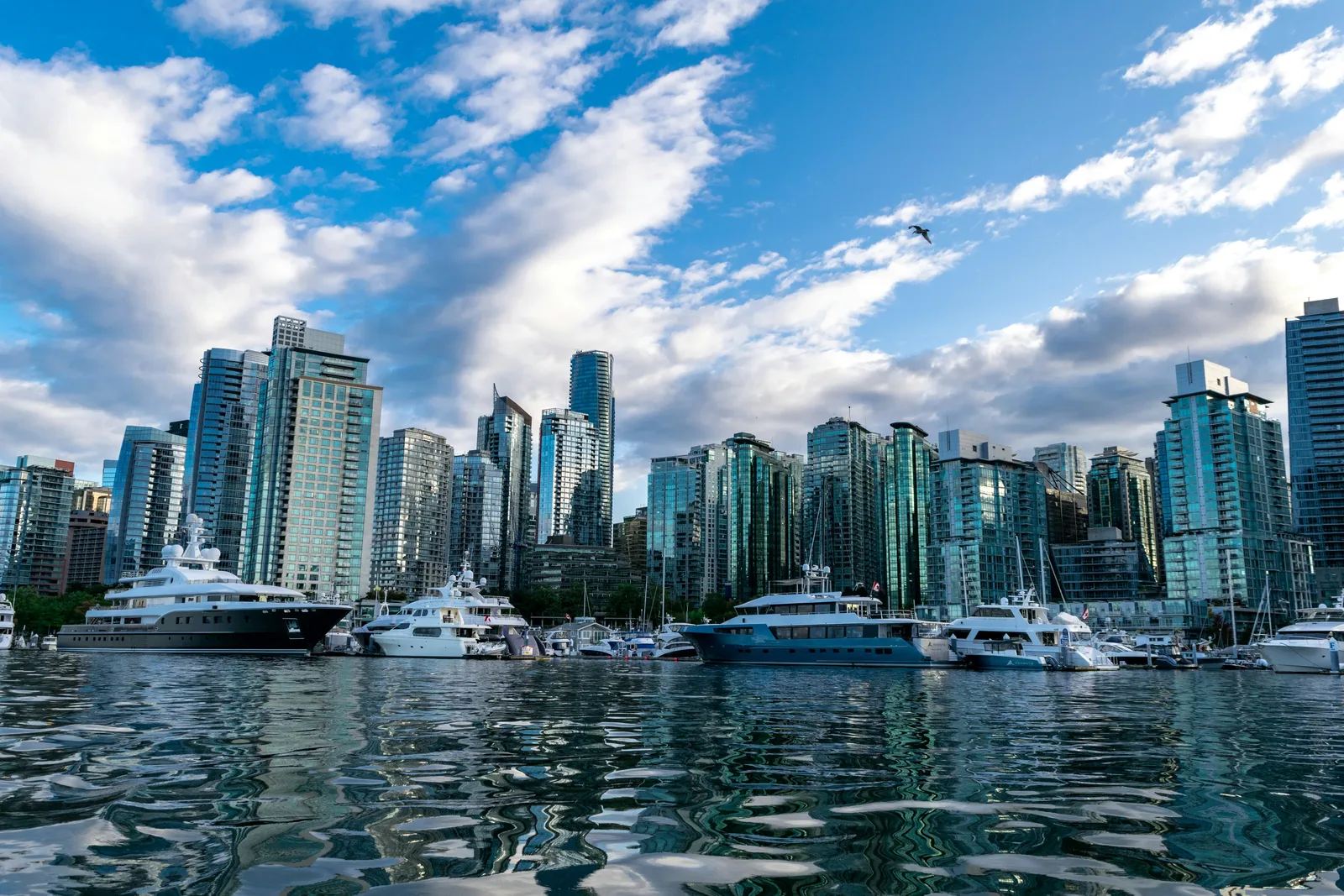
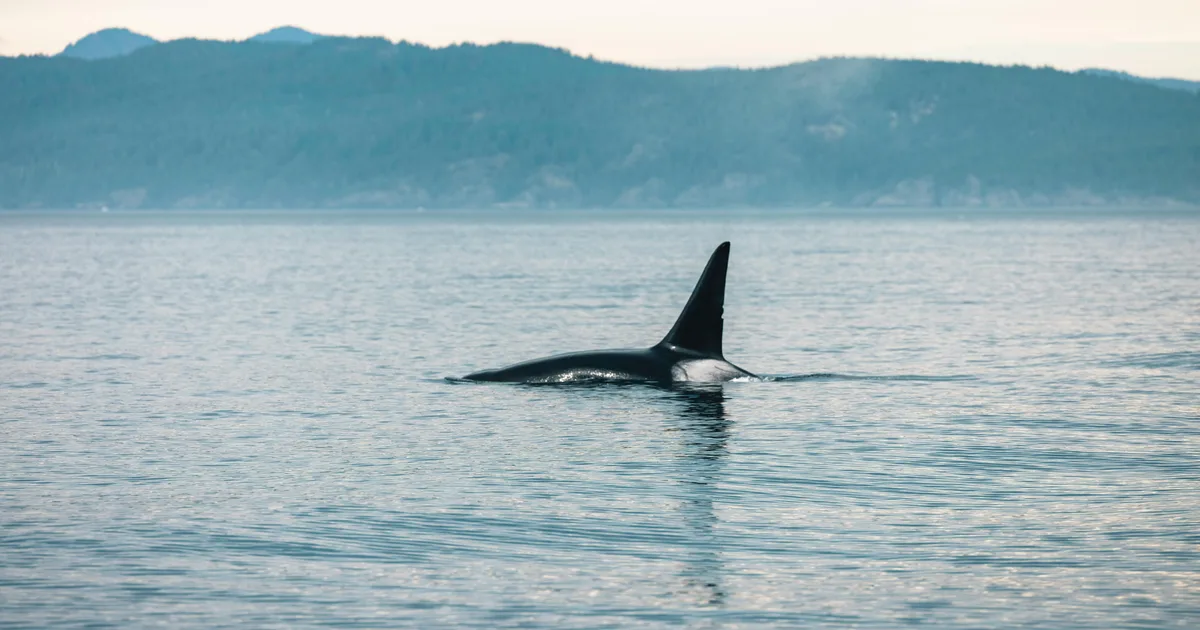
Yes — orcas are sometimes seen near Vancouver, and spring 2026 reminded the city how close wild whales can come to the urban shoreline. Killer whales have been filmed passing under the Lions Gate Bridge, swimming near the seawall in English Bay, and travelling through Burrard Inlet. A group of kayakers near Buntzen Bay also had a remarkable close encounter near Deep Cove.
These sightings are unpredictable. They are not scheduled. They are not something to chase. If you are lucky enough to witness one, the right move is to stay still, stay back, and let the animals move through on their terms.
One more thing worth noting upfront: in British Columbia, the word “resident” has a specific technical meaning when it comes to killer whales. “Resident orcas” refers to distinct populations — Southern Residents and Northern Residents — that are genetically and behaviourally different from other killer whales in the region. Not every orca seen near Vancouver is a resident whale. That distinction matters, and this article will explain why.
Why Vancouver Locals Are Talking About Orcas Right Now
Spring 2026 has been a busy, highly visible stretch for marine mammal sightings around Metro Vancouver. In early May, multiple orca pods were spotted near the Lions Gate Bridge over consecutive days, with videos shared widely by local accounts and photographers. A Vancouver woman described watching what appeared to be three transient orca pods pass under the bridge over two days, noting that each time the whales moved through between roughly 2 and 4 p.m.
Separately, a Deep Cove Kayak guide named Rhiannon Henley was leading an overnight group of high schoolers when they encountered orcas near Buntzen Bay on May 1. The footage she captured is striking: calm water, early morning light, and killer whales surfacing close enough to hear. The co-owner of Deep Cove Kayak, Bob Putman, noted that in 30 years working on the water, he had never heard of a dangerous interaction between orcas and people. Still, he emphasized that these animals deserve respect.
The orca activity in May followed an earlier, even more unusual event. In March 2026, three killer whales were spotted spending several days in Vancouver Harbour, swimming between the Ironworkers Memorial Bridge and the Lions Gate Bridge. What made this remarkable was that researchers later matched the whales to a previous Anchorage-area sighting, suggesting they may belong to a Gulf of Alaska, Aleutian Islands, or Bering Sea transient stock. That does not make them “resident orcas” in the B.C. sense; it makes them unusual visitors whose identity still requires careful expert tracking.
Thousands of people lined the shore. The whales eventually moved on.
Are These Southern Resident Orcas or Bigg’s Killer Whales?
This is a genuinely important question, and the honest answer in most cases is: we don’t always know without expert identification.
British Columbia is home to several ecotypes of killer whale, and they are not interchangeable either biologically or legally.
Southern Resident killer whales are one of Canada’s most endangered marine mammals. Recent counts have placed the population in the mid-70s across three pods. They feed mainly on fish — especially Chinook salmon — and range across the southern Salish Sea and nearby coastal waters. Under federal 2026 measures, a 1,000-metre approach distance for Southern Resident killer whales is scheduled to apply in southern B.C. coastal waters between Campbell River and just north of Ucluelet from June 1, 2026, through May 31, 2027. The approach distance for other killer whales in Pacific Canadian waters remains 200 metres year-round.
Bigg’s killer whales (also called transient killer whales) are a genetically distinct ecotype that feeds on marine mammals such as seals, sea lions, and porpoises. They tend to travel in smaller, quieter groups and are known to enter harbours, inlets, and urban waterways while hunting. Around Vancouver’s shoreline, they are usually the more likely identification than Southern Residents — but identification should still come from experienced whale observers or photo-ID sources, not guesses from social media.
Researchers who work with photo-identification catalogues can recognize many individual killer whales by their dorsal fins, saddle patches, and other markings. That is why the March Vancouver Harbour trio was so notable: they did not match the usual local catalogues at first. For the May 2026 Lions Gate Bridge sightings, Orca Network logged the T90s — a Bigg’s killer whale group — passing the bridge, and other Burrard Inlet sightings in May were also logged as Bigg’s animals.
This context matters. When you see a social media post describing “resident orcas in Vancouver harbour,” that phrasing is almost always inaccurate, even when well-intentioned. The animals are often more likely to be Bigg’s transient killer whales — which is remarkable in its own right, but a different story.
Why Orcas Sometimes Come Close to Vancouver
The short version: they usually follow food.
Bigg’s killer whales are mammal hunters, and the waters around Metro Vancouver — Burrard Inlet, Indian Arm, English Bay, Howe Sound — support harbour seals, sea lions, and other marine-mammal prey. When prey concentrates in a harbour or inlet, Bigg’s killer whales may follow. Vancouver’s geography, with its enclosed waterways and pinch points like the Lions Gate Bridge narrows, can funnel both prey and predators into surprisingly urban settings.
Seasonal factors can also play a role. Spring brings more marine activity and more people watching the water. Humpback and grey whales may also be moving through the broader region, which can increase overall whale visibility and public attention during this period.
There is also a simpler reason these moments feel more common: more people have smartphones, more people are filming, and platforms like Instagram and Facebook groups dedicated to local wildlife sightings — such as the Howe Sound and Sea to Sky Wildlife Sightings group — mean that when orcas do appear, word can spread within minutes. According to UBC marine mammal researcher Andrew Trites, the director of the Marine Mammal Research Unit, the resurgence of marine life in the region is real, but it’s also part of what he calls “the new normal.” When he arrived in B.C. in 1980, whale sightings near Vancouver were effectively unheard of.
Where Orcas Have Been Seen Around Vancouver
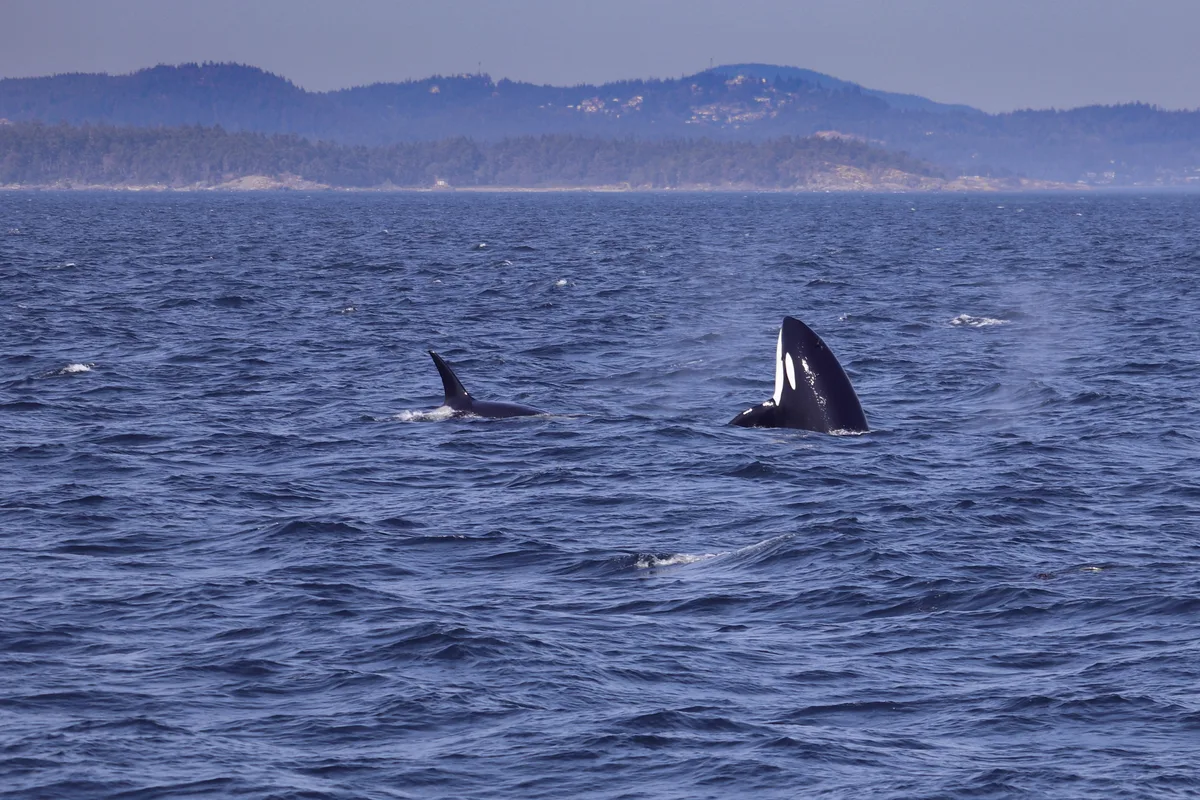
None of these are guaranteed viewing locations — orcas move on their own schedule and cannot be predicted. But these are the areas where sightings are most often reported or discussed locally:
Lions Gate Bridge / Stanley Park seawall: Perhaps the most-filmed corridor. Orcas travelling into or out of Burrard Inlet pass beneath the bridge, sometimes close enough to see from the seawall path or Prospect Point. May 2026 brought widely shared videos from this corridor on consecutive days.
Burrard Inlet: The inlet that runs from the Lions Gate Bridge east through the city and North Vancouver has hosted Bigg’s orcas multiple times in recent years, with Bigg’s killer whale activity logged in and around the inlet during spring 2026.
Indian Arm / Deep Cove / Buntzen Bay: This deep fjord north of Coquitlam has a well-established history of orca visits — hunters following seals up the arm. It was the site of the May 1 kayaker encounter and other past encounters involving people already on the water.
North Vancouver / Lonsdale / Shipyards area: Orcas in Burrard Inlet are sometimes visible from the North Shore waterfront, depending on their direction of travel.
English Bay: Open-water sightings can happen here, especially when whales are moving through the outer harbour and near-shore waters.
West Vancouver / Horseshoe Bay: Howe Sound and the West Vancouver shoreline are part of the broader local sighting picture, especially for Bigg’s killer whales moving through coastal waters.
Strait of Georgia: The open strait between Metro Vancouver and Vancouver Island sees regular orca activity year-round, particularly by Bigg’s whales.
What To Do If You See Orcas
From shore:
Stay where you are and watch. Do not run toward the water, climb into unsafe areas, or attempt to enter the water to get closer. Keep dogs on leash. Give other people room to see without crowding the shoreline.
On the water — kayakers and paddlers:
Do not paddle toward the animals. If orcas are approaching your location, stop paddling, keep calm, and allow them to pass. Do not attempt to intercept or follow their path. The Deep Cove Kayak encounter in May 2026 was remarkable precisely because the guide did not turn it into a chase. The orcas moved through on their own terms.
On the water — motorized vessels:
Under Canada’s marine mammal rules, boaters in Pacific Canadian waters must keep at least 200 metres away from killer whales that are not Southern Residents. Do not position your vessel in the path of travelling orcas or cut across their direction of travel. DFO also advises vessel operators to slow to under seven knots when within 1,000 metres of a killer whale and to turn off echo sounders and fish finders when they are not needed.
From June 1, 2026, a 1,000-metre approach distance is scheduled to apply specifically to Southern Resident killer whales in southern B.C. coastal waters between Campbell River and just north of Ucluelet. DFO notes that where killer whale populations cannot be reliably distinguished, vessel operators are encouraged to stay 1,000 metres away to ensure compliance.
Report sightings:
If you see orcas near Vancouver, you can report the sighting through established sighting networks such as Orca Network or Whales and Dolphins BC. These records help researchers track movements and understand behaviour patterns over time. If you are on the water, reporting after you are safely clear of the animals is better than trying to film and navigate at the same time.
Can You Reliably See Orcas in Vancouver?
Honestly, not reliably — and anyone who tells you otherwise is overpromising.
From shore, seeing killer whales near Vancouver is genuinely possible, particularly along the seawall near Prospect Point, from Dundarave Pier in West Vancouver, or from the North Shore waterfront. But the timing is entirely unpredictable, and you could stand at the Lions Gate Bridge for a hundred mornings and see nothing.
Whale watching tours out of Vancouver, Victoria, or Nanaimo offer better odds. Commercial operators use networked sighting reports and know the territory well, and their guides can provide context that a casual sighting from shore rarely can. That said, wild sightings are never something a responsible operator can promise with certainty.
If you’re specifically hoping to see whales, local tour operators often treat spring through early fall as a strong season for activity in the Salish Sea. But killer whales do not follow a public schedule, and the best sightings often come to people who were not looking.
Why This Matters
Vancouver is not a city built for indifference to the water. When killer whales appear in the harbour, people respond the way you would expect — with awe, with cameras, with messages to friends, with social posts that spread the news in minutes. That reaction is understandable.
But the instinct that can come with awe — to get closer, to capture a better shot, to be part of the moment — is the instinct worth questioning. Bigg’s killer whales near the seawall are not an attraction. They are animals in the middle of a hunt or a transit, in water that is already loud and full of vessels. Southern Resident killer whales, if they do pass through, are members of a critically endangered population that science has shown to be measurably harmed by vessel noise and disturbance.
The standard Vancouver wildlife rule applies here: look, appreciate, and leave the animal alone. The city is lucky when wild whales pass through. The only responsible response is to let them.
FAQ
Are there orcas in Vancouver?
Yes. Orcas — often Bigg’s (transient) killer whales — pass through the waters around Metro Vancouver periodically throughout the year. They are not permanent residents of Vancouver Harbour, but their appearance near the city is not unheard of.
Where can I see orcas in Vancouver?
There is no guaranteed location. Orcas have been seen from the Stanley Park seawall near the Lions Gate Bridge, from Burrard Inlet waterfront areas in North Vancouver, and from West Vancouver’s shoreline. Checking established sighting networks such as Orca Network is more reliable than relying on viral clips alone.
Can you see orcas from the seawall?
Sometimes, yes. The stretch of the seawall near Prospect Point and the Lions Gate Bridge is where the most-shared sightings have occurred. There is no reliable time or day. If orcas are reported in Burrard Inlet, the seawall may offer a shore-based view, but it should never be treated as a guarantee.
Are Vancouver orcas Southern Resident killer whales?
Usually, no. The orcas most commonly reported around Vancouver’s harbour and inlets are Bigg’s (transient) killer whales, a genetically distinct ecotype that hunts marine mammals. Southern Resident killer whales are an endangered population whose recent counts have hovered in the mid-70s, and they should not be casually used as the label for every Vancouver sighting. The term “resident orca” has a specific technical meaning in B.C.
What should I do if orcas approach my kayak?
Stop paddling and stay calm. Do not try to move closer or intercept the whales. Remain stationary and allow them to pass. Do not treat a close approach as an invitation. Wild orcas are not known for attacking people in B.C. waters, but they are powerful predators and must be given legal distance. The correct response is patience and stillness, not engagement.
Are orcas dangerous to people?
Wild orcas are not known for attacking people in B.C. waters. They are apex predators and should always be treated with respect and given legal distance. The practical answer is not panic; it is distance, calm, and compliance with the rules.
When is the best time to see whales near Vancouver?
Spring through early fall is often a strong period for whale activity in the Salish Sea, but Bigg’s killer whales can appear at any time of year. Near the city, sightings are more likely when prey and whale movement line up — not because there is a predictable public viewing schedule.
Sources and Notes
This article uses recent local reporting for the Vancouver sightings and official or expert sources for whale identification and watching rules.
- Vancouver Is Awesome: Coverage of the May 2026 Deep Cove / Buntzen Bay kayak encounter and local reporting on Vancouver-area whale sightings.
- Daily Hive Vancouver: May 2026 reporting on orcas near the seawall and Lions Gate Bridge, plus expert commentary from Andrew Trites on the spike in Vancouver whale sightings.
- Fisheries and Oceans Canada (DFO): 2026 Southern Resident killer whale management measures and watching marine wildlife guidance.
- Orca Network: Recent sightings log, including May 2026 entries for the T90s at Lions Gate Bridge, and its Southern Resident births and deaths page for recent population-count context.
- Orca Behavior Institute: Analysis of the March 2026 mystery orcas in Vancouver Harbour, including the Anchorage-area photo match and likely Gulf of Alaska / Aleutian Islands / Bering Sea transient-stock context.
- Bay Cetology: Jared Towers profile, used to confirm his role in photo-identification and West Coast transient killer whale research.
- Whales and Dolphins BC / Ocean Wise Whale Report: Sighting reports and reporting tools for additional context on whale activity around Burrard Inlet and the Salish Sea.
For current sightings, check Orca Network, Ocean Wise / Whale Report, and local wildlife sighting groups. Treat social-media posts as leads, not final identification, unless a reliable whale-identification source confirms the animals.
Travel details change. YVRBlog aims to use official sources and show the review date above. If something has changed, please contact us.