As of June 2026, Stage 3 water restrictions are in effect across Metro Vancouver member municipalities. The restrictions apply to all outdoor water use from a tap, hose, or irrigation system. Your indoor use — showers, laundry, dishwashing — is not affected.
Quick Answer: What Stage 3 Means for Your Property
- Lawn watering: not allowed — all lawn irrigation is banned at Stage 3
- Trees, shrubs, and flower beds: allowed using a hand-held hose with automatic shut-off, drip irrigation, or a soaker hose only
- Vegetable gardens: allowed by hand-held hose with shut-off, drip, or soaker — overhead sprinklers not permitted
- Washing driveways, decks, or patios: not allowed — use a broom or dry sweep instead
- Washing vehicles with a running hose: not allowed — a bucket is permitted; commercial car washes that recirculate water are generally allowed
- Filling or refilling pools and hot tubs: not allowed for new or substantially emptied pools — check with your municipality for top-up exemptions
- Decorative fountains (non-recirculating): must be turned off
- Indoor water use: not affected — showering, dishwashing, laundry, and drinking water are unrestricted
- Enforcement: handled by each member municipality through bylaw officers
What Stage 3 Actually Means
Metro Vancouver manages a four-stage water restriction system. The scale runs from Stage 1 (a mild advisory) to Stage 4 (a near-total ban). Stage 3 is one level below the maximum — most outdoor watering is banned outright or tightly restricted. The restrictions are set regionally by Metro Vancouver and enforced at the municipal level — meaning your city or district issues any fines.
Permitted Watering Hours and Days
Under Stage 3, outdoor watering is restricted to early morning and evening hours. Metro Vancouver’s standard permitted hours are before 9 a.m. and after 7 p.m. Your municipality may post slightly different hours — verify on your city’s water restrictions page before watering.
Stage 3 also staggers watering by address — so the regional system isn’t hit all at once:
- Odd-numbered addresses: outdoor watering on Saturdays only
- Even-numbered addresses: outdoor watering on Sundays only
Confirm your municipality’s assigned days at metrovancouver.org, as individual cities occasionally adjust the schedule.
What You Cannot Do Under Stage 3
- Lawn watering — all lawn irrigation is banned, including sprinklers, in-ground systems, and hose-end sprinklers. This applies to residential lawns, sports fields, and ornamental grass.
- Washing paved or hard surfaces — no hosing down driveways, sidewalks, patios, decks, or parking areas. Sweep or dry-clean instead.
- Washing vehicles with a running hose — open hose washing of cars, trucks, boats, or RVs is not permitted. A bucket is allowed. Commercial car washes that recirculate water are generally permitted.
- Decorative water features that do not recirculate water.
- Filling or refilling swimming pools, hot tubs, and wading pools — new or substantially emptied pools cannot be filled at Stage 3. Small top-up exemptions to offset evaporation may exist — check with your municipality.
What You Can Still Do
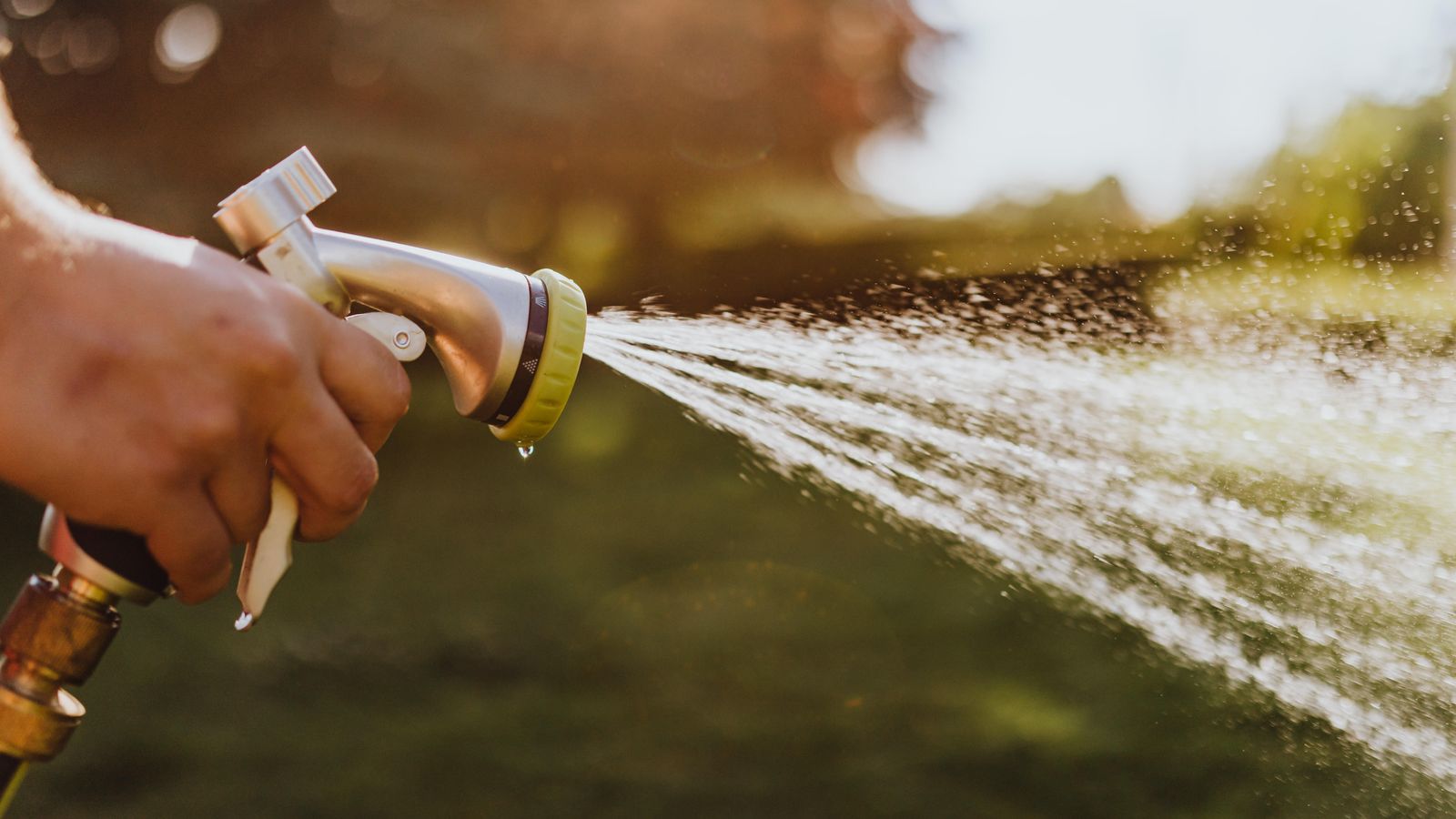
- Watering vegetable gardens and fruit trees — hand-held hoses with an automatic shut-off nozzle, drip irrigation, and soaker hoses are permitted within the permitted hours and days.
- Watering flower beds and shrubs — same conditions apply: hand-held hose with shut-off, drip, or soaker only.
- Watering newly planted trees and plants — there is typically a temporary exemption for new plantings (often within the first 21 to 30 days). Check with your municipality for the specific window and conditions.
Fines and Enforcement
Enforcement is handled at the municipal level. In the City of Vancouver, bylaw officers respond to complaints and conduct patrols during peak periods. Fines for violations typically start around $250 for a first offence and increase for repeat violations. Fine amounts vary by municipality — check your city’s bylaw or water restriction page for current figures before treating that figure as the definitive number.
Reporting is largely complaint-based. If you observe watering during prohibited hours or days, you can report it to your city’s bylaw department.
What to Do Now
- Let your lawn go dormant. Established lawn grass in Metro Vancouver typically recovers fully once rain returns in autumn. A brown lawn in summer is expected during restrictions — it is not dead.
- Apply mulch around garden beds to slow moisture loss from the soil and reduce how often plants need watering.
- Water permitted plants deeply and less often rather than lightly every day. Infrequent deep watering encourages roots to grow deeper, making plants more drought-tolerant.
- Replace open-hose watering with a soaker hose or drip line for any beds or borders you need to maintain.
- Avoid pressure washing or hosing hard surfaces — this applies during all restriction stages.
- Check your municipality’s page for specific fine amounts and any local exemptions that may apply to your address or situation.
- Monitor Metro Vancouver and your city’s updates. The stage can shift mid-summer — check metrovancouver.org for current status.
If the restrictions mean spending less time in the garden this summer, Metro Vancouver parks are open and fully reachable by transit. There are also plenty of free and low-cost things to do across the region.
Where to Check Your City’s Exact Rules
Metro Vancouver sets the regional stage, but individual municipalities enforce the restrictions and may publish their own fine schedules, exemption forms, and additional rules. Always verify the rules for your specific city or district before watering — particularly for new plantings or any exemption that might apply to your situation.
- Metro Vancouver — Water Use Restrictions — current stage and links to member municipalities
- City of Vancouver — Stage 3 and 4 Water Restrictions
- City of Burnaby — Water Use Restrictions
This article is based on Metro Vancouver and municipal water-restriction pages available at the time of writing. Check your city’s current page before watering, as enforcement details and fine amounts may vary by municipality and can change if the restriction stage is updated.
Travel details change. YVRBlog aims to use official sources and show the review date above. If something has changed, please contact us.