Vancouver transit is easy once you know when to tap. Here is how contactless payment, Compass Cards, tickets, transfers, and DayPasses work for visitors.
For most visitors, the simplest way to pay for Vancouver transit is to tap the same contactless credit card, debit card, or mobile wallet on every reader. If you will take several trips over more than a day, a reloadable Compass Card can be more convenient. A DayPass is worth considering when you expect to make enough trips to exceed its cost.
The rule that prevents most mistakes is simple: use one payment method for the whole journey, and tap where required.
Pick the payment method that fits your trip
| If you are… | Best option |
|---|---|
| Taking a few trips and carrying a contactless card or phone | Tap to Pay |
| Staying several days or travelling with a family member who needs their own fare | Compass Card |
| Making several trips in one day across the region | DayPass |
| Boarding only one local bus and paying with cash | Exact cash fare |
Every rider needs their own payment method. Do not pass one card back through a fare gate for the next person in your group.
How contactless payment works
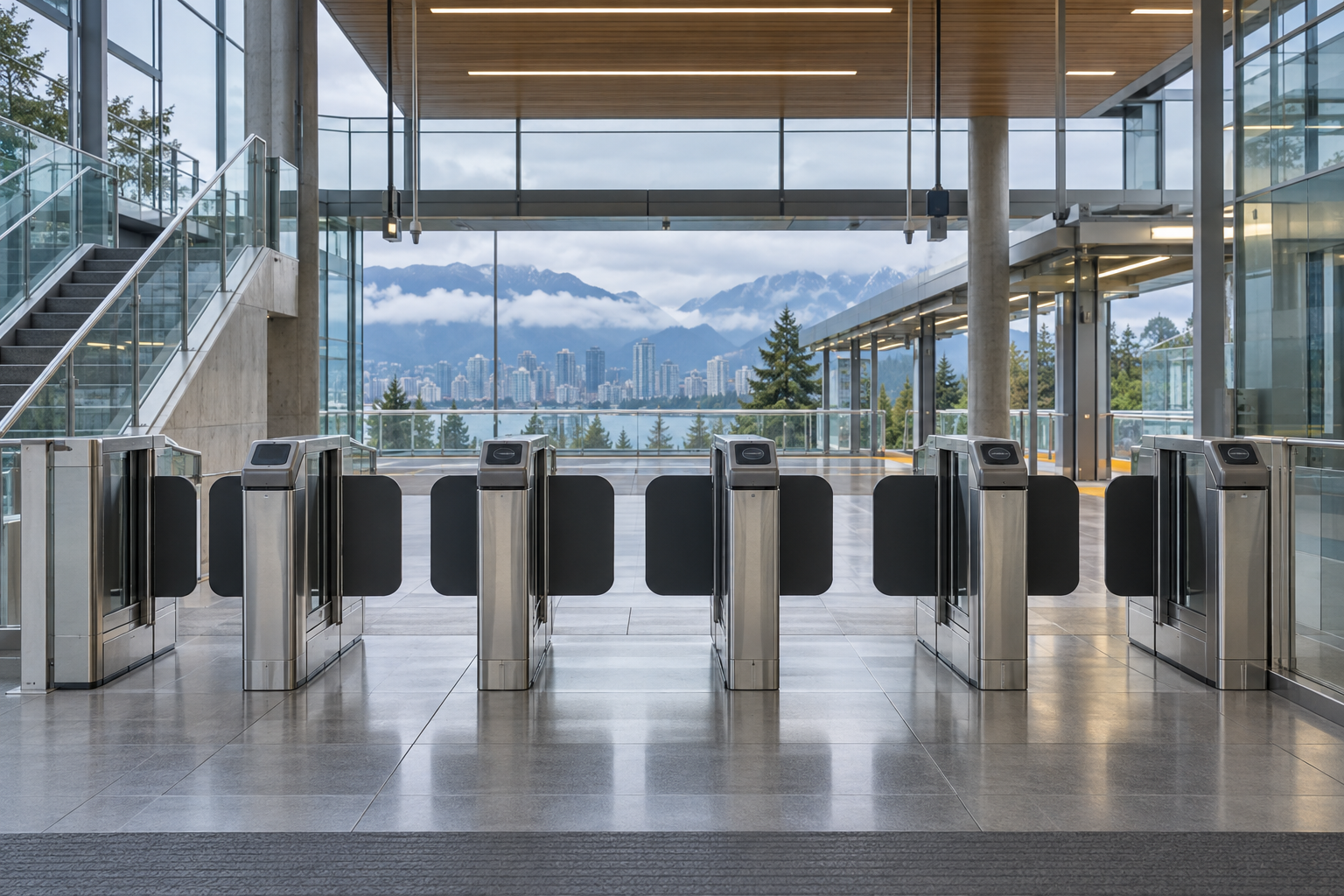
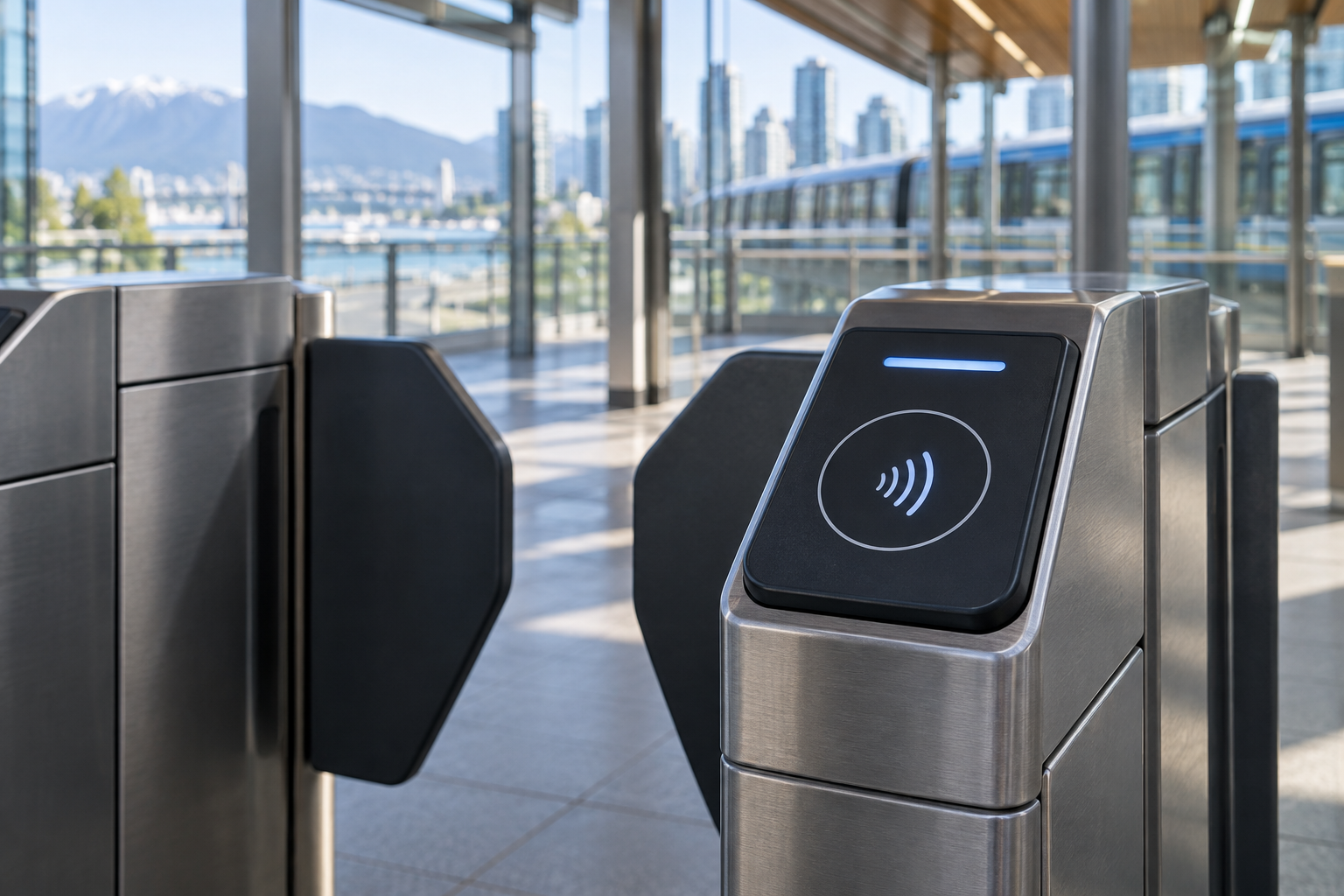
You can tap a contactless credit card, Interac Debit card, or mobile wallet directly on the reader at SkyTrain, SeaBus, and West Coast Express stations, and when boarding a bus. This is often the quickest choice for a short visit.
On rail and SeaBus, tap in at the start and tap out at the end. The system calculates the zones you travelled through. On a bus, tap when boarding; you do not tap out when leaving.
Keep using the exact same card or device. A physical credit card and the same card in your phone wallet may be treated as different payment methods, so switching midway can break the transfer connection.
When to buy a Compass Card
A Compass Card is a reloadable transit card. It requires a refundable $6 deposit and can hold stored value, a DayPass, or a monthly pass. It is the practical option if you prefer not to use your bank card at transit readers, want to load fares ahead of time, or will be in Metro Vancouver long enough to benefit from stored value fares.
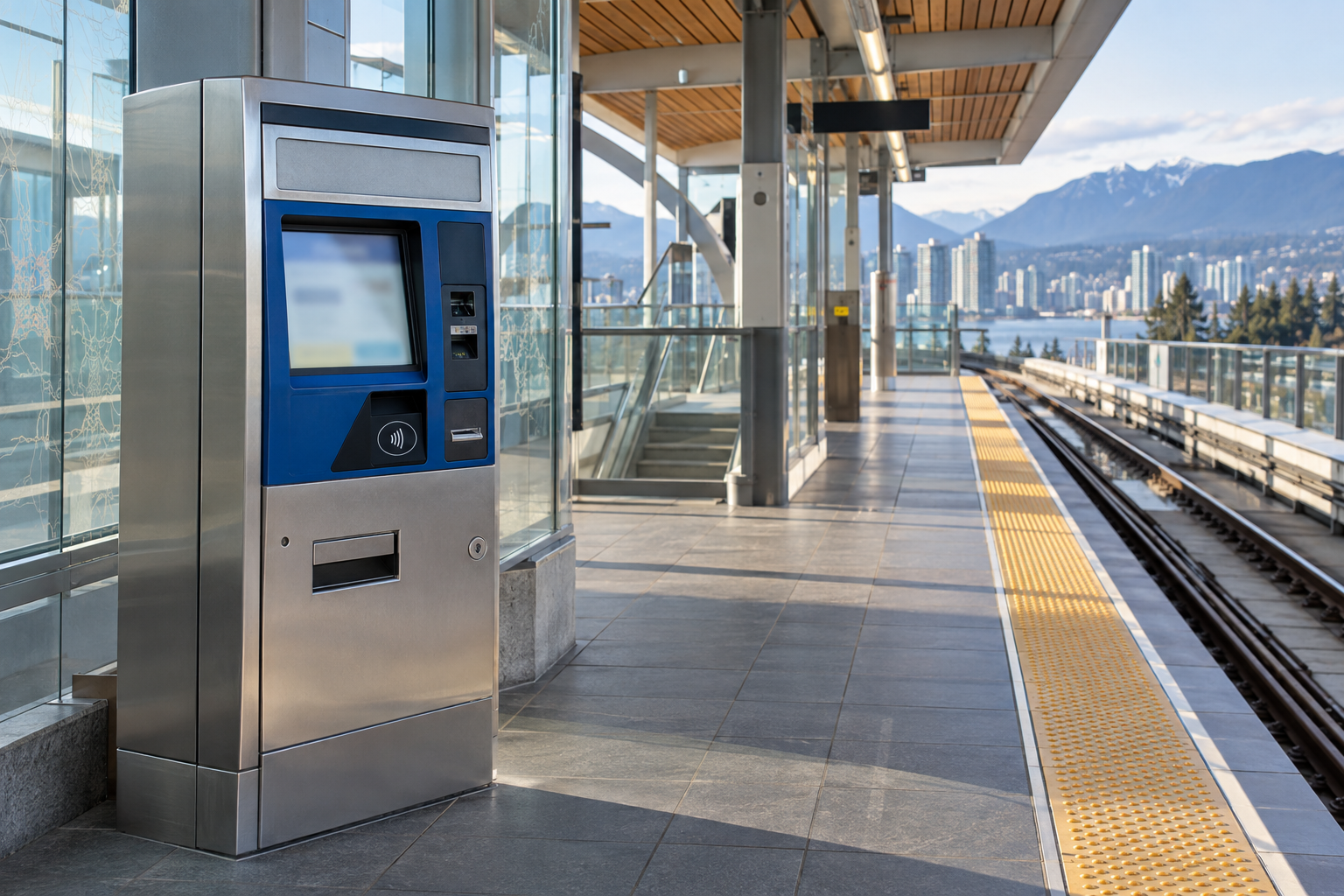
You can buy or load a Compass Card at a Compass Vending Machine in SkyTrain, SeaBus, and West Coast Express stations. Check the fare zones before buying a single-use Compass Ticket: tickets need to cover the zones of your planned rail or SeaBus journey.
How transfers work
With a Compass Card, Compass Ticket, or Tap to Pay, you can transfer between buses, SkyTrain, SeaBus, and HandyDART on one fare for up to 90 minutes. The clock starts with your first tap. West Coast Express trips have a 120-minute transfer window.
Transfers work best when you keep the same card, ticket, or phone wallet in use. If you buy a separate ticket or pay cash on a bus, you have started a new fare rather than continuing the first trip.
Fare zones, buses, and weekends
Buses are a one-zone fare all day, every day. SkyTrain and SeaBus fares can depend on how many zones you cross on weekdays before 6:30 p.m. After 6:30 p.m. on weekdays, all day on weekends, and on statutory holidays, travel is charged at the one-zone rate.
This is why a trip that looks longer on the map is not always more expensive. Check TransLink’s fare calculator when a route combines train or SeaBus travel with a longer distance.
Is a DayPass worth it?
An adult DayPass costs $12.55 as of September 2026 and covers all zones. It runs from the start of service on the day you first use it until 4 a.m. the next day. It is a good fit for a full sightseeing day that combines several rides, especially if you expect to cross zones.
If you are only making two short one-zone trips, pay as you go instead. The useful comparison is the day you actually have planned, not how much transit you hope to take.
Which option costs less?
Tap to Pay is convenient, but it charges the adult cash fare. A Compass Card using stored value can be the better value if you expect to use transit often enough for the difference to matter. It is not worth buying a Compass Card solely to save a small amount on one short ride, especially if you will have to pay the card deposit and then remember to return it.
For a short visit, the practical choice is usually simple: use Tap to Pay for a few rides, compare a DayPass for a full sightseeing day, and use a Compass Card when you expect several days of travel or prefer to keep transit spending separate from your bank card. Check the official fare table before deciding, because the break-even point changes when fares change.
Do not assume a series of Tap to Pay rides will be treated as a DayPass. If a DayPass suits your day, buy it before the first trip.
The YVR Airport AddFare
Trips leaving YVR Airport, Sea Island Centre, or Templeton toward Bridgeport or beyond include the regular transit fare plus a YVR Airport AddFare. The current AddFare is $6.50. It does not apply when travelling to the airport. There are exceptions: a DayPass or single-use Compass Ticket bought before reaching Sea Island is exempt; the AddFare applies when those products are bought at YVR, Sea Island Centre, or Templeton.
This is one reason it helps to tap with the same card from the airport onward: the fare system can apply the correct charge without a separate airport ticket.
Children, groups, and separate cards
Children aged 12 and under ride TransLink services free. Older riders need their own valid fare, even when everyone is travelling together. A parent cannot tap one Compass Card or bank card through a fare gate repeatedly to bring a group into the station. Give each paying rider a separate Compass Card, Compass Ticket, or contactless card or device before you reach the gate.
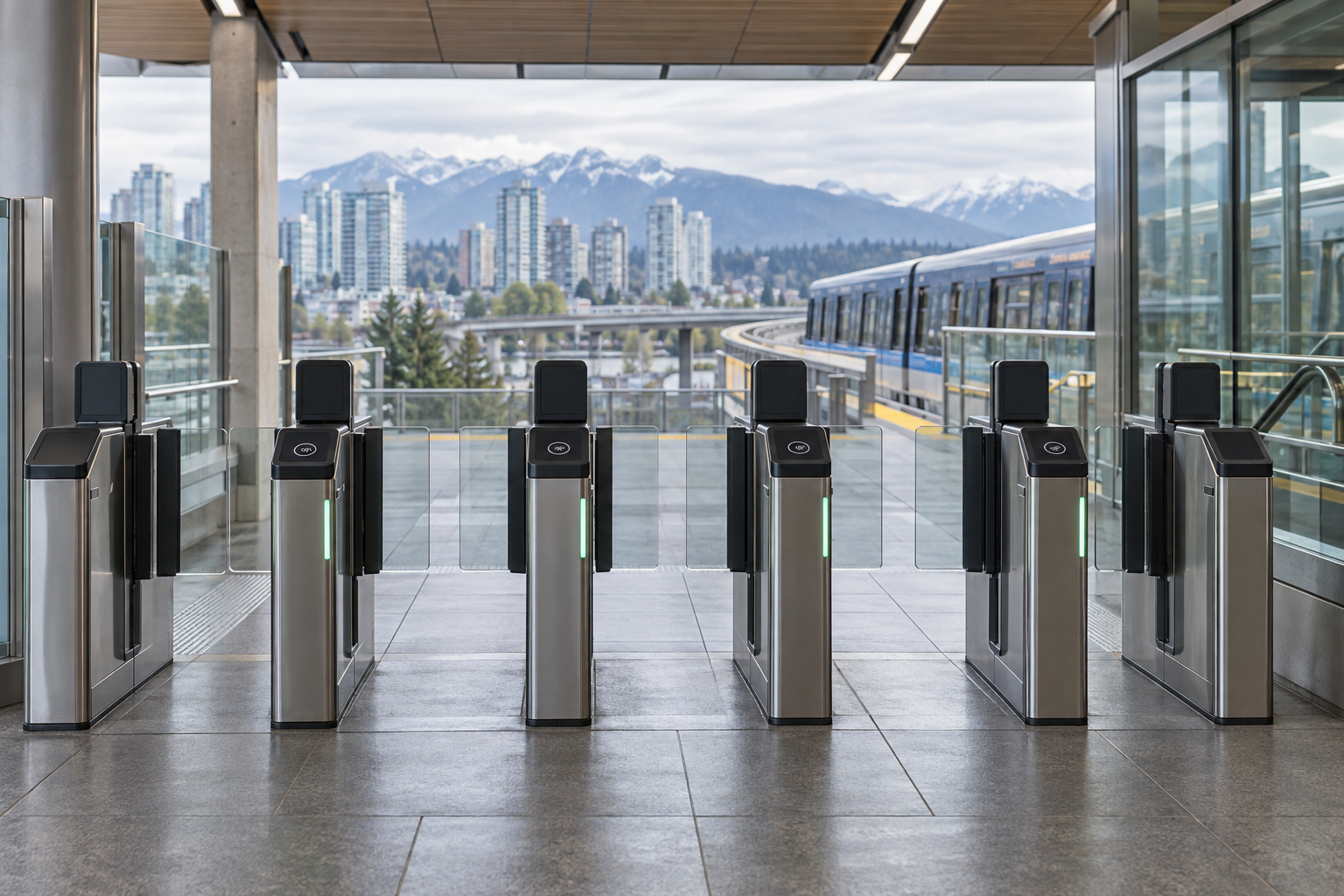
For a family that includes children who pay a concession fare, a Compass Card is often easier than relying on adult Tap to Pay. Set up the right fare product before the trip rather than trying to sort it out at a busy gate. If you are not sure which fare applies, use the current TransLink visitor guidance or ask at a station before travelling.
Common payment mistakes to avoid
The most common mistake is mixing payment methods. Tapping a physical bank card at one gate and the same card through a phone wallet at the next can look like two different travellers to the fare system. Pick one card, ticket, or device and keep it in the same easy-to-reach pocket for the whole connected trip.
The second mistake is forgetting to tap out after SkyTrain or SeaBus. The tap-out tells the system where the rail or ferry journey ended. If you are travelling with children or a group, decide who is going through the gate first and keep everyone close together before the gates open.
Cash still has a place for a one-off local bus ride, but it is rarely the simplest option for a visitor who expects to transfer. Exact cash does not create the same connected fare as Compass or contactless payment. If the day includes a train, ferry, airport arrival, or more than one vehicle, choose a reusable payment method before the first ride.
Three typical visitor scenarios
A weekend downtown stay
Tap to Pay is usually enough. Buses and off-peak rail travel are simple, and you do not need to buy a card just to make a few rides.
A full sightseeing day
Compare the DayPass with the rides you actually expect to take. It can make sense when the plan includes rail, SeaBus, and several longer hops; it is unnecessary if the day is mostly walking with one return bus.
An airport arrival followed by several days in the city
A contactless card keeps the first journey simple, while a Compass Card can be a better choice if you prefer to separate transit spending from your bank card or want to load fares in advance. Either is fine as long as you do not switch partway through a transfer.
What to do when something does not look right
Keep your card or phone with you until you have finished the trip, then check the transaction later rather than blocking a busy gate. If a gate will not open, use the station help point or ask an attendant. Do not tailgate through a gate or try to tap repeatedly in frustration; a quick request for help is easier and protects the rest of the journey.
Fare rules and prices can change, so use the official fare calculator for a trip that matters. This guide is for choosing the right payment method and avoiding avoidable mistakes, not for replacing the live fare information on the day.
When in doubt, keep the same card or phone in use and ask before you tap twice.
A note about tap-outs and a missed tap
On SkyTrain and SeaBus, always tap out at the end of the trip. That final tap tells the system where your rail or ferry journey ended and allows it to calculate the correct fare. Buses work differently: tap once when you board and do not tap out when you leave.
If you forget to tap out, do not try to fix it by tapping random readers after you have left the station. Check the transaction later and contact Compass customer service if the charge does not make sense. The same applies if a contactless card reader rejects your card. Use a different valid method for the trip if necessary, then sort out the payment question afterwards rather than attempting repeated taps at a crowded gate.
A quick checklist before you ride
- Choose one payment method for the whole trip.
- Tap in and out on rail and SeaBus; tap only when boarding a bus.
- Give each person in your group a separate card, ticket, or device.
- Check zone pricing if you are using SkyTrain or SeaBus during weekday daytime hours.
- Use TransLink Trip Planner for current service notices and fare information.
Official sources
- TransLink: pricing and fare zones
- TransLink: Compass Card
- TransLink: transferring and AddFare
- TransLink: visiting Vancouver
Last reviewed: September 14, 2026. Fares and service rules can change; confirm them before travelling.
Travel details change. YVRBlog aims to use official sources and show the review date above. If something has changed, please contact us.