Visit note: This guide includes original photos from a visit to Greater Vancouver Zoo. Animal visibility, programs, prices, parking, and services can change.
If you are planning a zoo day from Vancouver, Greater Vancouver Zoo is a realistic drive to Aldergrove, but it is not a quick SkyTrain-and-walk attraction. I found the visit easiest with a car, a little planning, and enough time to move between the larger habitats. This is my practical account of what I saw, what surprised me, and what I would check before going again.
Quick answer
- Best option from Vancouver: drive, car-share, or go with someone who has a car.
- Transit: use the TransLink Trip Planner; there is no direct SkyTrain or zoo entrance stop.
- Parking: I used the QR code posted in the parking area, checked in online, paid by credit card, and checked out online.
- Food: I remember having poutine and drinks. The on-site Oasis Kitchen is the practical place to check for the current menu and hours.
- Train: there is a small train tour inside the zoo grounds. The current official rate page lists it at $10 per rider, subject to change.
- Time: plan most of a day if you want to walk, stop at habitats, eat, and take the train.
Driving from Vancouver
The zoo is at 5048 264th Street, Aldergrove, BC V4W 1N7. From Highway 1, the official directions point visitors to Exit 73, then south on 264th Street for about 1.4 km. From Fraser Highway, the zoo is about 3.7 km north on 264th Street. Check the zoo’s hours, rates, and getting-here page before leaving, since road conditions and construction around Aldergrove can change.
From Vancouver, the drive is the part that determines whether this feels like an easy outing or a tiring one. I would leave extra time for the bridge and Highway 1, especially on a weekend. Car-share, a rental, or splitting the drive with friends makes the day much more comfortable than trying to force a complicated transit connection.
My parking experience: QR code, online check-in, and card payment
One detail that is easy to miss until you arrive: my parking process was handled from the parking area rather than at a traditional booth. I scanned the QR code posted near the parking spots, checked in online, paid with a credit card, and checked out online when leaving.
Look for the current instructions and make sure the licence plate or vehicle details are entered correctly. Keep your phone charged and take a screenshot of the confirmation. The official rate page currently lists parking at $8 per day.
Transit from Vancouver: possible, but plan it carefully
There is no direct SkyTrain service to the zoo entrance. Start with the TransLink Trip Planner and check the day-of schedule. Route 503 serves the Langley corridor, but it does not drop you directly at the zoo entrance; the final connection and walking distance need to be checked for your date and time.
For a transit day, allow more time than the driving estimate and confirm the return trip before you enter. A taxi or ride-hail for the last leg may be more practical than trying to make every connection after a full day on the paths.
What I actually saw in the animal areas
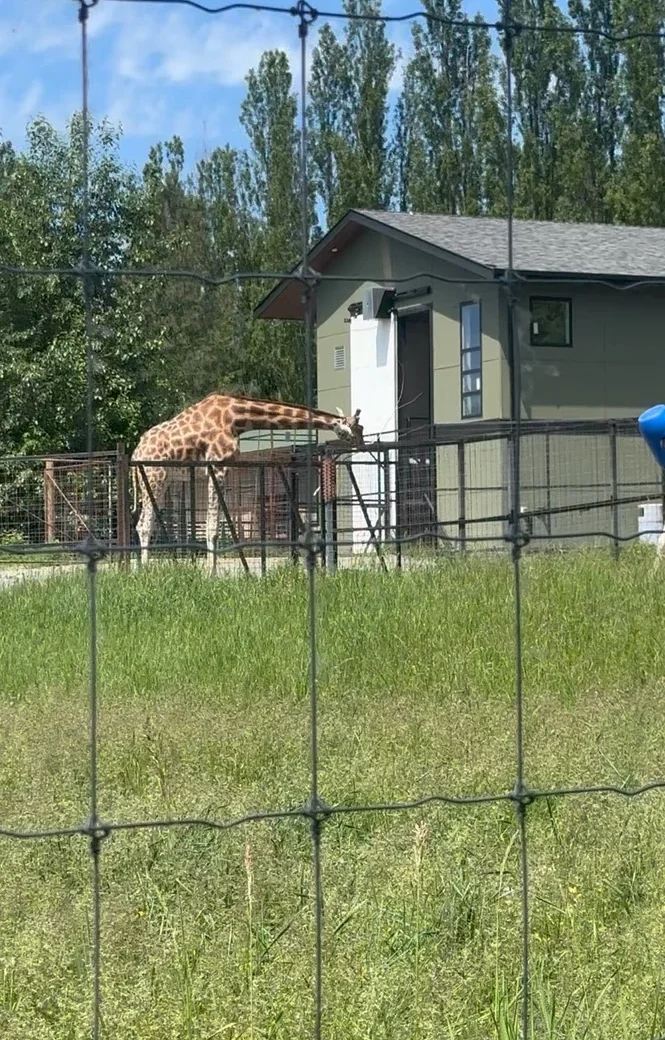
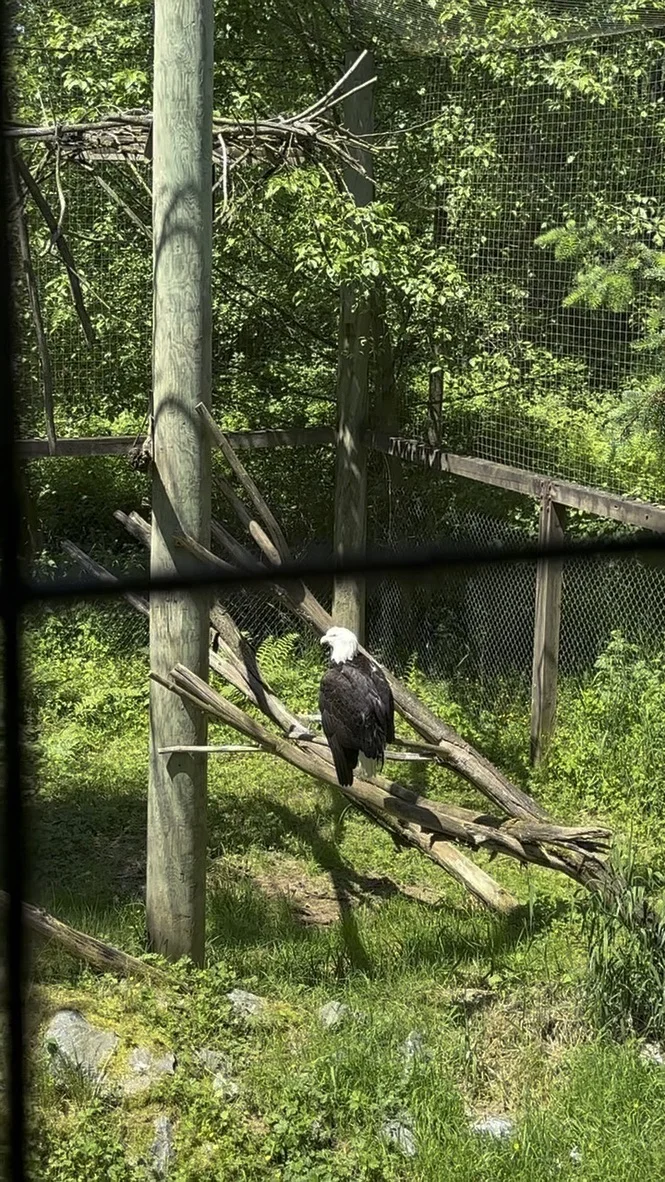
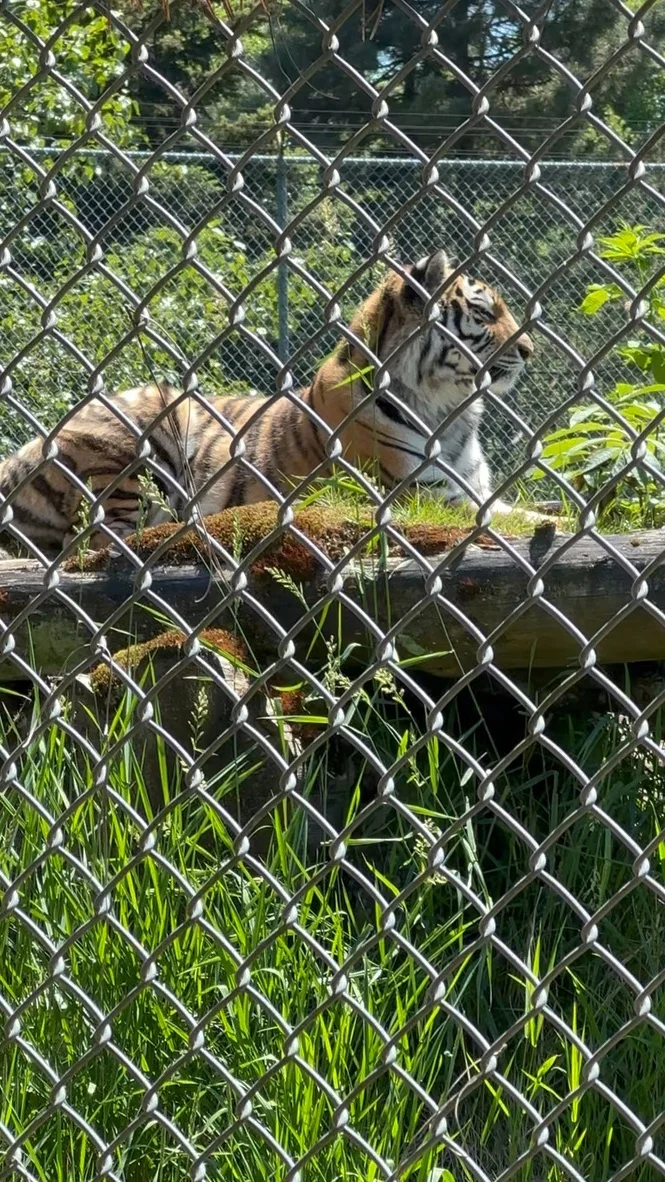
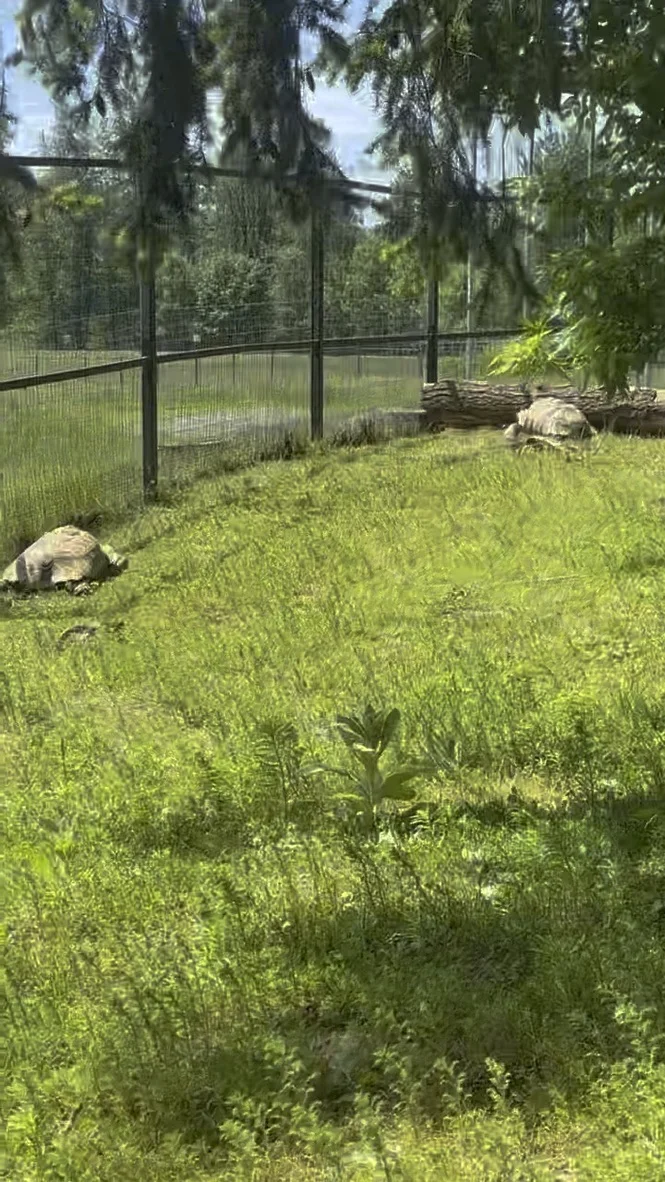
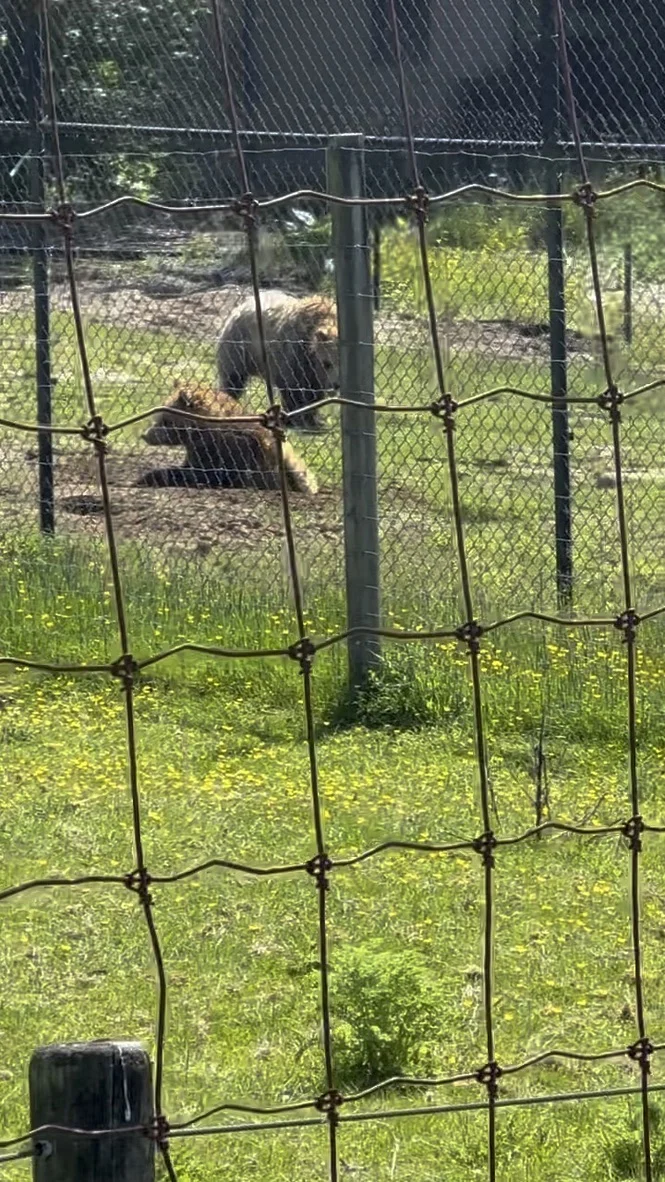
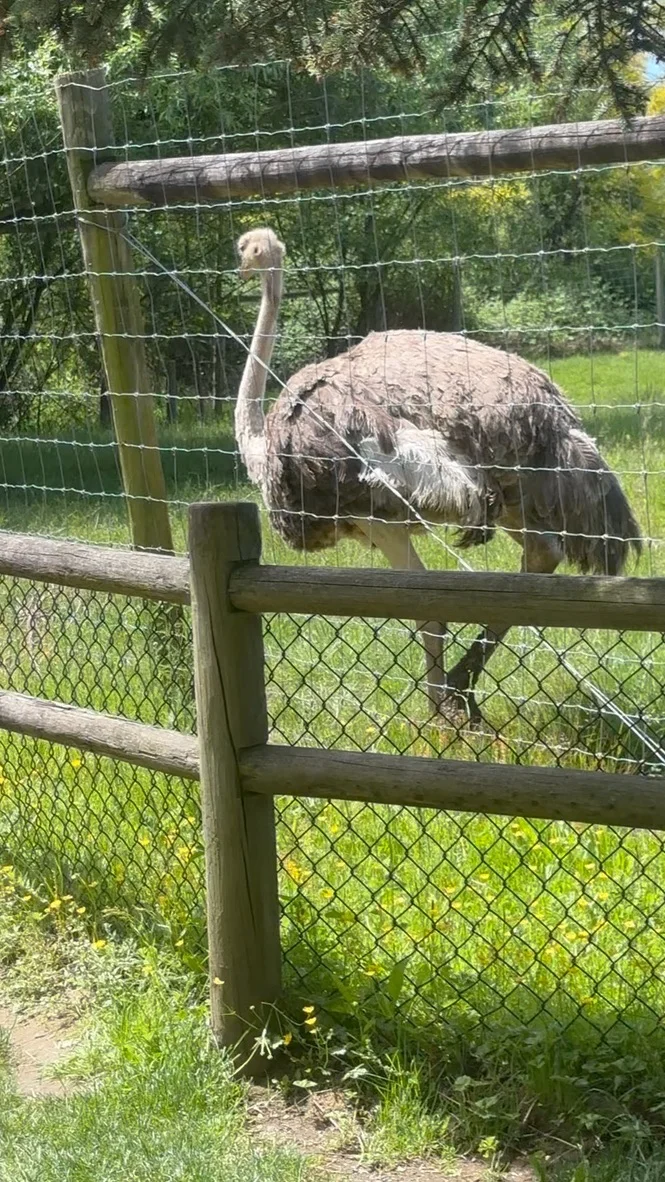
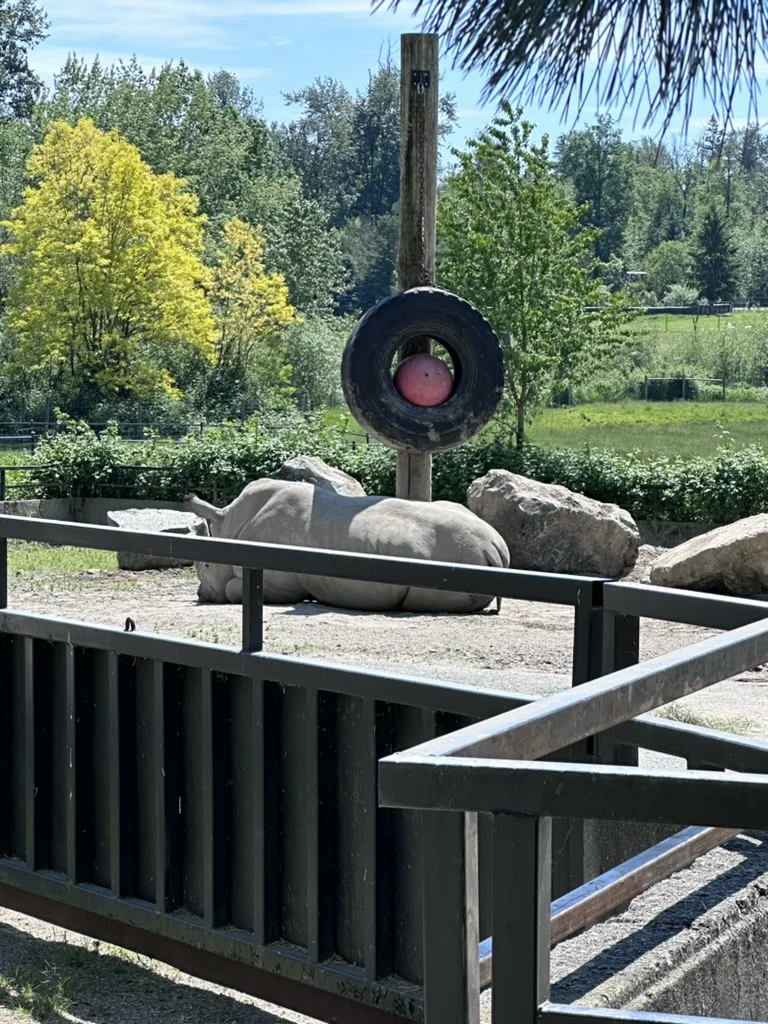
The photos in this guide are from my own visit. I saw tortoises, giraffes, ostriches, bears, a bald eagle, a rhinoceros, hippos, tigers, and other animals across the grounds. The official animal directory also lists species and groups such as addax, African spurred tortoise, alpaca, American elk, American flamingo, American white pelican, Ankole cattle, bighorn sheep, and bison.
My photos also show the reality of zoo viewing: sometimes an animal is close and easy to see, and sometimes it is farther back behind fencing, shade, grass, or water. I used my phone camera and zoom for some of the distant views. Visibility depends on the animal, weather, time of day, and where it chooses to rest. Do not plan your visit around seeing one particular animal in one exact spot.
What the photos show that a stock image does not
Several of my pictures include the fencing, railings, shade, and viewing distance instead of cropping them away. That is useful context if you are visiting with children or deciding whether to bring binoculars. The paths are a mix of paved walking areas and habitat-side viewing points. The official site describes about 3 km of paved, accessible paths across roughly 120 acres, but your actual route will depend on closures, programs, and how often you stop.
The small train tour inside the zoo
There is a small train tour inside the zoo grounds. It is a good break when you have already walked a lot, and it gives children a different way to see the property. The train is an add-on, not a replacement for walking the grounds; decide after you see the day’s schedule and how everyone is feeling.
The current official rates page lists the train at $10 per rider. Confirm the price and departure times when you arrive, since seasonal operations and weather can affect it.
Where to eat: my poutine-and-drinks memory
I remember stopping for poutine and drinks during the visit. The on-site option to look for is Oasis Kitchen. Officially published zoo event information has also shown familiar counter-service choices such as burgers, pizza, chicken strips, fries, onion rings, poutine, coffee, and seasonal drinks. That is a reasonable guide to the style of food, not the day’s actual menu, price, or hours.
Plan food around the animal route rather than assuming every stand will be open all day. Check the current menu and hours with Guest Services when you arrive. The zoo’s visitor information says outside food and drinks are not allowed except bottled water, so do not pack a full picnic without checking the current policy. If you need to leave for a meal, ask Guest Services whether same-day re-entry is available under the current rules.
Talks, walkthroughs, and animal programs
Programs add structure to a visit, though schedules shift day to day. The zoo’s Animal Spotlights, Wallaby Walkthrough, and other experience pages are the best places to check what is currently offered. Ask at the entrance for the day’s schedule and build around one or two talks rather than trying to catch everything.
How long should you stay?
I would plan a full morning and afternoon if you want to walk at an unhurried pace, watch animals for a few minutes, stop for food, and take the train. The official visitor page currently lists hours of 9 a.m. to 6 p.m., with last entry at 5 p.m. Arriving early gives you more flexibility and usually makes parking and the first few habitats feel calmer.
What to bring
- Comfortable shoes and water.
- Sun protection and a light layer for shaded areas.
- A charged phone for parking QR codes, tickets, maps, and photos.
- Binoculars if you prefer not to rely on phone zoom.
- Small snacks only if they fit the zoo’s current outside-food policy; bottled water is the safer assumption.
Current admission information
At the time of writing, the official rates page lists Adult admission at $38, Senior at $27, Student at $27, Child at $27, and children under two as free. Parking is listed at $8 per day and the train at $10 per rider. These figures can change, so use the zoo’s official hours and rates page for the final check before you buy tickets.
My practical recommendation
If you are coming from Vancouver, treat Greater Vancouver Zoo as a planned day trip rather than a quick stop. Drive if you can, use the QR-code parking instructions when you arrive, keep your phone charged, and ask about the train and food hours before you start walking. Expect real outdoor viewing conditions: animals may be close, hidden, resting, or behind multiple layers of fencing. That is part of the visit, and it is why the original photos in this guide show the setting as it really looked from the visitor paths.
For nearby planning, you may also want YVRBlog’s guides to Langley, day trips from Vancouver, getting around without a car, and family outings.
Travel details change. YVRBlog aims to use official sources and show the review date above. If something has changed, please contact us.