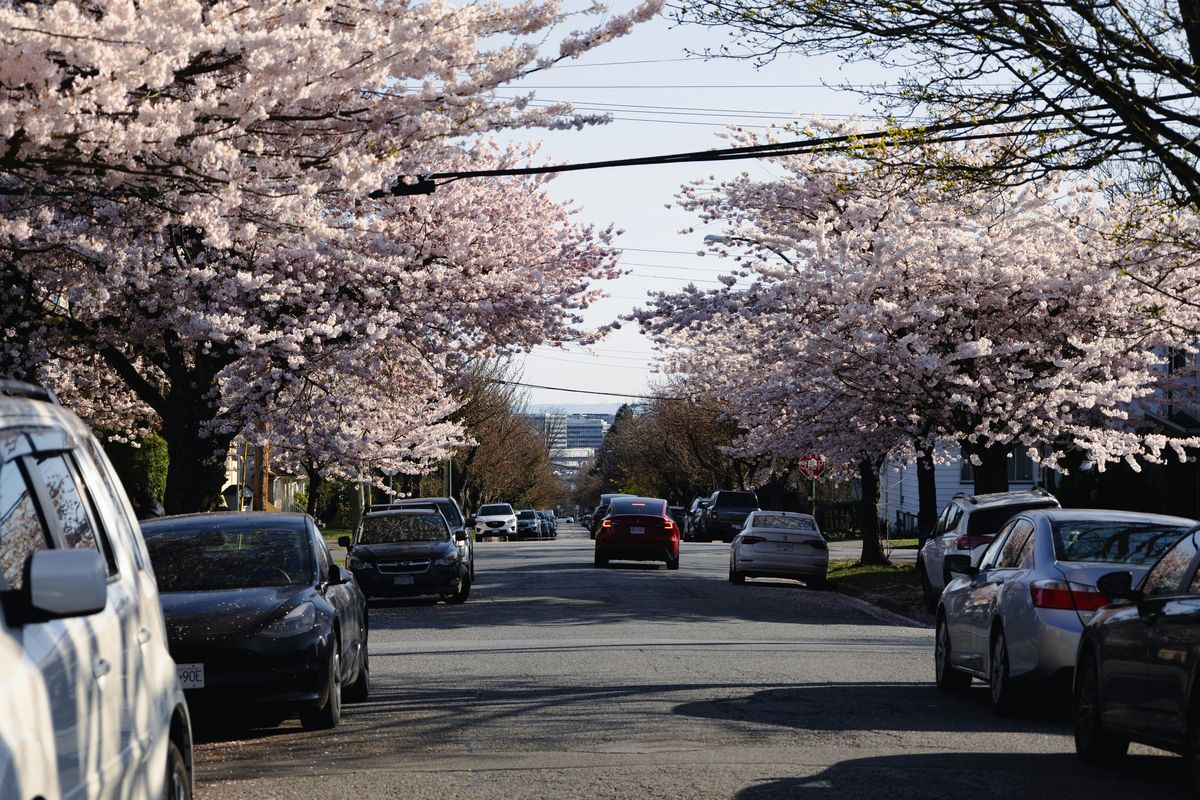
West Vancouver is the wealthiest municipality in Canada by median household income, a fact that is both relevant and overemphasized when people talk about it. What the wealth produces, practically, is exceptional public infrastructure — parks maintained to a high standard, a seawall that extends the whole waterfront, and a landscape that hasn’t been overdeveloped because people here can afford not to sell. For visitors, this is a gift.
The Seawall and Waterfront: The Best Walk in the Region
The West Vancouver Seawall runs from the Lions Gate Bridge western foot through Ambleside, Dundarave, and Fisherman’s Cove — roughly 13 kilometres of continuous waterfront walking and cycling path. The views across Burrard Inlet are among the best in the Lower Mainland: Vancouver’s skyline to the east, English Bay and Point Grey, the Gulf Islands to the west, and the Coast Mountains rising directly behind you.
The Ambleside section is the most active — a beach, a pier, a bandshell, and a park with open lawn and shade trees. It’s where West Vancouver residents actually come to walk their dogs, sit in the sun, and watch the freighters anchor in the outer harbour. On a weekday it’s calm; on summer weekends it’s pleasantly busy without being crowded.
Dundarave Beach is the next section west — similar character to Ambleside but with a slightly quieter feel and its own small commercial village above the seawall. The restaurants and cafés on Marine Drive in Dundarave are good and worth stopping at if you’re doing the full seawall walk.
Cypress Provincial Park
Cypress Provincial Park above West Vancouver has the best front-country access of the three North Shore ski areas. In winter, Cypress Mountain hosts alpine skiing and snowboarding (it hosted the 2010 Olympic freestyle skiing events). In summer, the park becomes a hiking destination — Howe Sound Crest Trail, Black Mountain Loop, and the Eagle Bluffs viewpoint trail are the main options.
Eagle Bluffs is the trail people mean when they talk about accessible Cypress hiking: about 7km return from the Cypress Bowl day lodge, with bluff views across Howe Sound that earn the effort. On a clear day you can see Vancouver Island. The trail is well-traveled and well-marked, suitable for reasonably fit hikers with proper footwear.
Horseshoe Bay: Ferry Terminal and Village
Horseshoe Bay at the western tip of West Vancouver is where BC Ferries runs to Langdale on the Sunshine Coast and Nanaimo on Vancouver Island. Even if you’re not catching a ferry, the village is worth knowing — it has a small commercial street, a waterfront park with inlet views, and a few reliable restaurants for fish and chips or a pre-ferry meal.
The bay itself has boat traffic from the ferries, the marina, and recreational vessels on summer weekends. It’s a visually active waterfront even when you’re just sitting in the park.
Whytecliff Park
Whytecliff Park, a few minutes west of Horseshoe Bay, is the Lower Mainland’s most accessible marine protected area. The rocky shoreline and kelp beds make it one of the top shore dive sites in BC — divers access the protected waters here year-round. Non-divers come for the coastal walk and the views of Howe Sound from the rocky bluffs. It’s a quiet park that the general public mostly doesn’t know about.
Eating in West Vancouver
The Ambleside and Dundarave commercial strips on Marine Drive have the best concentration of West Vancouver dining — independent restaurants that reflect the neighbourhood’s demographics and the quality people expect here. The Horseshoe Bay village has good fish and chips options specifically. Park Royal Shopping Centre at the east end of West Van has more chain options if that’s what you need.
Getting There
West Vancouver is not served by SkyTrain. The best transit option from Vancouver is bus 250 or 257 from Waterfront (express) or Georgia Street. These run along Marine Drive through Ambleside and Dundarave. The express 257 reaches Horseshoe Bay from downtown Vancouver in about 40 minutes. Driving is faster but parking at Ambleside on summer weekends is limited — buses work better for the waterfront section specifically.