Bear Creek Park's spray pad, the Surrey playground network, free family programming at recreation centres, and the South Surrey waterfront.
South of the Fraser River, Metro Vancouver gets quieter and the outdoor access gets better. Surrey, Delta, and White Rock sit within an hour by car from downtown Vancouver, and the free things to do across the three areas cover some of the most usable parks, trails, and waterfront in the region. None of these places get written about much compared to Stanley Park or the North Shore mountains.
What follows is worth doing for free, or close to it, across all three areas, whether you are planning a family day, a long walk, or an afternoon at the beach.
A few things are worth knowing before you go. Delta is the least transit-friendly of the three; most of the best spots there require a car or a willingness to bike from a bus stop. Surrey has the most transit coverage, with SkyTrain reaching City Centre and multiple bus routes into South Surrey. White Rock is reachable by transit but takes closer to 90 minutes from downtown Vancouver: SkyTrain to King George Station, then the 321 bus south. If you have a car, the three areas combine easily into a full day: Surrey in the morning, Boundary Bay or Ladner at midday, White Rock for late afternoon and the pier at dusk. Steveston in Richmond is also worth combining with a Delta stop if you are already this far south, around 20 minutes from Ladner.
Surrey: Bear Creek Park
Bear Creek Park in Surrey City Centre is the most complete free family park in the region. It has a spray park that runs through summer, a rose garden, a steam engine locomotive on display, and a large grassy area suitable for long, unstructured afternoons. The trail system through the park follows Bear Creek and stays shaded in summer — long enough to feel like a real outing but manageable for younger children. There is also a miniature railway on site (small separate fee) that has been running since 1992. Pack lunch and you have a full day without spending anything.
Bear Creek Park is reachable by transit from Surrey Central SkyTrain via connecting bus to the park. The spray park is seasonal, typically running from late May through Labour Day. The rose garden peaks in June and July. If you are combining it with other Surrey stops, it pairs well with a visit to the Museum of Surrey in Cloverdale, about 15 minutes east by car.
Surrey: Redwood Park
Redwood Park in South Surrey is one of the more unusual places in the Lower Mainland. In 1893, twin brothers Peter and David Brown, among Surrey’s earliest settling families, planted trees from around the world on their farmland. The result is a grove of mature Sierra Redwoods and other exotic species now listed on the Canadian Register of Historic Places, standing in the middle of a Metro Vancouver municipal park.
The park has accessible paths through the grove, picnic shelters, over 5 kilometres of trails, and a treehouse that has become a local landmark. Children who have not seen trees this size will remember it. Check the City of Surrey parks page for current treehouse access before going. Free, and unlike anything else nearby.
Surrey: Museum of Surrey in Cloverdale
The Museum of Surrey in Cloverdale is free to enter. It covers the region’s agricultural and Indigenous history with exhibits that include interactive elements suited to different ages. The content is specific to the region and does not feel like a generic municipal museum — not the kind of place families spend three minutes and leave.
Pair it with a walk through Cloverdale’s historic main street along 176 Street. The heritage storefronts and small-town street character contrast with the rest of Surrey, and the whole area is walkable. Older kids respond to the setting without prompting.
Surrey: Fraser River dyke trails
The dyke trails along the Fraser River are among the better free family walks in Metro Vancouver — flat, open, and manageable for younger children without any special gear.
Surrey Bend Regional Park has 4 kilometres of multi-use trails along the river and Parsons Channel. Views reach across to Richmond; herons, eagles, and seasonal salmon are realistic sightings from the riverbank. Elgin Heritage Park in South Surrey covers wetlands, the tidal Nicomekl River, and forested trails around the Historic Stewart Farm. The nature trail through the park runs over 3 kilometres and the wetland section is good for a slower walk with binoculars.
The Historic Stewart Farm at Elgin Heritage Park is a heritage site with period-furnished buildings open to the public on select days — check the City of Surrey website for current hours. The combination of the working farm buildings, the wetland trail, and the Nicomekl River estuary makes Elgin one of the more varied free parks in South Surrey, and it is consistently quieter than the main trailheads further north.
Surrey: Libraries and free drop-in programs
Surrey Libraries runs free drop-in programs for families across its branches — no registration required. Programs include Babytime for infants and caregivers, Toddler Storytime, and Family Storytime with DUPLO for all ages. Check surreylibraries.ca for the current schedule by branch and season, as programs rotate.
The Surrey Central Library at City Centre is the largest branch and is directly accessible from Surrey Central SkyTrain, which makes it one of the easier free rainy-day options in the region to reach without a car.
Delta: Boundary Bay Regional Park
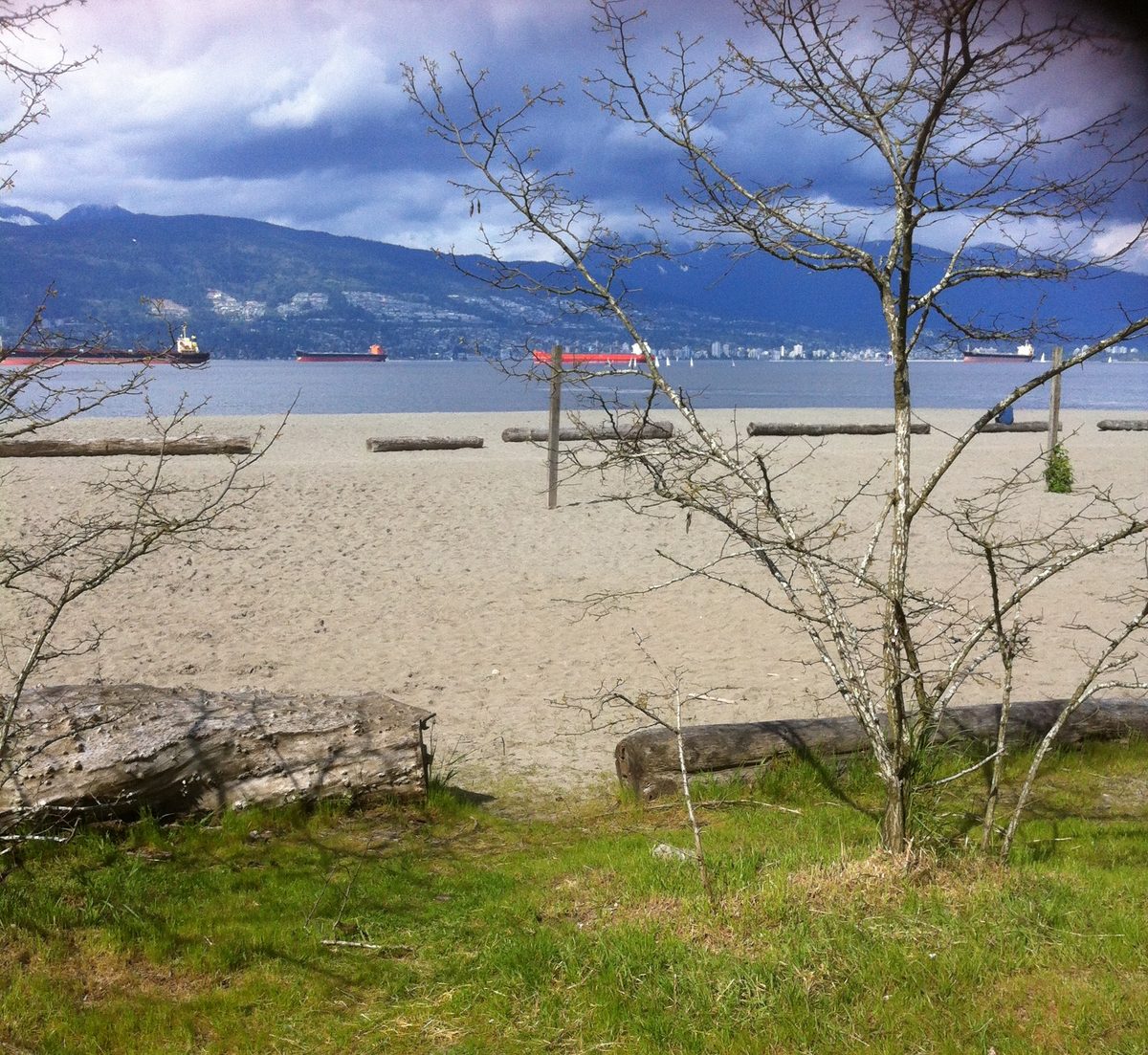
Boundary Bay Regional Park in South Delta is the Lower Mainland’s best beach walk if you do not mind that the beach is tidal flats rather than a sandy cove. At low tide, the mudflats extend hundreds of metres and support large numbers of shorebirds feeding along the water’s edge. At high tide the swimming is accessible and the beach narrows to a usable strip. The trail along the dyke above the beach runs for kilometres in both directions.
On a clear day with a low tide in September, with Semiahmoo Bay spread out and Mount Baker visible across the border, this is one of the better free outdoor spaces in Metro Vancouver. It is popular with birders and dog walkers and never crowded in the way beach parks closer to Vancouver get.
The birding at Boundary Bay runs on a clear seasonal calendar. Western sandpipers and dunlins concentrate on the flats in spring and fall migration — numbers in the hundreds of thousands during peak days in April and May. Raptors, including short-eared owls, hunt the dyke margins in winter. Summer has fewer shorebirds but the beach is more accessible for swimming and the dyke walk is pleasant in either direction. Bring rubber boots for the mudflat section at low tide in spring if you plan to walk out toward the water.
Delta: Ladner waterfront and dyke walk
Ladner is the heritage village core of Delta — a small, intact waterfront community on the south arm of the Fraser with a main street that still has character. The Ladner Harbour Park area and the dyke trails extending from it give you Fraser River access, views of the boat traffic, and a walk that stays interesting for a couple of hours.
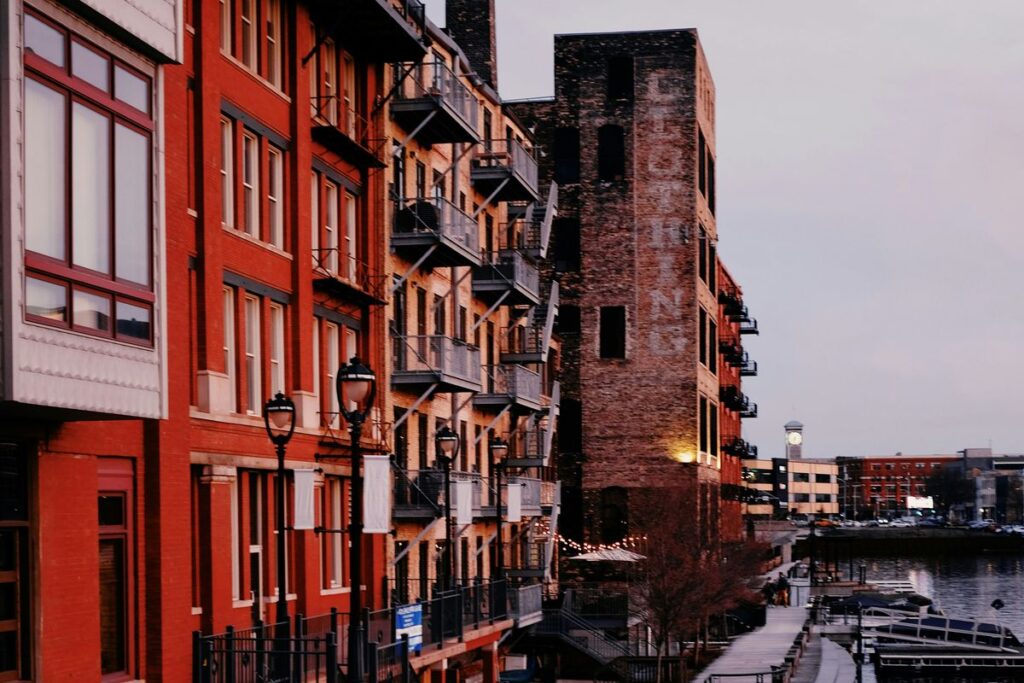
The Ladner Dyke Trail extends significantly in both directions from the village — east toward the Deas Island area or west toward Canoe Pass. The trail is flat, paved in sections, and generally quiet on weekdays. Herons are common along this stretch. The village has a few good cafes and a small farmers market on select Sundays in season; check the official market calendar before planning around it. The Metro Vancouver farmers markets guide lists the full seasonal circuit across the region.
Delta: Deas Island Regional Park
Deas Island Regional Park sits just south of the George Massey Tunnel on the south arm of the Fraser. The island has picnic areas, walking trails, and historical buildings from a 19th-century salmon cannery. Interior trails pass beaver dams and marsh habitat — short but wild-feeling for something 15 minutes from Richmond.
Access note: Multiple trails are closed from January 2026 through approximately 2030 due to the Highway 99 Tunnel replacement project, including sections of the Riverside Walk, Dyke Loop Trail, and Island Tip Trail. Check the Metro Vancouver Deas Island park page for current trail access before making the trip.
Delta: Reifel Bird Sanctuary
The George C. Reifel Migratory Bird Sanctuary on Westham Island charges a small admission but earns a mention because nothing else in Delta compares to it for a nature outing. Nearly 300 bird species have been recorded here, and during the snow goose migration in November and December the numbers are staggering. If birds are the reason you are coming to Delta, this is the place. The sanctuary also has tame chickadees that will land on an outstretched hand holding seed — a detail that matters more than it sounds if you are bringing children who have never experienced it.
White Rock: The pier and beach
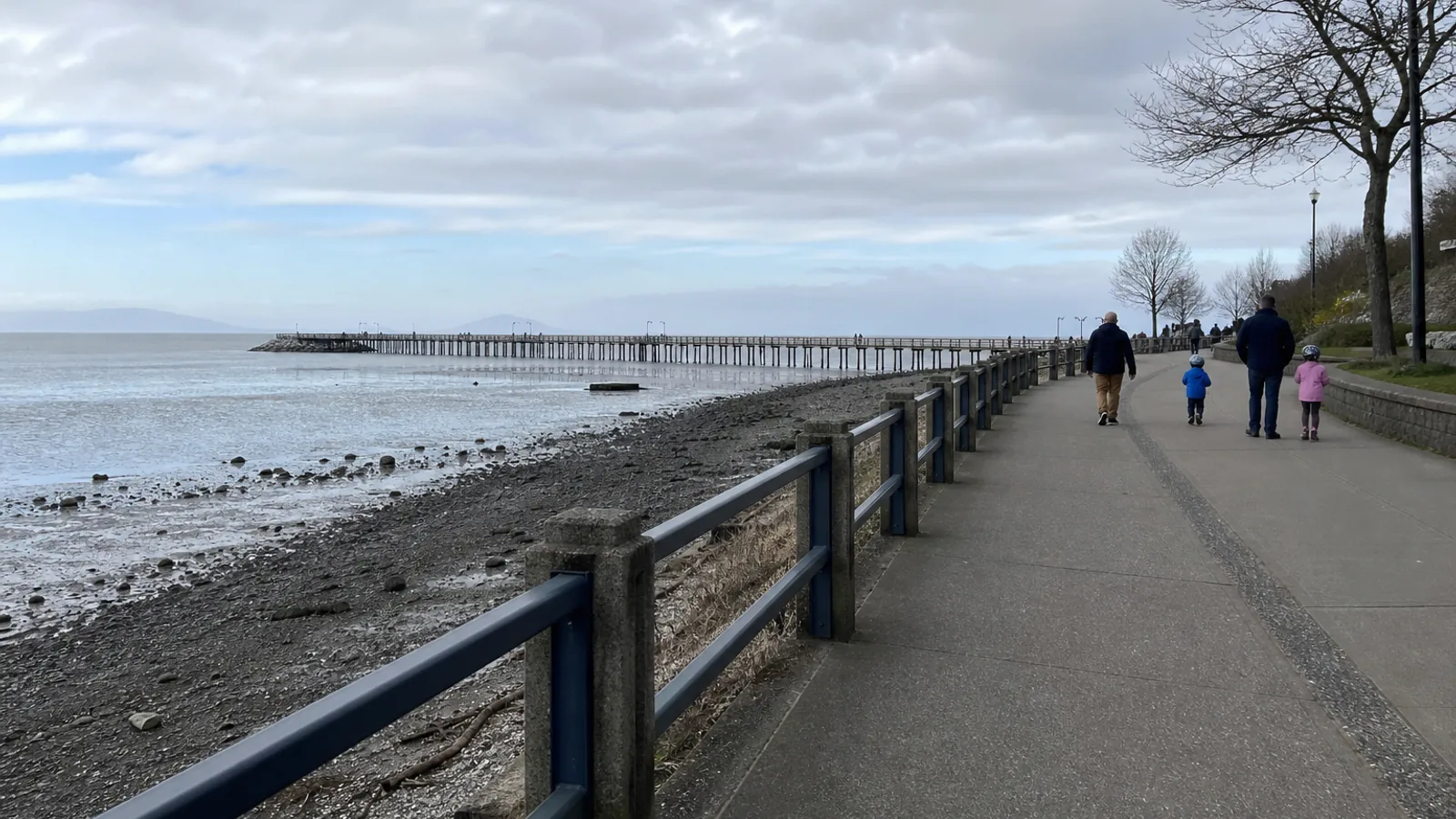
White Rock’s waterfront is the main reason people make the drive south. The White Rock Pier is one of the longest in BC at 470 metres, free to walk, and on clear days offers views to Mount Baker to the southeast, the Gulf Islands to the west, and the North Shore mountains around the horizon. Fishing is allowed from the pier; crab traps come off the end regularly in season.

The pier has been damaged and repaired multiple times. Check current status before making a trip specifically for the full-length walk — sections have been closed for repairs at various points. The base and mid-sections are usually accessible even when work is ongoing at the tip.
The White Rock itself, the actual painted boulder the city is named after, sits at the base of the pier and has been painted white for over 150 years, originally as a navigation marker. The beach around it is flat pebble and sand, and the water is shallow and warmer than most Lower Mainland beaches by late summer. It is swimmable on summer afternoons in a way that English Bay and Kitsilano are not always.
White Rock: Marine Drive promenade
Marine Drive runs along White Rock’s waterfront with restaurants and shops facing the beach. The walkway between the road and the beach is flat and paved, running the full waterfront strip — end to end in about 20 minutes, or longer if you walk the pier and double back. The promenade is busiest on summer weekends when White Rock becomes a day-trip destination for the southern Lower Mainland. Weekday mornings are noticeably calmer.
White Rock: eating on the waterfront
Marine Drive’s restaurants cover a range of prices. Fish and chips are the obvious and correct choice — several places do it well, and eating on the seawall with the pier in view is the essential White Rock experience. Budget for one meal if you are making the trip. The ice cream shops on the strip do brisk business from May through September. If budget is tight, bringing a packed lunch is the better plan — waterfront restaurants here price for the view.
White Rock: Museum and Archives
The White Rock Museum and Archives in the historic train station at the base of the pier is free to enter. The station dates to 1913, and the exhibits cover local history and the waterfront community’s development over more than a century, including the role of the railway in establishing White Rock as a summer destination for Lower Mainland families in the early 1900s. It takes about 30 to 45 minutes and works well as a rainy-day alternative to the beach walk.
Getting there
Surrey is the most transit-accessible of the three areas. Surrey Central SkyTrain covers City Centre and connects to bus routes for South Surrey. The 321 runs from King George Station to White Rock Centre, with local buses and walking to the waterfront from there. Delta is the least transit-friendly — Ladner is served by buses from Bridgeport SkyTrain, but Boundary Bay, Deas Island, and the dyke trails generally require a car. If you are renting a car for a south-of-Fraser day, combining Boundary Bay with Ladner and White Rock covers the three main areas comfortably. Drive time between them is under 30 minutes each.
For free and cheap activities across the full Metro Vancouver region beyond these areas, the Metro Vancouver free things guide has the broader list. For more on Surrey specifically — paid activities, food, neighbourhoods, and transit — the things to do in Surrey guide covers the rest of the city.
Travel details change. YVRBlog aims to use official sources and show the review date above. If something has changed, please contact us.